Journal
Tulse Hill Area Guide
Written by Julian Reyes · Licensed Real Estate Agent
Published 13 December 2025 · Updated 19 March 2026 · 3 min read
The short answer
Nestled in the London Borough of Lambeth, Tulse Hill occupies a distinctive position between Brixton, Herne Hill and West Norwood. Our Tulse Hill area guide explores why this characterful south London neighbourhood continues to attract families, professionals and investors seeking excellent value within Zone 2 and 3.
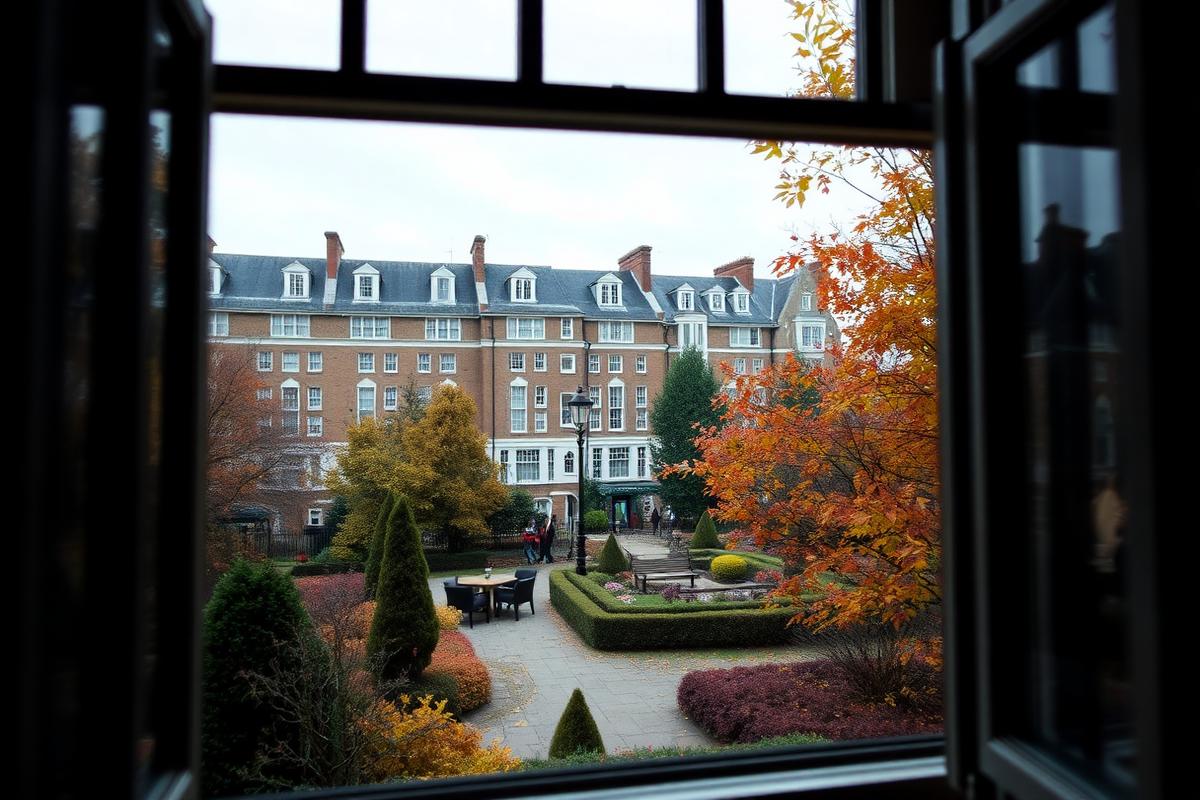
Nestled in the London Borough of Lambeth, Tulse Hill occupies a distinctive position between Brixton, Herne Hill and West Norwood. Our Tulse Hill area guide explores why this characterful south London neighbourhood continues to attract families, professionals and investors seeking excellent value within Zone 2 and 3. With its sweeping views across the capital, strong community spirit and Victorian architecture, Tulse Hill offers an appealing blend of urban convenience and residential calm that rewards closer inspection.
The Tulse Hill Property Market
According to HM Land Registry data, Tulse Hill recorded 283 property transactions with a median sale price of £635,000. The market demonstrates considerable variety, reflecting the area's diverse housing stock and broad appeal.
Flats dominate transactions with 155 sales at a median of £518,500, making them the primary entry point for first-time buyers and investors. Terraced houses commanded a median of £1,160,000 across 87 sales, whilst semi-detached properties achieved £1,433,851 over 24 transactions. The three detached house sales recorded a median of £2,075,000, underlining the premium attached to rare standalone homes in this well-connected location.
Those exploring <a href="/property-for-sale/tulse-hill">property for sale in Tulse Hill</a> will find Victorian and Edwardian conversions alongside purpose-built developments. The area's elevated topography means many homes benefit from exceptional views, a feature that consistently adds value. Our team observes sustained interest from buyers prioritising space, period features and proximity to outstanding schools.
Renting in Tulse Hill
Rental demand remains robust across all property types, with ONS data revealing monthly costs ranging from £1,000–£1,550 for studios through to £4,200–£6,550 for five-bedroom homes. One-bedroom flats typically rent between £1,325 and £2,050, whilst two-bedroom properties command £1,800–£2,800 monthly.
Families seeking three-bedroom homes can expect to pay £2,400–£3,750, with four-bedroom houses ranging from £3,200 to £4,975. These figures reflect Tulse Hill's position as a more affordable alternative to neighbouring Herne Hill and Dulwich, whilst maintaining excellent transport connections and amenities.
We regularly advise landlords that Tulse Hill's rental market benefits from its appeal to young professionals commuting to central London and families drawn by local primary schools. For those considering <a href="/let-your-property/tulse-hill">letting property in Tulse Hill</a>, tenant retention rates tend to be strong, particularly in well-maintained period conversions close to the station.
Transport and Connectivity
Tulse Hill station provides the neighbourhood's primary rail link, offering Thameslink services to Blackfriars (15 minutes), City Thameslink and St Pancras International, alongside Southern services to London Bridge and Victoria. This dual-route connectivity proves invaluable for commuters working across different parts of the capital.
Numerous bus routes traverse the area, including the 68, 196, 201, 315, 322 and 432, connecting Tulse Hill to Waterloo, King's Cross, Clapham and beyond. The A205 South Circular runs along the neighbourhood's western edge, providing road access across south London, though local residents generally favour public transport for central commutes.
Cyclists benefit from quieter residential streets and improving infrastructure, with Brockwell Park offering traffic-free routes towards Herne Hill and beyond. Our <a href="/estate-agents/tulse-hill">Tulse Hill estate agents</a> consistently hear that transport flexibility ranks among buyers' primary considerations when choosing the area.
Talk to Seymont
What's your home worth?
A considered view on price, timing and how to bring your London home to market — a personal reply within 24 hours.
Your property
Step 1 of 2Local Life and Amenities
Brockwell Park forms the jewel in Tulse Hill's crown, with its 125 acres of parkland, lido, BMX track and commanding hilltop views providing year-round recreation. The park hosts community events, weekend markets and serves as a natural gathering point for local families.
Upper Tulse Hill and Norwood Road offer independent cafés, convenience stores and essential services, whilst nearby Brixton and Herne Hill provide comprehensive shopping, dining and cultural attractions within easy reach. The area maintains a quieter, more residential character than its livelier neighbours, appealing to those seeking respite without isolation.
Education provision includes several well-regarded primary schools, contributing significantly to family interest in Tulse Hill property. The community spirit remains tangible, with residents' associations, street parties and local initiatives fostering genuine neighbourhood connections. Our team observes that buyers frequently cite this community atmosphere as a decisive factor, particularly those relocating from more transient inner-London postcodes.
Investment Perspective
Tulse Hill presents a compelling case for property investors seeking Zone 2/3 opportunities with growth potential. The substantial price differential compared to adjacent areas—particularly Herne Hill and Dulwich Village—suggests scope for capital appreciation as south London gentrification continues its gradual spread.
Rental yields benefit from strong tenant demand and relatively modest purchase prices for flats, whilst larger family homes attract stable, long-term occupants. The area's transport improvements and ongoing neighbourhood enhancements contribute to its increasingly positive reputation among buyers who might previously have overlooked this corner of Lambeth.
Those reviewing <a href="/house-prices/tulse-hill">house prices in Tulse Hill</a> will note that value remains demonstrably better than comparable properties mere streets away in premium neighbouring postcodes. We anticipate continued interest from discerning buyers recognising Tulse Hill's inherent strengths and unrealised potential within the broader south London landscape.
Talk to Seymont
What's your home worth?
A considered view on price, timing and how to bring your London home to market — a personal reply within 24 hours.
Your property
Step 1 of 2About the author
Julian ReyesLicensed Real Estate Agent
Julian has spent eleven years handling residential sales across west and central London, previously with the independent agencies Harlowe & Vance and Marchmont Row. He runs listings end to end, from pricing and presentation through to negotiating offers and holding chains together to completion. His writing focuses on the practical mechanics of buying and selling a home in a market where timing and preparation decide the outcome.
Licensed estate agent · 11 years in London residential sales
- Residential sales
- First-time buyers
- Offer negotiation
- Chain management
Frequently asked
- What is the average house price in Tulse Hill?
- According to HM Land Registry data, the median property price in Tulse Hill is £635,000. Flats sell at a median of £518,500, terraced houses at £1,160,000, and semi-detached properties at £1,433,851. Prices vary considerably depending on property type, condition and proximity to the station and Brockwell Park.
- Is Tulse Hill a good area to live?
- Tulse Hill offers excellent value for Zone 2/3 London living, with strong transport links, proximity to Brockwell Park, good local schools and a genuine community atmosphere. It appeals particularly to families and professionals seeking more space and affordability than neighbouring Herne Hill or Dulwich, whilst maintaining convenient access to central London.
- How much does it cost to rent in Tulse Hill?
- ONS data shows rental costs ranging from £1,000–£1,550 monthly for studios, £1,325–£2,050 for one-bedroom flats, and £1,800–£2,800 for two-bedroom properties. Three-bedroom homes typically cost £2,400–£3,750, with larger four and five-bedroom houses commanding £3,200–£6,550 per month depending on specification and location.
- What transport links does Tulse Hill have?
- Tulse Hill station provides Thameslink services to Blackfriars, City Thameslink and St Pancras International, plus Southern services to London Bridge and Victoria. Multiple bus routes serve the area, including the 68, 196, 201 and 322, connecting to Waterloo, King's Cross and surrounding neighbourhoods. The South Circular provides road access across south London.
- What are the best streets in Tulse Hill?
- The Tulse Hill guide highlights various desirable streets throughout the area, with properties closer to Brockwell Park and the station typically commanding premium prices. Victorian and Edwardian terraces on quieter residential roads prove particularly sought-after, especially those benefiting from the area's elevated position and panoramic London views.