Journal
Things to Do in Wimbledon: Your Complete Local Guide
Written by Nina Castellano · Investment Property Advisor
Published 25 May 2026 · Updated 15 June 2026 · 6 min read
The short answer
When we guide clients through Wimbledon, we're always struck by how this corner of southwest London balances international sporting prestige with genuine village character. Beyond the famous tennis championships, there are countless things to do in Wimbledon that make it one of the capital's most desirable residential areas.
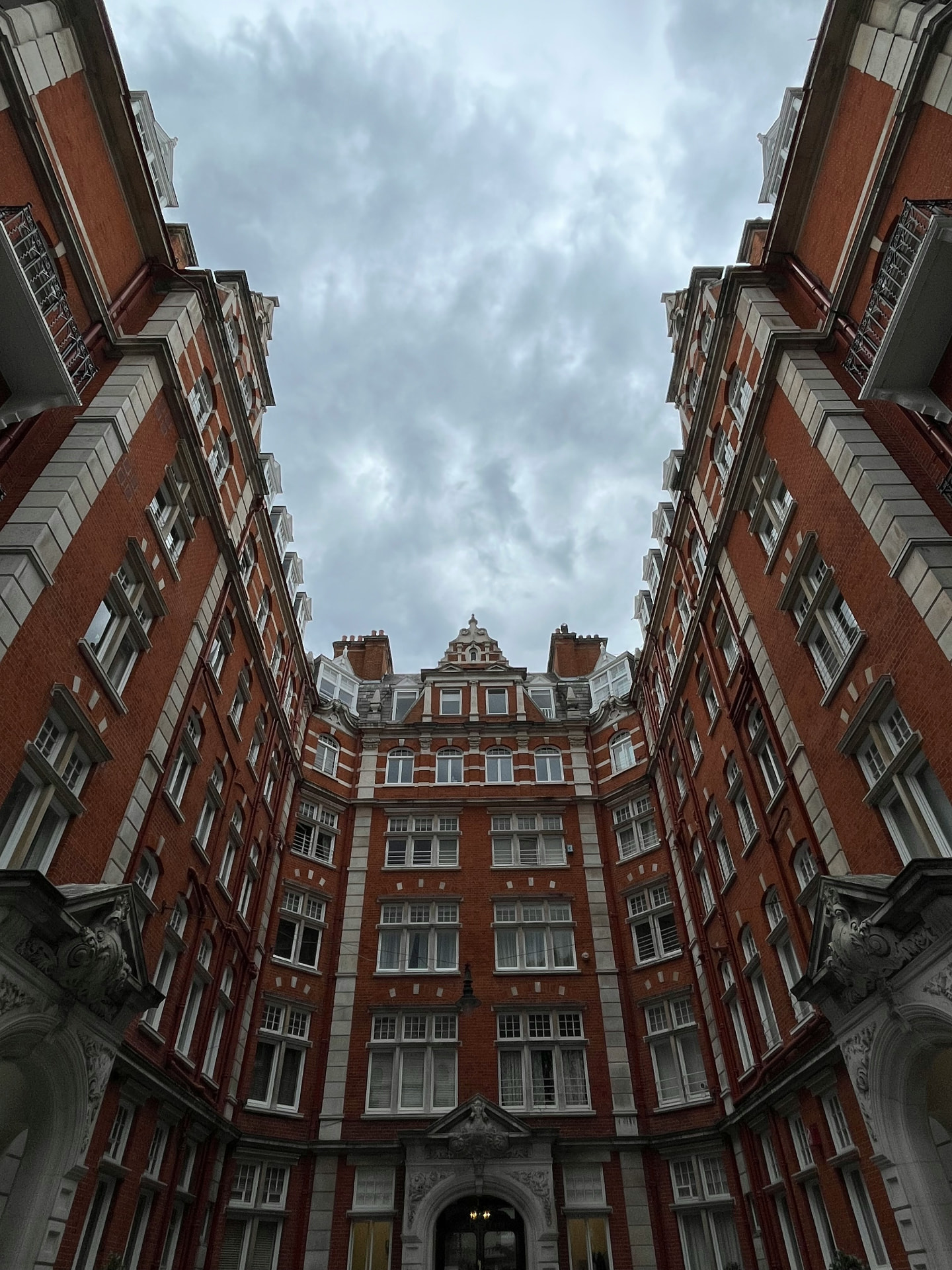
When we guide clients through Wimbledon, we're always struck by how this corner of southwest London balances international sporting prestige with genuine village character. Beyond the famous tennis championships, there are countless things to do in Wimbledon that make it one of the capital's most desirable residential areas. From the sweeping expanse of Wimbledon Common to the independent boutiques of the Village, the area offers a quality of life that draws families, professionals and retirees alike. Our team has compiled this comprehensive guide to help you discover what makes Wimbledon such a rewarding place to call home, whether you're considering a move here or simply exploring the neighbourhood.
Wimbledon Village: The Heart of Local Life
Wimbledon Village sits atop the hill, offering a distinct village atmosphere that feels worlds away from central London despite being just minutes by train. The High Street and its surrounding lanes are home to independent shops, boutique fashion stores, artisan delis and some of the area's finest dining establishments. We often recommend clients spend a Saturday morning here, browsing the farmers' market or stopping at one of the many cafes that line the streets.
The Village is also home to excellent educational facilities, with Wimbledon High School being one of the most sought-after independent schools in London, contributing to the area's strong appeal among families. According to HM Land Registry data, the median property price in Wimbledon stands at £555,000, with terraced houses achieving a median of £825,000 and detached properties commanding £3,150,000—figures that reflect the area's enduring popularity.
For those exploring property options, the Village offers everything from period conversions to substantial family homes. The tree-lined streets around Lingfield Road and Murray Road are particularly popular, combining proximity to Village amenities with the tranquillity of residential living. Our [Wimbledon estate agents](/estate-agents/wimbledon) can provide detailed guidance on the different micro-neighbourhoods within this sought-after pocket.
Wimbledon Common and Outdoor Wimbledon Attractions
Few areas of London can boast 1,140 acres of protected common land on their doorstep, but Wimbledon Common remains one of the area's greatest natural assets. This expansive green space offers woodland walks, horse-riding trails, golf courses and the famous Wimbledon Windmill, an 1817 landmark that now houses a museum dedicated to windmill history. We've lost count of the clients who cite the Common as their primary reason for moving to the area.
The Common seamlessly connects with Putney Heath and Putney Lower Common, creating an unbroken corridor of green space ideal for runners, cyclists and families. Wildlife thrives here—from Wimbledon Chase across to Queensmere and Kingsmere ponds, where herons and kingfishers can often be spotted. The area's ecological richness is protected by the Wimbledon and Putney Commons Conservators, ensuring these landscapes remain unspoilt for generations to come.
Cannizaro Park, adjacent to the Common, provides a more manicured outdoor experience with its formal gardens, ornamental ponds and stunning azalea and rhododendron displays in spring. The park's Italian Garden and sunken garden create perfect settings for a peaceful afternoon, whilst the Cannizaro House hotel offers afternoon tea with views across the grounds. These green spaces form an integral part of what to do in Wimbledon for nature enthusiasts and outdoor families.
The All England Club and Sporting Heritage
No Wimbledon weekend guide would be complete without acknowledging the area's most famous institution. The All England Lawn Tennis Club has hosted The Championships since 1877, and its presence permeates the local culture throughout the year, not just during the fortnight in late June and early July. The Wimbledon Lawn Tennis Museum offers year-round access to the sport's history, with interactive exhibits, championship trophies and behind-the-scenes tours of the grounds when play isn't in session.
Beyond tennis, Wimbledon supports an active sporting community. The neighbourhood boasts several gyms in Wimbledon, from boutique studios to comprehensive fitness centres, alongside rugby clubs, athletics tracks and swimming facilities. The New Wimbledon Theatre and Studio provide cultural counterpoints, hosting West End productions, comedy nights and live music throughout the year. This blend of sporting excellence and cultural programming enriches residential life considerably.
The sporting prestige contributes to property values and rental demand. ONS rental data shows studio apartments range from £875 to £1,350 monthly, whilst three-bedroom properties typically rent for between £2,075 and £3,250. For those considering investment or residence, our [Wimbledon property letting services](/let-your-property/wimbledon) can provide current market insights.
Talk to Seymont
What's your home worth?
A considered view on price, timing and how to bring your London home to market — a personal reply within 24 hours.
Your property
Step 1 of 2Dining, Shopping and South Wimbledon
Wimbledon's culinary scene has evolved considerably, with restaurants spanning everything from neighbourhood bistros to destination dining. The Village offers refined options including The Ivy Café and various independent establishments serving modern European, Asian fusion and contemporary British cuisine. Meanwhile, Wimbledon Broadway provides high-street shopping anchored by the Centre Court Shopping Centre, which underwent significant refurbishment to include improved retail and dining options.
South Wimbledon, accessed via the Northern line, presents a different character—more urban, with excellent transport links and a diverse community. Merton High Street and the surrounding area offer international grocers, casual eateries and increasingly popular residential streets. We've noticed growing interest in this pocket, particularly among professionals seeking better value whilst maintaining excellent connectivity to central London and the City.
For cafe culture enthusiasts, establishments throughout Wimbledon cater to every preference—from artisan coffee roasters in the Village to relaxed brunch spots near the station. The neighbourhood's independent spirit means you're rarely more than a few minutes from a quality cafe in Wimbledon, whether you're working remotely or meeting friends. This lifestyle infrastructure supports the area's appeal across demographics.
Transport Links and Practical Living
Wimbledon's transport connectivity is exceptional. The mainline station provides services to London Waterloo in just 17 minutes, whilst the District line offers direct access to South Kensington, Victoria and the City. The tramlink connects to Croydon and beyond, and numerous bus routes serve the area comprehensively. This multi-modal accessibility makes Wimbledon practical for commuters whilst retaining its village-suburb character.
The area's property market reflects this desirability. Recent HM Land Registry data records 346 sales with flats representing the largest segment at 194 transactions and a median price of £435,000, whilst semi-detached homes achieved a median of £1,255,000. For buyers exploring [properties for sale in Wimbledon](/property-for-sale/wimbledon), understanding these price dynamics across property types proves essential to making informed decisions.
Schools remain a major draw, with outstanding state primaries and secondaries complementing the independent sector. Proximity to both Richmond Park and central London creates a unique proposition—families can enjoy space and greenery without sacrificing cultural access or career opportunities. We regularly work with buyers relocating from more central postcodes who discover Wimbledon offers the lifestyle balance they've been seeking.
Living in Wimbledon: The Complete Picture
Understanding Wimbledon's appeal requires experiencing how all these elements combine. A typical weekend might involve a parkrun on the Common, brunch in the Village, afternoon shopping or a theatre visit, followed by dinner at a neighbourhood restaurant. The rhythm of life here balances activity with tranquillity, sophistication with approachability.
For those considering a move, it's worth examining the [detailed house price data for Wimbledon](/house-prices/wimbledon) to understand how different streets and property types perform. The market remains robust, with ONS figures showing rental demand across all bedroom counts—from studios through to five-bedroom homes commanding £3,650 to £5,700 monthly. This sustained demand reflects Wimbledon's enduring status as one of London's premier residential addresses.
We've guided countless households through their Wimbledon property journey, and the feedback remains consistent: residents appreciate the completeness of the area. Whether you prioritise outdoor space, educational excellence, cultural amenities or transport links, Wimbledon delivers without requiring compromise. That rare combination explains why families who move here so rarely leave, and why competition for quality homes remains consistently strong across all market conditions.
Talk to Seymont
What's your home worth?
A considered view on price, timing and how to bring your London home to market — a personal reply within 24 hours.
Your property
Step 1 of 2About the author
Nina CastellanoInvestment Property Advisor
Nina advises landlords and investors on rental yields, tenant demand and portfolio structure across Greater London, after running lettings and management at Bellhouse Property Partners. She has overseen single units and multi-property portfolios, and works through compliance, void periods and running costs before a purchase is agreed. Her articles deal with the numbers behind a buy-to-let rather than the headline gross yield.
Lettings and portfolio management · 9 years in London rentals
- Buy-to-let
- Rental yields
- Portfolio strategy
- Landlord compliance
Frequently asked
- What makes Wimbledon Village different from the rest of Wimbledon?
- Wimbledon Village sits atop the hill and offers a distinct village atmosphere with independent shops, boutique retailers, premium restaurants and cafes. It's notably quieter and more residential than Wimbledon town centre, with tree-lined streets, period properties and immediate access to Wimbledon Common. The Village commands premium property prices due to its character, village amenities and proximity to outstanding schools including Wimbledon High School.
- How long does it take to commute from Wimbledon to central London?
- Wimbledon mainline station reaches London Waterloo in approximately 17 minutes via South Western Railway services. The District line provides access to South Kensington in around 25 minutes and to Westminster in roughly 30 minutes. These excellent transport links make Wimbledon highly practical for professionals working in central London, the City or Canary Wharf whilst enjoying a village-suburb lifestyle.
- Can you visit the All England Club outside of the Championships?
- Yes, the Wimbledon Lawn Tennis Museum and guided tours of the All England Club grounds operate throughout the year, except during The Championships and preparation periods. The museum features interactive exhibits, historic memorabilia and championship trophies. Tours must be booked in advance and include access to Centre Court and other facilities, offering fascinating insights into the tournament's history and behind-the-scenes operations.
- What are typical property prices and rents in Wimbledon?
- According to HM Land Registry data, Wimbledon's median property price is £555,000, with flats at £435,000, terraced houses at £825,000, semi-detached homes at £1,255,000 and detached properties at £3,150,000. ONS rental data shows studios ranging from £875-£1,350 monthly, one-bedroom properties £1,150-£1,800, two-bedroom homes £1,575-£2,450, and three-bedroom houses £2,075-£3,250. Premium properties command higher figures, particularly in Wimbledon Village.
- Is Wimbledon Common safe for families and suitable for children?
- Wimbledon Common is extremely popular with families and considered very safe, though as with any large open space, supervision of young children is advised near water features and roads. The Common offers dedicated horse-riding trails, adventure playgrounds, woodland paths and open spaces perfect for family activities. The Windmill Museum provides educational interest, and the flat terrain near Queensmere makes it accessible for pushchairs and young cyclists. Thousands of local families use the Common daily for recreation.