Journal
Things to Do in Highgate
Written by Amara Bennett · Property Market Analyst
Published 24 February 2026 · Updated 3 July 2026 · 4 min read
The short answer
Perched on one of London's highest hills, Highgate offers a remarkable blend of Victorian grandeur, literary heritage and village charm that feels worlds away from central London. Whether you're considering one of the impressive [Highgate homes](/property-for-sale/highgate) or simply exploring for the day, knowing the best things to do in Highgate helps you appreciate why this area commands such enduring appeal.
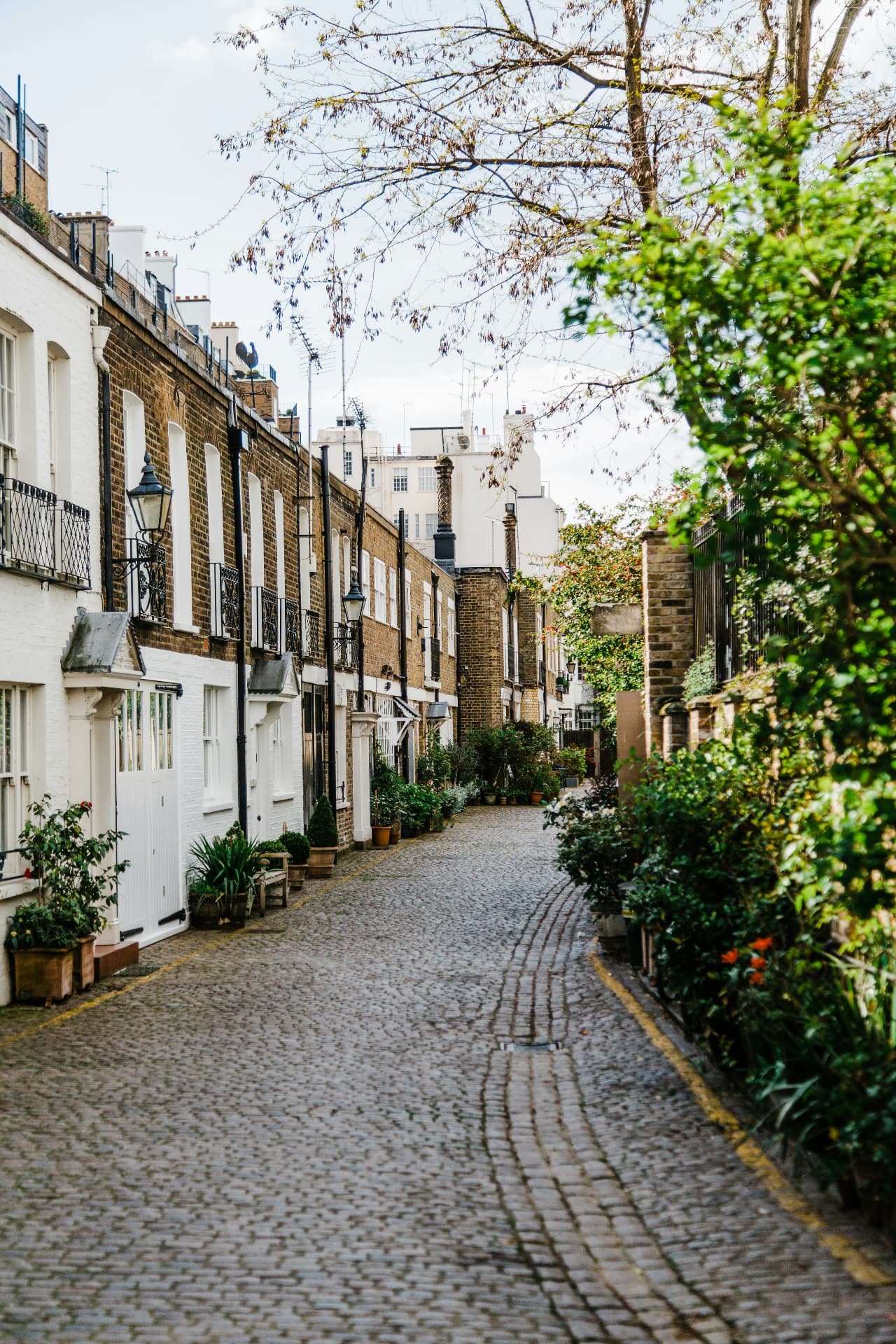
Perched on one of London's highest hills, Highgate offers a remarkable blend of Victorian grandeur, literary heritage and village charm that feels worlds away from central London. Whether you're considering one of the impressive [Highgate homes](/property-for-sale/highgate) or simply exploring for the day, knowing the best things to do in Highgate helps you appreciate why this area commands such enduring appeal. Our team has put together this guide to the neighbourhood's most compelling attractions, from its world-famous cemetery to hidden woodland walks that have inspired poets and artists for centuries.
Explore Highgate Cemetery and Its Gothic Splendour
No guide to Highgate attractions would be complete without Highgate Cemetery, one of London's most atmospheric Victorian burial grounds. The West Cemetery, accessible only by guided tour, is a Gothic wonderland of overgrown tombs, Egyptian-style mausoleums and the iconic Egyptian Avenue. The separately accessible East Cemetery houses Karl Marx's monumental tomb alongside those of George Eliot, Douglas Adams and many other notable figures.
The cemetery's 37 acres provide a hauntingly beautiful setting that transcends its function as a burial ground. It's become a sanctuary for wildlife, with foxes, woodland birds and ancient trees creating an unexpectedly peaceful retreat. Guided tours run throughout the week, offering fascinating insights into Victorian funeral culture and the stories behind the elaborate monuments.
Photography enthusiasts particularly appreciate the interplay of light through the canopy, though restrictions apply in certain areas. The Friends of Highgate Cemetery maintain this Grade I listed site with remarkable dedication, ensuring it remains one of London's most unique cultural attractions.
What to Do in Highgate Village: Shopping and Dining
Highgate Village retains an authentic village atmosphere despite sitting within London's N6 postcode. The high street along Highgate High Street and South Grove offers independent boutiques, antique shops and specialist food retailers that you won't find on typical London high streets. The village's bakeries, delicatessens and butchers maintain traditional standards that appeal to the discerning residents of this affluent area.
The dining scene reflects Highgate's sophisticated demographic, with gastropubs like The Bull offering seasonal British menus in historic settings. The Flask, a 17th-century coaching inn, serves traditional ales alongside excellent food in a building steeped in literary history – both Coleridge and Byron were regulars.
For weekend brunches, the cafés around Pond Square provide perfect people-watching opportunities. The area's independent character means you're far more likely to discover unique finds than chain offerings, making shopping here a pleasure rather than a chore.

Hampstead Heath from Highgate: Walks and Views
Highgate's eastern boundary opens onto Hampstead Heath, offering 790 acres of ancient woodland, meadows and swimming ponds. The Parliament Hill entrance provides one of London's most spectacular panoramic views across the city skyline – a vista protected by law and cherished by locals and visitors alike.
Walkers can follow the route from Highgate Village down through the ancient woodland of Ken Wood, past Kenwood House (home to a remarkable collection of Old Masters), and across to the heath's wilder sections. These walks have inspired everyone from Keats to contemporary authors, and it's easy to understand why when you're surrounded by centuries-old oaks and hornbeams.
The bathing ponds offer year-round wild swimming for the brave, whilst the heath's various sports facilities cater to tennis players, runners and those simply seeking open green space. This immediate access to such extensive parkland significantly influences [house prices in Highgate](/house-prices/highgate), with properties overlooking the heath commanding particular premiums.
Talk to Seymont
What's your home worth?
A considered view on price, timing and how to bring your London home to market — a personal reply within 24 hours.
Your property
Step 1 of 2Cultural Attractions and Literary Heritage
Highgate's cultural significance extends beyond its cemetery. The area has attracted writers, poets and intellectuals for centuries, creating a rich literary tapestry that continues today. Lauderdale House, a 16th-century waterside mansion, hosts arts events, exhibitions and concerts throughout the year in atmospheric historic rooms.
The Highgate Literary and Scientific Institution, founded in 1839, maintains an extensive library and hosts regular talks, lectures and cultural events. It represents the intellectual curiosity that has always characterised this community.
Waterlow Park, donated to the public by Sir Sydney Waterlow as 'a garden for the gardenless', provides beautifully landscaped grounds with ponds, an aviary and Lauderdale House at its heart. The park's three ponds create reflective spaces perfect for contemplation, whilst the lawns host community events during summer months.
Your Highgate Weekend Guide: Making the Most of the Area
A typical Highgate weekend might begin with Saturday morning coffee in the village, followed by a cemetery tour, then lunch at one of the gastropubs before an afternoon walk across the heath. Sundays often revolve around the farmers' market (when running), browsing the antique shops, or simply enjoying the slower pace that defines this corner of North London.
The area's cultural calendar includes seasonal events at Lauderdale House, outdoor theatre in Waterlow Park during summer, and Christmas festivities around Pond Square. These community-focused events contribute to the strong neighbourhood identity that makes Highgate feel genuinely village-like.
For those considering living here, understanding these rhythms matters. According to HM Land Registry data, the median property price in Highgate stands at £745,000, with detached houses reaching a median of £2.9 million. The premium reflects not just the Victorian and Edwardian architecture, but this exceptional quality of life. Our [estate agents in Highgate](/estate-agents/highgate) can provide detailed guidance on the various micro-neighbourhoods and their distinct characteristics.
Living in Highgate: Property and Community
The property market here reflects the area's desirability, with 336 sales recorded in recent data from HM Land Registry showing flats with a median price of £612,500 and terraced houses at £1,575,000. Rental demand remains consistently strong, with ONS data indicating two-bedroom properties ranging from £2,100 to £3,275 monthly.
What sets Highgate apart isn't just the bricks and mortar but the community itself. Independent schools, excellent transport links via Highgate and Archway stations, and that rare London commodity – genuine neighbourhood character – combine to create somewhere people choose to put down roots for decades.
Whether you're exploring things to do in Highgate as a visitor or considering [letting your property in Highgate](/let-your-property/highgate), this area offers something increasingly rare: a genuine village atmosphere with all of London's cultural riches on your doorstep. The balance between urban convenience and village tranquillity explains why Highgate has maintained its appeal across centuries.
Talk to Seymont
What's your home worth?
A considered view on price, timing and how to bring your London home to market — a personal reply within 24 hours.
Your property
Step 1 of 2About the author
Amara BennettProperty Market Analyst
Amara spent seven years as a market analyst at Kestrel Lane Research, a small London property consultancy, before joining our editorial desk. She reads sold-price and rental data street by street to explain how individual London postcode districts actually behave, and reviews every price figure we publish. Her focus is separating headline national averages from what a specific address is worth today.
MSc Real Estate Economics · Seven years in property market research
- Valuations
- Local market data
- Sold prices
- Pricing strategy
Frequently asked
- What is Highgate most famous for?
- Highgate is most famous for its Victorian cemetery, where notable figures including Karl Marx, George Eliot and Douglas Adams are buried. The Gothic West Cemetery, with its Egyptian Avenue and overgrown monuments, is considered one of London's most atmospheric historic sites. Beyond the cemetery, Highgate is renowned for its village character, literary heritage and stunning views across London from its elevated position on one of the capital's highest hills.
- Is Highgate Village worth visiting?
- Absolutely. Highgate Village offers a unique experience within London, combining independent shops, historic pubs, excellent restaurants and genuine village charm. The area surrounding Pond Square and along Highgate High Street maintains an authentic character you won't find in typical London neighbourhoods, with immediate access to Hampstead Heath and Waterlow Park providing exceptional green space.
- How expensive is it to live in Highgate?
- Highgate is one of London's more expensive areas. According to HM Land Registry data, the median property price is £745,000, with flats averaging £612,500 and detached houses reaching a median of £2.9 million. Rental properties range from approximately £1,525-£2,400 monthly for one-bedroom flats to £4,875-£7,625 for five-bedroom homes, according to ONS data. The premium reflects the area's exceptional character, village atmosphere and extensive green space.
- Can you walk on Hampstead Heath from Highgate?
- Yes, Hampstead Heath is directly accessible from Highgate's eastern edge. Residents and visitors can walk from Highgate Village through ancient woodland to reach the heath's 790 acres, including Parliament Hill's famous viewpoint, Kenwood House and the bathing ponds. This immediate access to such extensive parkland is one of Highgate's greatest assets and significantly contributes to the area's appeal.
- What's the best way to spend a day in Highgate?
- A perfect Highgate day typically includes a morning tour of Highgate Cemetery, lunch at a historic pub like The Flask, an afternoon exploring Waterlow Park and Lauderdale House, followed by a walk across Hampstead Heath to Parliament Hill for sunset views over London. Finish with dinner at one of the village's gastropubs or restaurants. Weekend visits might also include browsing the antique shops and independent boutiques along Highgate High Street.