Journal
Teddington Area Guide
Written by Nina Castellano · Investment Property Advisor
Published 2 June 2026 · Updated 23 July 2026 · 7 min read
The short answer
Nestled on a graceful curve of the Thames between Richmond and Kingston, Teddington combines riverside elegance with village intimacy. Our Teddington area guide explores why this historic suburb continues to captivate families, professionals and downsizers seeking a refined quality of life within easy reach of central London.
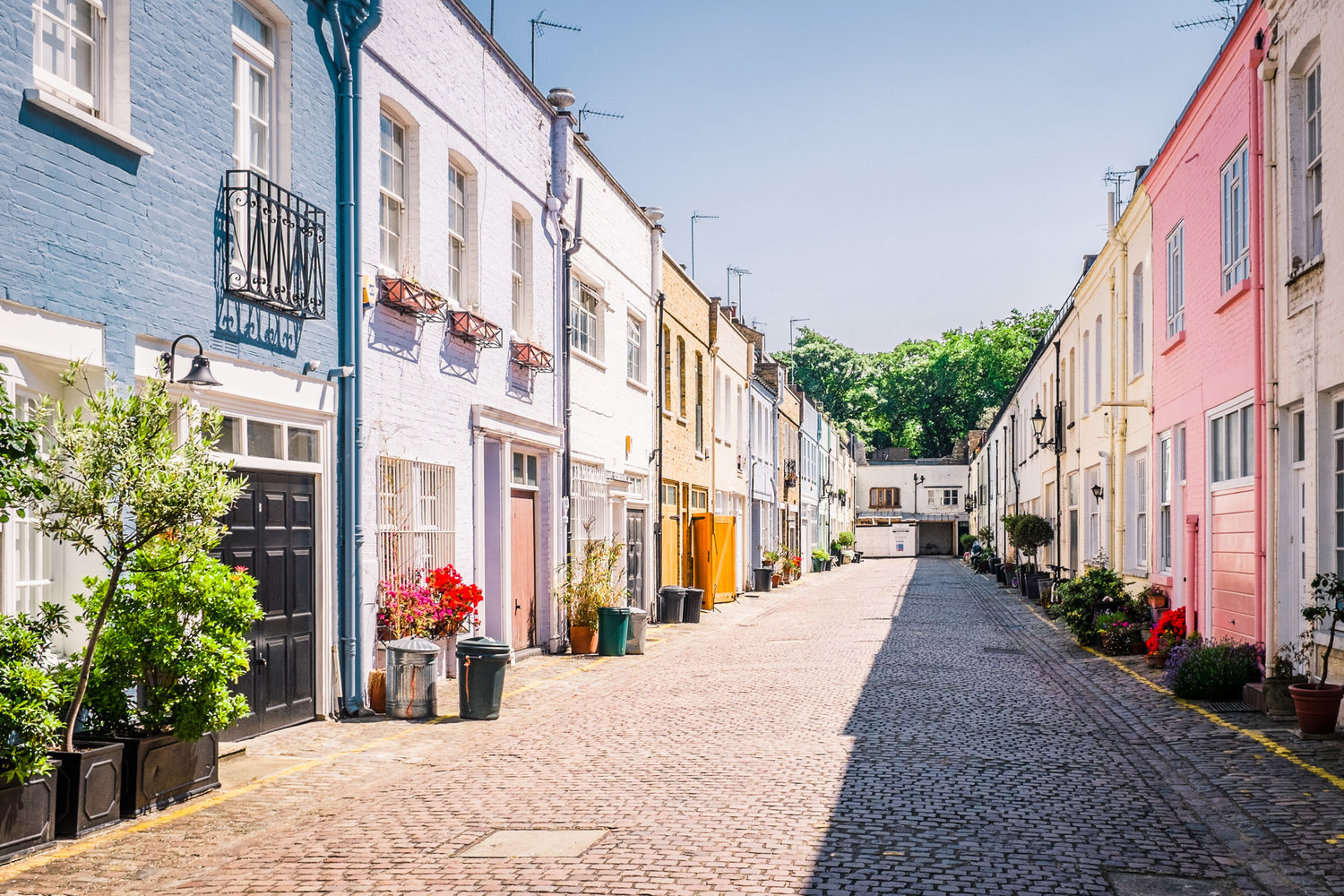
Nestled on a graceful curve of the Thames between Richmond and Kingston, Teddington combines riverside elegance with village intimacy. Our Teddington area guide explores why this historic suburb continues to captivate families, professionals and downsizers seeking a refined quality of life within easy reach of central London. With its tree-lined streets, independent shops, and genuinely thriving community spirit, Teddington offers something increasingly rare: a London postcode that feels like a true neighbourhood. From the lock that marks the tidal limit of the Thames to the Georgian and Victorian architecture that characterises its finest streets, Teddington rewards those who appreciate substance over showiness.
The Character of Teddington Streets
The architectural narrative of Teddington unfolds across distinct pockets, each with its own character. The roads radiating from Broad Street form the commercial heart, where handsome Victorian and Edwardian terraces sit above thriving independent retailers, coffee houses and gastropubs. These well-proportioned homes, many retaining original features such as cornicing and fireplaces, attract young professionals drawn to both period charm and transport links.
Venturing towards the river, the streets become more spacious and residential in feel. Here you'll discover substantial Edwardian and inter-war family homes set back from quiet, leafy roads. The area around the river itself—particularly approaching Teddington Lock—presents a mix of contemporary riverside apartments and older houses benefiting from exceptional Thames frontage. Hampton Wick, technically distinct but inseparable from Teddington's identity, offers attractive Victorian cottages and terraces in a particularly intimate, village-like setting.
Further west, the grid of streets between Park Road and the railway line reveals some of Teddington's most desirable family addresses. Wide pavements, generous front gardens and the proximity to Bushy Park create an almost garden-suburb atmosphere. The variety within Teddington's residential fabric means our team at [Seymont London](/estate-agents/teddington) regularly assists buyers with widely differing requirements, all of whom find their ideal property within TW11's boundaries.
The absence of high-rise development and the preservation of Victorian street patterns give Teddington a coherence that many London suburbs have lost. Planning restrictions and an active residents' association help maintain this character, ensuring new developments—when they do appear—respect the established grain of the neighbourhood.
Riverside Living and Green Spaces
The Thames forms more than a geographical boundary; it shapes daily life in Teddington. The riverside walk extends in both directions from Teddington Lock, offering residents a year-round amenity that combines recreation with genuine beauty. The lock itself, marking the point where the tidal Thames ends, attracts boaters, anglers and walkers throughout the seasons. On summer weekends, the lock island becomes a focal point for families, whilst the surrounding towpath provides joggers and cyclists with traffic-free routes towards Richmond and Kingston.
Bushy Park, the second-largest of London's Royal Parks, sits immediately adjacent to Teddington and functions almost as the neighbourhood's back garden. This extraordinary asset—complete with roaming deer, waterways, woodland and the magnificent Baroque Water Gardens—offers 1,100 acres of ancient parkland. Families use it daily for school runs, dog walks and weekend picnics; its presence fundamentally enhances the quality of life for those living nearby and influences property desirability across the area.
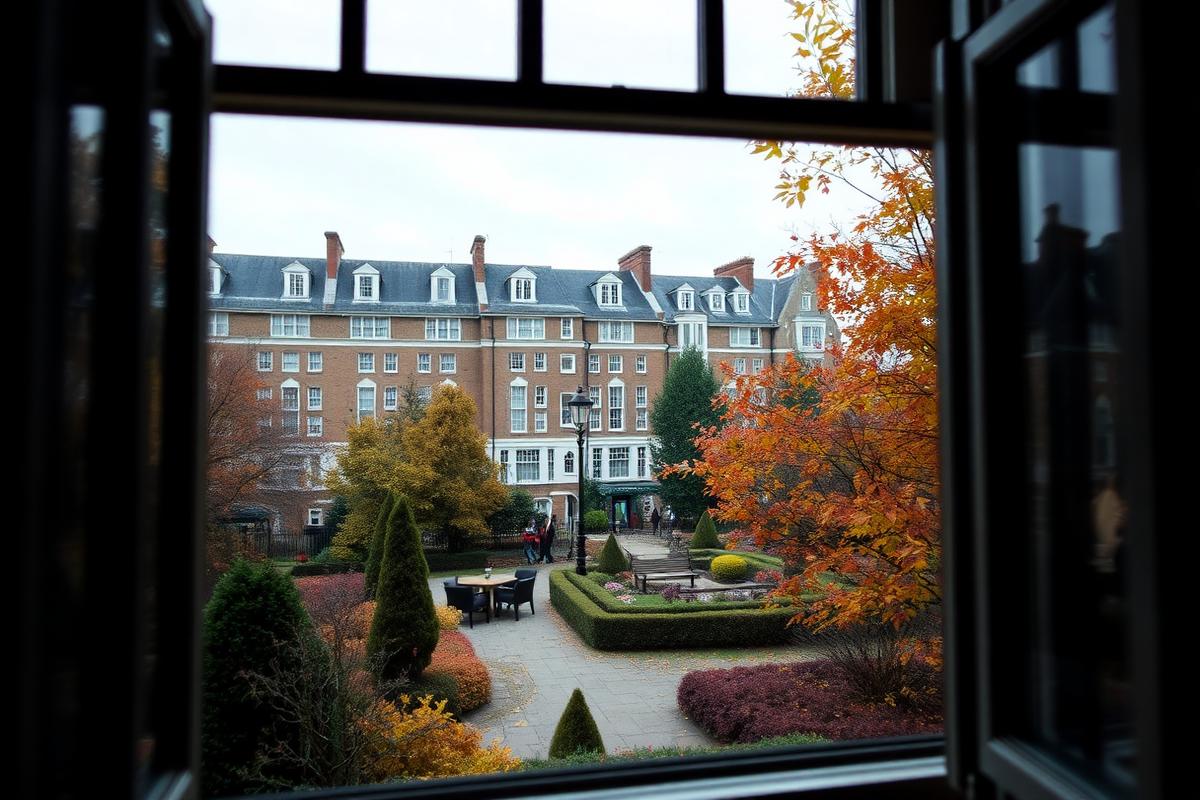
Beyond these headline attractions, Teddington contains numerous smaller green spaces woven into its residential fabric. Teddington Memorial Hospital Gardens provides a peaceful respite, whilst the sports grounds and playing fields scattered throughout support an active community. For those considering [property in Teddington](/property-for-sale/teddington), proximity to these green assets frequently ranks as a primary consideration.
The combination of riverside and parkland access positions Teddington favourably for those seeking outdoor space without sacrificing urban convenience—a balance increasingly valued in London's property market.
Schools, Community and Daily Life
Educational provision significantly influences Teddington's appeal to families. The area benefits from several highly regarded primary schools, including St Mary's and St Peter's C of E Primary, Stanley Primary, and Collis Primary, each with strong Ofsted ratings and active parent communities. Secondary provision includes The Teddington School, whilst nearby Richmond and Kingston expand the options available. Families moving to the area frequently cite school quality as a determining factor, and catchment areas inevitably affect [house prices in Teddington](/house-prices/teddington).
The High Street and Broad Street form a genuine town centre that serves daily needs without requiring trips elsewhere. Independent butchers, fishmongers, delis and greengrocers sit alongside national chains, creating a shopping environment that balances convenience with character. The twice-weekly Farmers' Market reinforces Teddington's village atmosphere, whilst the concentration of cafés and restaurants supports a sociable street life often missing in more suburban locations.
Cultural amenities include the Landmark Arts Centre, housed in a stunning Gothic Revival building, which presents theatre, music and exhibitions throughout the year. Several excellent gastropubs—including The Anglers and The Kings Head—provide dining options that draw visitors from across southwest London. The annual Teddington Cheese and Chilli Festival and Christmas lights switch-on demonstrate an active community calendar that extends beyond the merely functional.
This combination of schools, shops, and genuine community engagement creates an environment where residents put down roots. We observe lower turnover rates in Teddington compared to more transient London areas, with families often staying through their children's school years and beyond.
Talk to Seymont
What's your home worth?
A considered view on price, timing and how to bring your London home to market — a personal reply within 24 hours.
Your property
Step 1 of 2Transport Links and Connectivity
Teddington Station provides regular South Western Railway services to London Waterloo, with journey times of approximately 35 minutes during peak hours. This direct connection to central London makes the area viable for commuters, though the service runs from a single platform and lacks the frequency of some neighbouring stations. Hampton Wick station offers an alternative with similar services, whilst Kingston—just ten minutes by bus—provides significantly more frequent trains and access to faster routes.
Bus services prove particularly strong, with routes connecting to Richmond, Kingston, Hammersmith and Wimbledon. The 281, 285, 33 and R68 buses provide comprehensive coverage, and for those working in southwest London rather than the City or West End, bus connectivity often proves more relevant than rail. Several routes run throughout the night, maintaining links when trains have ceased.
Road access suits those who drive, with the A316 providing a direct route into central London or westward to the M3. The proximity to the M25 (junction 12) facilitates journeys to Heathrow and beyond, whilst Richmond Park's perimeter roads offer scenic alternatives to the South Circular. Parking remains more manageable than in inner London, with most houses retaining off-street spaces and Controlled Parking Zones limited to areas immediately around the station.
For those considering [letting property in Teddington](/let-your-property/teddington), these transport links significantly influence rental demand. Tenants frequently prioritise the balance Teddington offers: genuine connectivity without the intensity and expense of zones 1 or 2.
The Teddington Property Market
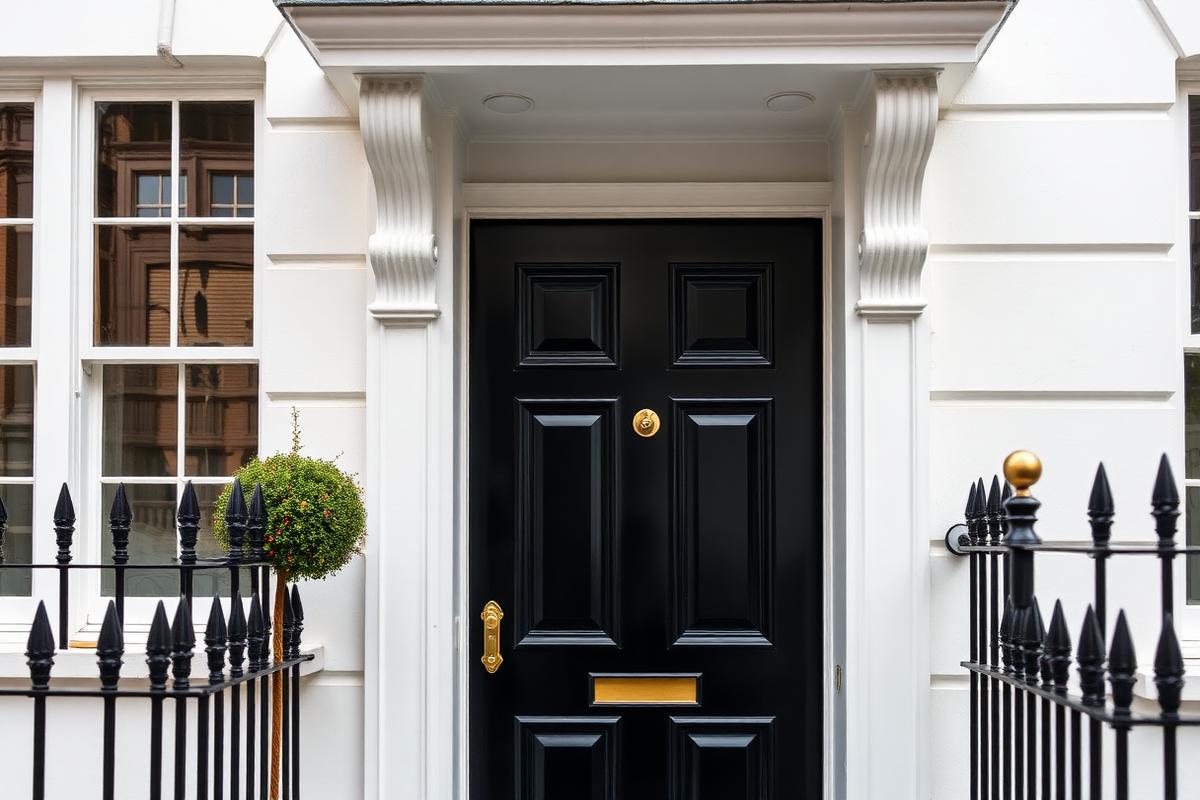
The Teddington property market reflects its status as an established, desirable suburb with limited new development. Period homes—Victorian and Edwardian terraces, inter-war semi-detached houses, and detached family properties—dominate the housing stock. Conversion flats, typically created from larger Victorian villas, provide entry points for first-time buyers, whilst purpose-built apartments remain relatively scarce outside specific riverside developments.
Certain addresses carry particular cachet amongst those familiar with the area. Streets closest to Bushy Park, properties with river access, and the finest Victorian terraces within walking distance of the station command premiums reflective of their advantages. Our team notices sustained interest in family homes offering four bedrooms, gardens, and period features—properties suited to the long-term residence that characterises Teddington's demographic.
Whilst we cannot provide specific recent sales data for Teddington, the broader Richmond-upon-Thames borough demonstrates consistent demand according to HM Land Registry figures, with the area maintaining its position as one of southwest London's prime residential locations. The stability of the local market, rather than dramatic price movements, tends to attract buyers seeking homes rather than short-term investments.
Competition for the best properties remains keen, particularly during spring and autumn. Houses presented in good condition, realistically priced, and marketed with professional photography typically generate multiple viewings quickly. The presence of several established estate agents in Teddington reflects ongoing market activity, though transaction volumes naturally fluctuate with broader economic conditions and mortgage availability.
Why Consider Teddington?
Teddington's appeal rests not on a single outstanding feature but on the accumulation of numerous advantages. The combination of riverside position, Royal Park access, strong schools, genuine community, period architecture and Zone 6 connectivity creates an offer difficult to replicate elsewhere in London. For families seeking space, quality of life and a neighbourhood that functions as more than a dormitory, Teddington presents a compelling proposition.
The area attracts a particular demographic: professionals in their thirties and forties, often with young families, seeking to establish roots in a stable, attractive environment. Downsizers from larger properties in Richmond or Kingston also recognise Teddington's merits, appreciating the ability to release equity whilst remaining within familiar territory. The demographic mix creates a balanced, established community rather than one dominated by a single life stage.
This Teddington guide would be incomplete without acknowledging certain limitations. The area lacks the restaurant density and cultural intensity of Richmond, the shopping breadth of Kingston, or the transport frequency of suburban stations closer to town. For those prioritising nightlife, cutting-edge dining, or a fifteen-minute commute, other locations may prove more suitable. Teddington appeals to those who value different qualities: green space over gallery openings, community over anonymity, substance over fashion.
For buyers and renters whose priorities align with what Teddington offers, the area rarely disappoints. The combination of tangible assets—park, river, architecture, schools—with less quantifiable qualities—neighbourliness, village atmosphere, sense of place—creates an environment where people choose to stay. Our experience suggests that those who move to Teddington having understood its character tend to become long-term residents, and frequently its most enthusiastic advocates.

Talk to Seymont
What's your home worth?
A considered view on price, timing and how to bring your London home to market — a personal reply within 24 hours.
Your property
Step 1 of 2About the author
Nina CastellanoInvestment Property Advisor
Nina advises landlords and investors on rental yields, tenant demand and portfolio structure across Greater London, after running lettings and management at Bellhouse Property Partners. She has overseen single units and multi-property portfolios, and works through compliance, void periods and running costs before a purchase is agreed. Her articles deal with the numbers behind a buy-to-let rather than the headline gross yield.
Lettings and portfolio management · 9 years in London rentals
- Buy-to-let
- Rental yields
- Portfolio strategy
- Landlord compliance
Frequently asked
- What makes Teddington different from neighbouring areas like Richmond or Kingston?
- Teddington offers a more village-like atmosphere than Richmond whilst providing better green space access than Kingston. It sits directly beside Bushy Park and the Thames, creating a genuinely leafy environment. The High Street retains independent shops and a community feel often lost in larger centres. Properties tend to be slightly more affordable than Richmond equivalents, whilst the area remains less transient than Kingston, with families typically staying longer term.
- How does transport from Teddington compare for commuters?
- Teddington Station provides direct South Western Railway services to Waterloo in approximately 35 minutes, though from a single platform with moderate frequency. Kingston station (ten minutes by bus) offers more frequent services and alternative routes. Bus links prove excellent for southwest London destinations including Richmond, Hammersmith and Wimbledon. The balance suits those prioritising quality of life over the absolute shortest commute, rather than those requiring frequent daily travel to the City.
- Which are the most sought-after streets in Teddington?
- Roads closest to Bushy Park, particularly those between Park Road and the railway line, attract significant demand from families. Properties with Thames frontage or river views command premiums, whilst streets in Hampton Wick offer Victorian charm in an intimate setting. The Victorian terraces around the High Street appeal to those wanting walkable access to shops and transport. Specific preferences vary, but original features, green space proximity and parking availability consistently influence desirability across Teddington property.
- Is Teddington suitable for families with children?
- Teddington particularly suits families, with several highly-rated primary schools including St Mary's and St Peter's, Stanley Primary and Collis Primary. Bushy Park provides exceptional outdoor space for children, whilst the riverside walks, playing fields and community facilities support active family life. The area feels safe and established, with lower traffic volumes than more central locations. Many families remain throughout their children's school years, creating continuity in friendships and community connections.
- What property types are available in Teddington TW11?
- Teddington's housing stock comprises primarily Victorian and Edwardian terraces, inter-war semi-detached houses, and detached family homes. Conversion flats exist in subdivided Victorian villas, particularly around the town centre. Purpose-built apartments remain less common, though riverside developments offer contemporary options. Period features, gardens and off-street parking characterise much of the market. The variety accommodates first-time buyers through to families seeking four or five-bedroom houses, though new-build availability remains limited compared to areas with larger development sites.