Journal
Streatham Property Market Report: Trends, Prices and Investment Insight
Written by Amara Bennett · Property Market Analyst
Published 26 July 2026 · Updated 18 August 2026 · 5 min read
The short answer
The Streatham property market continues to attract discerning buyers and investors seeking excellent value within Zone 3, combining Victorian and Edwardian charm with contemporary urban living. Our team has analysed the latest transaction data to provide an authoritative overview of this vibrant South London neighbourhood, where tree-lined streets meet thriving high streets and Streatham Common offers a rare combination of space and connectivity.
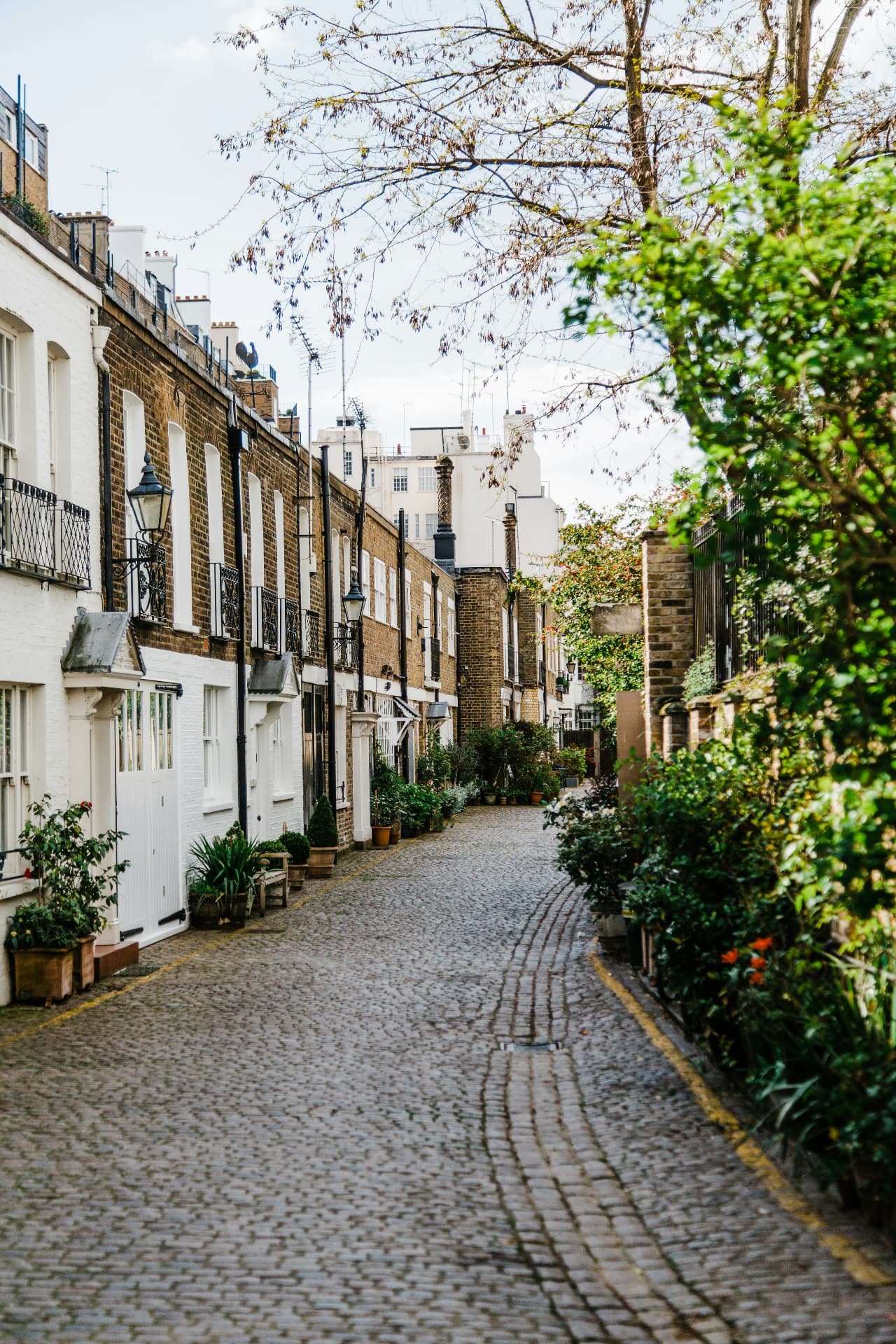
The Streatham property market continues to attract discerning buyers and investors seeking excellent value within Zone 3, combining Victorian and Edwardian charm with contemporary urban living. Our team has analysed the latest transaction data to provide an authoritative overview of this vibrant South London neighbourhood, where tree-lined streets meet thriving high streets and Streatham Common offers a rare combination of space and connectivity. With 1,413 recorded sales and a median price of £480,000 according to HM Land Registry data, Streatham represents a compelling proposition for those seeking more space than central postcodes typically afford, whilst maintaining swift access to the West End and City.
Current Streatham Housing Market Overview
The Streatham housing market has demonstrated resilience and sustained activity across all property types, with flats dominating transaction volumes at 700 sales and a median price of £380,000. This segment appeals particularly to first-time buyers and investors seeking rental yield, with properties ranging from conversions in characterful Victorian villas to purpose-built developments near Streatham Hill station.
Terraced houses recorded 469 transactions with a median of £602,500, reflecting strong demand for family homes along the area's sought-after residential roads between Streatham Common and Streatham Vale. Semi-detached properties commanded a median of £797,500 across 154 sales, whilst the 30 detached house transactions achieved a median of £855,000, according to HM Land Registry data—a segment concentrated around Streatham Common's leafier fringes.
The diversity of stock ensures Streatham caters to every stage of the property ladder, from studio apartments to substantial family homes. Our observations at <a href="/estate-agents/streatham">Seymont's Streatham office</a> confirm that buyers value the area's combination of period features, green spaces and transport links, creating competitive conditions particularly for well-presented homes in prime pockets.
Transaction volumes suggest a liquid market where properties move efficiently when correctly priced, with particular momentum in the sub-£500,000 bracket where Streatham offers exceptional space compared to neighbouring Balham or Clapham.
Streatham Price Trends Across Property Types
Examining Streatham price trends reveals significant variation across property typologies, enabling buyers to identify opportunities aligned with their budget and requirements. Flats span from £100,000 to £1,000,000, though the £380,000 median reflects strong concentration in the £350,000–£450,000 band where modern one and two-bedroom apartments predominate.
The terraced segment, Streatham's quintessential family offering, ranges from £250,000 to an exceptional £3,155,760, with the £602,500 median representing well-maintained three-bedroom homes on residential streets. Semi-detached properties begin at £400,000 and extend to £2,175,000, capturing everything from project opportunities to immaculate double-fronted Edwardian houses with southerly gardens overlooking Streatham Common.
Detached homes, whilst rare with only 30 transactions, commanded premiums between £480,000 and £3,700,000, concentrated in exclusive enclaves where substantial plots and architectural distinction justify elevated pricing. These figures from HM Land Registry data underscore Streatham's breadth of offering within a single SW16 postcode.
Our team observes that price sensitivity varies markedly by micro-location: properties within a five-minute walk of Streatham Common or Streatham Hill station consistently achieve premiums, whilst those toward Streatham Vale offer entry points for buyers prioritising space over immediate transport access. This granularity enables astute purchasers to maximise value by understanding hyper-local dynamics.
Rental Market Performance and Yield Potential
Streatham's rental market offers landlords and tenants alike a transparent pricing structure backed by ONS data. Studio apartments command £750–£1,175 per calendar month, appealing to young professionals seeking affordability within reasonable commuting distance. One-bedroom properties range from £1,000 to £1,550, representing the market's most liquid segment with consistent tenant demand.
Two-bedroom flats and houses achieve £1,350–£2,125 monthly, attracting couples and sharers who value Streatham's village atmosphere and green spaces. Three-bedroom family homes rent for £1,800–£2,825, whilst four-bedroom properties command £2,425–£3,775, reflecting strong demand from families prioritising school catchments and garden space. Five-bedroom homes, though rarer, achieve £3,175–£4,950, typically period conversions or substantial houses near Streatham Common.
For investors evaluating returns, a £380,000 one-bedroom flat achieving £1,300 monthly generates approximately 4.1% gross yield—competitive within Zone 3 whilst offering stronger capital growth prospects than outer suburbs. Our experience managing rental portfolios through <a href="/let-your-property/streatham">our Streatham lettings service</a> confirms sustained tenant demand, particularly from professionals priced out of Clapham and families seeking space without sacrificing connectivity.
Void periods remain minimal for well-maintained properties at market rents, and Streatham's ongoing regeneration—including high street improvements and new residential developments—supports rental growth expectations. The fundamentals underpinning tenant demand show no signs of weakening, making Streatham an attractive proposition for buy-to-let investors seeking sustainable income streams.
Talk to Seymont
What's your home worth?
A considered view on price, timing and how to bring your London home to market — a personal reply within 24 hours.
Your property
Step 1 of 2Is Streatham a Good Investment? Growth Drivers and Fundamentals
When evaluating whether Streatham represents sound investment, several structural advantages merit consideration. Transport connectivity stands foremost: Streatham Hill, Streatham and Streatham Common stations provide frequent Thameslink and Southern services reaching London Bridge in 15 minutes and Victoria in under 20 minutes, with off-peak frequency supporting flexible working patterns increasingly valued post-pandemic.
Streatham Common itself—78 acres of protected green space—constitutes an irreplaceable amenity that elevates residential desirability and supports price stability. Areas bordering the Common demonstrate particular resilience during market corrections, whilst the high street's independent cafés, restaurants and specialist retailers foster genuine community character absent from more transient neighbourhoods.
Regeneration initiatives continue apace, with planning permissions granted for residential schemes delivering new housing stock whilst preserving Streatham's architectural heritage. This development pipeline attracts young professionals and families, refreshing the demographic profile and supporting local businesses. Our analysis of <a href="/house-prices/streatham">Streatham house prices</a> over extended periods reveals consistent appreciation, albeit with the natural cyclicality affecting all London markets.
Relative value versus proximate postcodes remains compelling: Streatham's £480,000 median compares favourably against Balham's significantly higher entry points, enabling buyers to secure larger homes or investors to acquire better-yielding assets. This value gap persists despite comparable transport times and amenities, suggesting scope for continued convergence as buyers prioritise space and affordability.
The investment case strengthens further when considering Streatham's established infrastructure—excellent state and independent schools, healthcare facilities, and recreational amenities—which underpin sustainable long-term demand. For those seeking capital growth and income within a proven London suburb, Streatham warrants serious consideration within any diversified property portfolio.
Neighbourhood Nuances: Streatham Common to Streatham Vale
Understanding Streatham's internal geography enables buyers to identify optimal locations aligned with lifestyle priorities and budget parameters. Streatham Common, both the green space and surrounding residential streets, represents the area's premium quadrant where substantial Victorian and Edwardian houses command the highest prices. Tree-lined avenues here offer generous proportions, off-street parking and proximity to independent schools, justifying premiums for families prioritising space and greenery.
Streatham Hill, centred on the high street and station, delivers urban convenience with converted flats and new-build apartments predominating. This pocket suits professionals valuing transport links and high street amenities over garden space, with competitive pricing enabling first-time buyers to access Zone 3 home ownership. The concentration of restaurants, bars and shops creates vibrant street life, though parking can prove challenging.
Streatham Vale occupies the southern reaches, offering relative affordability and larger gardens, attracting families seeking maximum space within budget constraints. Whilst station access requires a bus journey, properties here deliver exceptional value, and recent improvements to local schools have enhanced residential appeal. Our team observes growing interest from upsizers willing to trade immediate transport access for substantial gardens and quieter streets.
The varied character across Streatham's sub-areas ensures every buyer profile finds suitable options, whether prioritising walkability, green space, value or period features. Viewing <a href="/property-for-sale/streatham">properties for sale across Streatham</a> reveals these nuances clearly, and our local expertise helps match clients with neighbourhoods that align with their specific requirements beyond generic postcode searches.
Talk to Seymont
What's your home worth?
A considered view on price, timing and how to bring your London home to market — a personal reply within 24 hours.
Your property
Step 1 of 2About the author
Amara BennettProperty Market Analyst
Amara spent seven years as a market analyst at Kestrel Lane Research, a small London property consultancy, before joining our editorial desk. She reads sold-price and rental data street by street to explain how individual London postcode districts actually behave, and reviews every price figure we publish. Her focus is separating headline national averages from what a specific address is worth today.
MSc Real Estate Economics · Seven years in property market research
- Valuations
- Local market data
- Sold prices
- Pricing strategy
Frequently asked
- What is the average house price in Streatham?
- According to HM Land Registry data, the median property price in Streatham is £480,000 across all property types. However, this varies significantly by property type: flats have a median of £380,000, terraced houses £602,500, semi-detached properties £797,500, and detached houses £855,000. Location within Streatham also influences pricing, with properties near Streatham Common and stations commanding premiums.
- Is Streatham a good area to invest in property?
- Streatham offers compelling investment fundamentals including excellent transport connectivity to central London (15 minutes to London Bridge), substantial green space with Streatham Common, ongoing regeneration, and competitive pricing relative to neighbouring areas like Balham and Clapham. Rental yields remain attractive, particularly for one and two-bedroom properties, whilst the established infrastructure and improving high street support long-term capital growth prospects.
- What are rental prices like in Streatham?
- ONS data shows Streatham rental prices range from £750–£1,175 monthly for studios, £1,000–£1,550 for one-bedroom properties, £1,350–£2,125 for two bedrooms, £1,800–£2,825 for three bedrooms, and £2,425–£3,775 for four-bedroom homes. These figures reflect Streatham's position as an affordable Zone 3 option with strong tenant demand from professionals and families seeking value without sacrificing connectivity.
- How long does it take to commute from Streatham to central London?
- Streatham benefits from three railway stations (Streatham Hill, Streatham, and Streatham Common) offering Thameslink and Southern services. Journey times to London Bridge take approximately 15 minutes, whilst Victoria is reachable in under 20 minutes. This connectivity makes Streatham particularly attractive to professionals working in the City or West End who prioritise space and value over Zone 1 or 2 locations.
- What types of properties are most common in Streatham?
- Flats dominate Streatham's housing stock with 700 recorded sales, primarily Victorian and Edwardian conversions alongside purpose-built developments. Terraced houses are the second most common with 469 transactions, offering family accommodation on residential streets. Semi-detached properties (154 sales) and detached houses (30 sales) are less common but available, particularly around Streatham Common where larger plots and period homes predominate.