Journal
Renting in Tooting: Your Complete Guide to SW17's Rental Market
Written by Thomas Lindqvist · Mortgage & Financing Specialist
Published 3 July 2026 · Updated 2 August 2026 · 8 min read
The short answer
Renting in Tooting has become increasingly attractive to professionals, families and students alike, drawn by the area's vibrant community spirit, excellent transport links and surprisingly competitive prices compared to neighbouring zones. Straddling the border between Wandsworth and Merton boroughs, this diverse south London neighbourhood offers an enviable blend of independent cafés, green spaces and genuine local character that larger developments struggle to replicate.
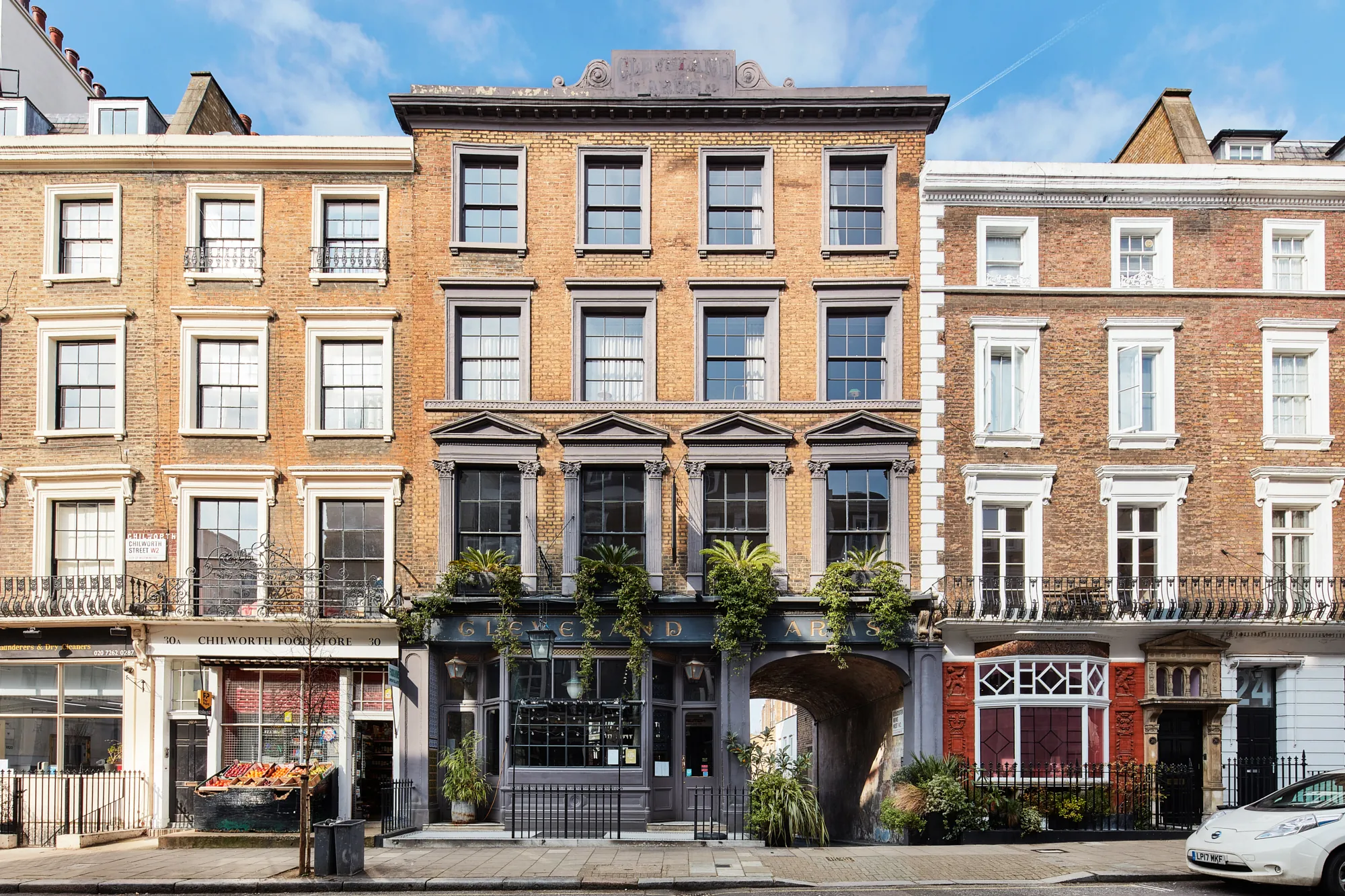
Renting in Tooting has become increasingly attractive to professionals, families and students alike, drawn by the area's vibrant community spirit, excellent transport links and surprisingly competitive prices compared to neighbouring zones. Straddling the border between Wandsworth and Merton boroughs, this diverse south London neighbourhood offers an enviable blend of independent cafés, green spaces and genuine local character that larger developments struggle to replicate. Our team has witnessed the Tooting rental market mature considerably over recent years, with discerning tenants recognising the value proposition that SW17 presents. Whether you're searching for a studio near the bustling high street or a family home closer to the commons, understanding the nuances of the local market will prove invaluable in securing the right property.
Understanding the Tooting Rental Market Landscape
The Tooting rental market demonstrates remarkable diversity, reflecting the area's varied housing stock and dual-centre geography around Tooting Broadway and Tooting Bec stations. According to ONS data, studio apartments typically command monthly rents between £925 and £1,425, whilst one-bedroom properties range from £1,225 to £1,900. Two-bedroom flats to rent in Tooting fall between £1,650 and £2,575 per month, representing considerable value when compared to equivalents in Clapham or Balham just a few stops northward.
Larger properties cater well to families and sharers, with three-bedroom homes ranging from £2,200 to £3,450 monthly, four-bedroom properties between £2,950 and £4,600, and five-bedroom houses commanding £3,850 to £6,025. These figures reflect the substantial Victorian and Edwardian terraced stock that characterises much of the residential streets radiating from the twin high streets, many of which have been sympathetically converted into spacious flats.
HM Land Registry data reveals that flats constitute the largest segment of recent sales activity, with 733 flat transactions at a median price of £465,000 from a dataset of 1,283 total sales. This prevalence of purpose-built and converted apartments directly influences rental availability, with the majority of Tooting tenancy opportunities comprising one and two-bedroom flats rather than whole houses. Terraced properties, whilst numbering 457 sales at a median of £800,000, tend to be retained by owner-occupiers or converted into multiple rental units.
Seasonal fluctuations affect the Tooting rental market as they do across London, with peak demand traditionally occurring between May and September when academic calendars and corporate relocation cycles converge. Our team consistently advises prospective tenants to begin their search at least six to eight weeks before their intended move-in date, particularly for properties near Tooting Bec station where competition from young professionals remains consistently robust.
Tooting Broadway versus Tooting Bec: Choosing Your Locale
The distinction between Tooting Broadway and Tooting Bec extends beyond mere station names, representing genuinely different residential experiences within the broader SW17 postcode. Tooting Broadway serves as the commercial and transport hub, where the Northern line intersects with numerous bus routes and the bustling market creates a energetic, cosmopolitan atmosphere. Properties here tend towards conversion flats above retail premises and purpose-built blocks from various decades, appealing to tenants who prioritise convenience and nightlife accessibility over tranquillity.
Tooting Bec, conversely, skews residential and attracts tenants seeking proximity to the expansive Tooting Bec Common—one of south London's finest green spaces. The streets between the station and the common feature handsome Victorian terraces, many containing well-maintained flats that command a modest premium over comparable Broadway properties. The famous Tooting Bec Lido, Britain's largest freshwater swimming pool, adds genuine lifestyle appeal during warmer months, whilst the common itself provides year-round recreation that families and fitness enthusiasts particularly value.
Rental price differentials between the two centres remain relatively modest, typically £50-150 monthly for equivalent specifications, though specific streets closer to the common can command more substantial premiums. Our experience suggests that tenants' choice often hinges on lifestyle preferences rather than budget constraints: those prioritising late-night dining, immediate transport connections and urban energy gravitate towards Broadway, whilst those seeking parkland access, quieter residential streets and a slightly more village-like atmosphere favour Bec.
Both locations offer excellent value compared to neighbouring areas. A two-bedroom flat in Tooting typically costs £200-400 less per month than an equivalent property in Clapham, whilst offering comparable transport times to central London and arguably superior local amenities. This value proposition has not gone unnoticed, with Tooting London increasingly appearing on 'hidden gem' lists and attracting tenants priced out of more established rental markets.
Transport Connectivity and Commuter Considerations
Transport infrastructure represents one of Tooting's strongest rental propositions, with both Tooting Broadway and Tooting Bec stations on the Northern line Zone 3 providing direct access to the City, West End and beyond. Journey times to central London typically range between 20-30 minutes depending on destination: Bank station lies approximately 25 minutes from either Tooting station, whilst Leicester Square can be reached in under 20 minutes during off-peak periods.
The Northern line's bifurcation at Kennington means tenants enjoy flexibility between Charing Cross and Bank branches, though weekend engineering works occasionally affect service patterns. Tooting Broadway benefits from additional connectivity through extensive bus networks, including the 44, 57, 77, 131, 155, 219, 270, 280, 315, 333 and G1 routes, providing orbital connections to Clapham, Putney, Streatham and further afield without requiring changes at central hubs.
For tenants commuting by road, the A24 runs directly through Tooting, providing arterial access southward to Surrey and connections to the South Circular. Parking considerations, however, merit careful attention: most residential streets operate controlled parking zones requiring permits, and properties with dedicated parking spaces command premiums of £75-150 monthly. Our team always recommends clarifying parking arrangements during viewings, as permit availability varies by council and street, with Wandsworth and Merton operating separate schemes.
Cyclists benefit from improving infrastructure, with Cycle Superhighway 7 running along the A24 through Tooting High Street, providing a relatively direct—if occasionally challenging—route to central London. The growing number of secure cycle storage facilities in newer developments reflects landlords' recognition of changing tenant priorities.
Talk to Seymont
What's your home worth?
A considered view on price, timing and how to bring your London home to market — a personal reply within 24 hours.
Your property
Step 1 of 2Amenities, Lifestyle and Community Character
Tooting's amenities punch well above the area's relatively modest property prices, with an exceptional concentration of independent businesses, international cuisines and community facilities. Tooting Market remains the neighbourhood's beating heart, its Victorian covered structure housing vendors selling everything from Sri Lankan street food to artisanal coffee, vintage clothing to fresh produce. The market's evolution from traditional fruit-and-veg stalls to incorporate contemporary food operators exemplifies Tooting's broader trajectory whilst retaining authentic character.
The culinary landscape extends well beyond the market, with Tooting Broadway and Tooting High Street offering genuine diversity: celebrated curry houses sit alongside Vietnamese pho restaurants, Polish delis neighbour Turkish kebab shops, and craft beer pubs coexist with traditional working men's clubs. This cosmopolitan mix reflects demographic diversity that many tenants find appealing, creating a genuinely mixed community rather than the monoculture that sometimes develops in rapidly gentrifying areas.
Green space provision exceeds most inner London neighbourhoods, with Tooting Bec Common's 221 acres and Tooting Common's 220 acres providing exceptional recreation opportunities. These contiguous spaces offer tennis courts, running tracks, playgrounds, cafés and, uniquely, the magnificent Tooting Bec Lido. Families considering a Tooting tenancy particularly appreciate the commons' role in providing safe outdoor space, whilst dog owners find the open areas invaluable.
Retail amenities balance independent traders with practical necessities: Tooting Broadway's Primark serves budget fashion needs, whilst multiple supermarkets (Sainsbury's, Aldi, several Co-ops and convenience stores) ensure grocery shopping remains convenient. The area notably lacks the chain-dominated high street monotony affecting many London suburbs, maintaining independent bookshops, hardware stores and specialist retailers that contribute to neighbourhood character. Our property search service at [/estate-agents/tooting](/estate-agents/tooting) can help match your lifestyle priorities with suitable locations within the broader area.

Navigating Your Tooting Tenancy: Practical Considerations
Securing flats to rent in Tooting follows standard London protocols, though local nuances merit attention. The majority of rental properties require referenced tenants to demonstrate household income of approximately 30 times the monthly rent annually—so a property at £1,800 monthly would typically require £54,000 annual household income. Credit checks, employment verification and previous landlord references form standard requirements, whilst guarantors may be requested from tenants with limited UK credit history or those in probationary employment.
Deposit regulations follow the statutory framework, with most landlords requesting five weeks' rent for annual rents below £50,000 (covering most Tooting properties). These deposits must be protected in government-approved schemes—either Deposit Protection Service, MyDeposits or Tenancy Deposit Scheme—within 30 days of receipt. Our team always ensures compliance with these regulations, providing tenants with prescribed information confirming protection details.
Tenancy lengths typically span 12 months initially, though six-month agreements occasionally feature for properties near St George's Hospital where locum medical staff create demand for shorter terms. Renewal negotiations generally occur 2-3 months before expiry, with rental increases averaging 3-5% annually in the current market, though this varies considerably based on property condition, comparable market rents and landlord circumstances. Early communication often secures favourable renewal terms, as landlords generally prefer retaining good tenants over incurring void periods and re-letting costs.
Council tax bands merit verification during property searches, as bills vary considerably: Band B properties (common for smaller flats) incur lower charges than Band D houses, and the Wandsworth/Merton borough split means identical properties on opposite sides of boundary streets may face different rates. Utility arrangements, building insurance and service charges (for flat developments) should be clarified before contracts exchange, as these costs materially affect overall housing expenditure beyond headline rent figures. Those considering longer-term commitments might explore opportunities at [/property-for-sale/tooting](/property-for-sale/tooting) to understand market dynamics.
Future Prospects for the Tooting Rental Market
The Tooting rental market demonstrates resilience despite broader London trends, supported by structural factors that suggest sustained demand. Transport connectivity improvements, including ongoing Northern line upgrades and proposed Crossrail 2 routes (though currently unfunded), would further enhance accessibility. Meanwhile, persistent housing undersupply across London ensures that competitively priced areas like Tooting maintain appeal amongst tenants balancing quality, convenience and affordability.
Development activity continues steadily, with several conversions and new-build schemes adding rental stock, particularly around Tooting Broadway where commercial-to-residential conversions above retail premises increase flat availability. These additions generally target the middle market segment—professional sharers and small families—rather than luxury or social housing extremes, maintaining Tooting's characteristic accessibility.
Demographic trends favour sustained rental demand, with Tooting's cosmopolitan character attracting international professionals, whilst affordability appeals to those priced from traditional first-time buyer areas. St George's Hospital provides employment for hundreds of medical professionals, many of whom seek nearby accommodation, creating consistent demand particularly for one and two-bedroom properties within walking distance.
For landlords considering the market, our [/let-your-property/tooting](/let-your-property/tooting) service provides comprehensive property management, whilst prospective tenants benefit from understanding longer-term area trajectories. The rental market's maturity means dramatic appreciation seems unlikely, but equally, the fundamentals supporting current demand—transport, amenities, value—appear durable. We anticipate Tooting continuing to attract tenants who prioritise community character and genuine local amenities over postcode prestige, sustaining a healthy rental market serving diverse household types.
Talk to Seymont
What's your home worth?
A considered view on price, timing and how to bring your London home to market — a personal reply within 24 hours.
Your property
Step 1 of 2About the author
Thomas LindqvistMortgage & Financing Specialist
Thomas advised buyers for a decade at Ashgrove Financial, an independent brokerage, on borrowing capacity, product selection and the full cost of a purchase, including stamp duty, legal fees and lender charges. He follows rate decisions and lender criteria changes and translates them into what a household can realistically afford. His guides cover affordability, remortgaging and the closing costs that buyers routinely underestimate.
CeMAP qualified · Whole-of-market mortgage advice background
- Mortgages
- Affordability
- Closing costs
- Remortgaging
Frequently asked
- What's the average rent for a two-bedroom flat in Tooting?
- According to ONS data, two-bedroom properties in Tooting typically range from £1,650 to £2,575 per month, with variation depending on specific location, property condition and proximity to stations. Flats closer to Tooting Bec Common generally command premiums over equivalent properties near Tooting Broadway, whilst period conversions with original features often exceed purpose-built flat rents. The median falls around £2,100 monthly for a well-maintained two-bedroom flat within a ten-minute walk of either station.
- Is Tooting Broadway or Tooting Bec better for renters?
- The choice depends entirely on lifestyle priorities rather than objective superiority. Tooting Broadway offers greater commercial amenity, nightlife options and transport connectivity with extensive bus networks complementing the Northern line. Tooting Bec provides superior green space access via the common and lido, quieter residential streets and a slightly more suburban atmosphere. Rental price differentials remain modest—typically £50-150 monthly for comparable properties—so personal preference regarding urban energy versus parkland tranquillity should guide decisions.
- How long does it take to commute from Tooting to central London?
- Northern line services from both Tooting Broadway and Tooting Bec stations reach central London in 20-30 minutes depending on destination. Leicester Square lies approximately 18-20 minutes away during off-peak periods, Bank station around 25 minutes, and London Bridge roughly 22 minutes. Journey times increase during peak hours when trains run fuller and station interchange times extend. Weekend engineering works occasionally necessitate bus replacement services, so tenants should factor occasional disruption into commute planning.
- What are the council tax implications of renting in Tooting?
- Tooting spans two London boroughs—Wandsworth and Merton—which operate different council tax rates. Wandsworth historically maintains London's lowest rates, whilst Merton's charges sit closer to London averages. A Band B property (typical for one-bedroom flats) incurs approximately £780-900 annually in Wandsworth compared to £1,200-1,350 in Merton. Tenants should verify which borough their prospective property falls within and confirm whether council tax is included in rent (rare) or payable separately (standard), as this materially affects monthly housing costs.
- Can I find parking with rental properties in Tooting?
- Parking availability varies considerably across Tooting, with most residential streets operating controlled parking zones requiring resident permits. Properties with dedicated parking spaces or garage access command rent premiums of £75-150 monthly and remain relatively scarce. Permit costs and eligibility vary by council and specific street, with some roads near stations subject to such high demand that councils restrict permits to existing residents. Tenants requiring parking should prioritise this during property searches and verify permit availability with the relevant council before committing to tenancies.