Journal
Moving to Camberwell: The Complete Guide
Written by Julian Reyes · Licensed Real Estate Agent
Published 8 April 2026 · Updated 16 April 2026 · 6 min read
The short answer
Moving to Camberwell places you at the heart of one of South London's most dynamic and creative neighbourhoods. Once a Victorian suburb known for its grand terraces and market gardens, Camberwell has evolved into a vibrant cultural quarter that attracts artists, young professionals and families seeking excellent value alongside outstanding transport connections.
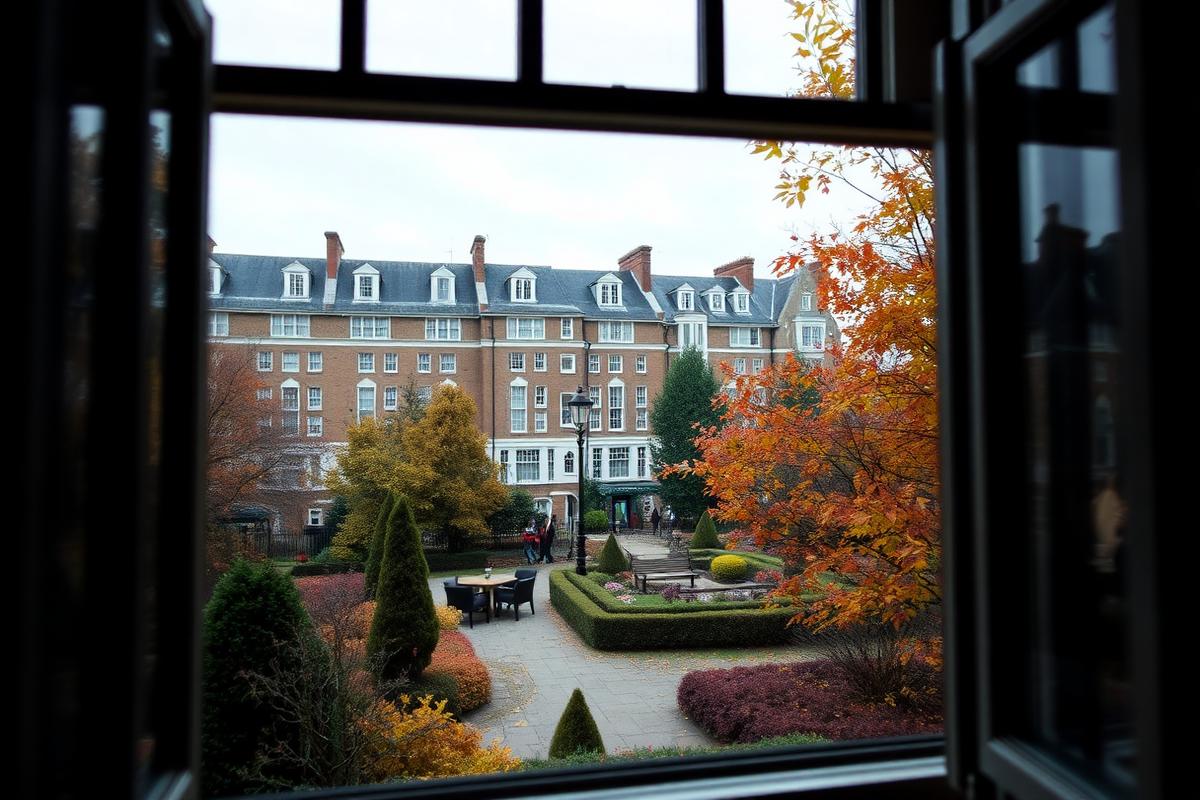
Moving to Camberwell places you at the heart of one of South London's most dynamic and creative neighbourhoods. Once a Victorian suburb known for its grand terraces and market gardens, Camberwell has evolved into a vibrant cultural quarter that attracts artists, young professionals and families seeking excellent value alongside outstanding transport connections. With Peckham Rye and Dulwich Village on the doorstep and Central London just minutes away, this SE5 postcode offers an compelling blend of urban energy and community spirit that makes relocating to Camberwell an increasingly popular choice for discerning Londoners.
Property Market and Prices in Camberwell
Understanding the property landscape is essential when moving to Camberwell. According to HM Land Registry data, the median sale price across 130 transactions stands at £462,500, positioning the area as one of South London's more accessible markets for those seeking quality homes without the premium attached to neighbouring zones.
Flats dominate the market, accounting for 100 of these sales with a median price of £429,000—ideal for first-time buyers and investors exploring <a href="/property-for-sale/camberwell">property for sale in Camberwell</a>. Terraced houses command a median of £873,000, reflecting the enduring appeal of Camberwell's handsome Victorian and Georgian stock, whilst semi-detached properties sit at £776,000. The detached market, though limited with just two sales, reached a median of £1,556,500, demonstrating the area's capacity to accommodate buyers across the entire spectrum.
For those renting, ONS data reveals studio apartments range from £725 to £1,125 per month, one-bedroom flats from £950 to £1,500, and two-bedroom properties between £1,300 and £2,025. Three-bedroom homes stretch from £1,750 to £2,725, whilst four-bedroom houses command £2,325 to £3,625 monthly. These figures offer strong value compared to neighbouring Dulwich and Herne Hill, making Camberwell particularly attractive for professionals and families weighing their options across South London.
Our experience at <a href="/estate-agents/camberwell">Seymont's Camberwell office</a> confirms growing interest in conversion flats within Victorian villas and purpose-built developments near Camberwell Green, where period charm meets contemporary living standards.
Transport and the Camberwell Commute
One consideration for anyone relocating to Camberwell is the notable absence of a tube station—yet this apparent limitation is offset by exceptional bus connectivity and emerging transport improvements. The Camberwell commute into Central London relies primarily on one of the capital's most comprehensive bus networks, with routes converging at Camberwell Green.
Direct services include the 36 to Victoria, the 68 to Waterloo, the 171 to Holborn, and the 185 to Victoria, amongst numerous others serving King's Cross, Liverpool Street and London Bridge. Night buses ensure 24-hour connectivity, whilst Denmark Hill station—just a ten-minute walk from Camberwell Green—provides Thameslink services to Blackfriars (7 minutes), Farringdon (10 minutes) and St Pancras International (13 minutes), alongside London Overground connections to Clapham Junction and Highbury & Islington.
Loughborough Junction station offers further Southern and Thameslink options, whilst Oval and Kennington tube stations (both Northern Line) sit within cycling distance or a short bus ride. The proposed Bakerloo Line extension to Camberwell remains under consideration by Transport for London, which would transform connectivity and likely elevate property values considerably.
Cyclists benefit from Cycle Superhighway 7 along Camberwell New Road, offering a direct, largely segregated route into the City and West End. For motorists, the A202 and A215 provide swift access to the South Circular, while Central London lies just 15 minutes away outside peak hours. This multi-modal accessibility makes the Camberwell commute surprisingly efficient for a zone 2 location without underground access.
Lifestyle, Culture and Community
Camberwell's identity centres on its thriving arts scene and independent spirit. The Camberwell College of Arts has anchored creative talent here since 1898, nurturing generations of artists, designers and illustrators whose influence permeates the neighbourhood's galleries, studios and street art. The South London Gallery on Peckham Road delivers world-class contemporary exhibitions in a beautifully restored Victorian building, whilst numerous artist studios and co-working spaces occupy converted industrial buildings around Camberwell New Road.
Camberwell Green itself functions as the area's social heart—a historic common where farmers' markets, community events and summer festivals bring residents together throughout the year. The green's surrounding pubs, from the Victorian grandeur of The Joiners Arms to the craft beer selection at Stormbird, cater to diverse tastes, whilst independent cafés like Silk Road and Campo de' Fiori have cultivated loyal followings.
Dining options span Caribbean cuisine on Coldharbour Lane, Vietnamese restaurants along Walworth Road, and gastropubs serving seasonal British fare. Denmark Hill's Maudsley Hospital and King's College Hospital ensure excellent healthcare provision, whilst the area's state primary schools—including Lyndhurst Primary and St George's Cathedral Catholic Primary—receive strong Ofsted ratings. Burgess Park, one of South London's largest green spaces, provides 140 acres of playing fields, lakes and community gardens just minutes from Camberwell's centre.
The weekly Camberwell Market brings vintage clothing, artisan food and antiques to the streets each Saturday, reinforcing the neighbourhood's reputation for independent retail over chain stores. This distinctive character attracts a diverse demographic that values authenticity, creativity and community over polished gentrification.
Talk to Seymont
What's your home worth?
A considered view on price, timing and how to bring your London home to market — a personal reply within 24 hours.
Your property
Step 1 of 2Camberwell Council Tax and Practical Considerations
Camberwell falls within the London Borough of Southwark for administrative purposes, which determines your Camberwell council tax obligations. For the 2024/25 financial year, Southwark's Band D rate stands at £1,485.05 before any applicable discounts. Most flats and terraced houses in Camberwell fall within Bands B to D, translating to annual bills between £990 and £1,485, though larger family homes may reach Bands E or F.
Southwark Council provides comprehensive services including weekly refuse collection, fortnightly recycling, and excellent library facilities—Camberwell Library on Camberwell Road offers extensive opening hours and community programming. Residents benefit from Southwark's investment in public realm improvements, with recent streetscape enhancements around Camberwell Green and Denmark Hill improving pedestrian safety and visual appeal.
Parking in Camberwell operates under controlled zones requiring permits for residents, with costs varying by vehicle emissions under Southwark's environmental policies. The borough's position within the expanding Ultra Low Emission Zone (ULEZ) means non-compliant vehicles face daily charges, though most modern cars meet the standards. Our team advises clients to check <a href="/house-prices/camberwell">specific street locations</a> when evaluating properties, as parking availability and restrictions vary considerably across the SE5 postcode.
School catchment areas represent another practical consideration, with Southwark operating distance-based admissions for most state schools. Those prioritising education often target streets within walking distance of their preferred primaries and secondaries, which can influence both property values and rental demand in specific micro-locations across Camberwell.
Is Camberwell Right for You?
Moving to Camberwell suits those who prioritise character, community and value over postcode prestige. The area appeals particularly to creative professionals, young families seeking space without sacrificing proximity to work, and downsizers from more expensive South London neighbourhoods who refuse to compromise on cultural amenities or transport links.
The absence of tube access deters some buyers, yet this has paradoxically preserved Camberwell's independent spirit and kept property prices noticeably below comparable Zone 2 locations. Those who embrace bus travel or cycle commuting find the connectivity entirely adequate, whilst the potential Bakerloo Line extension represents significant upside for long-term investors. The concentration of hospitals, universities and cultural institutions ensures consistent rental demand, making buy-to-let opportunities worth serious consideration.
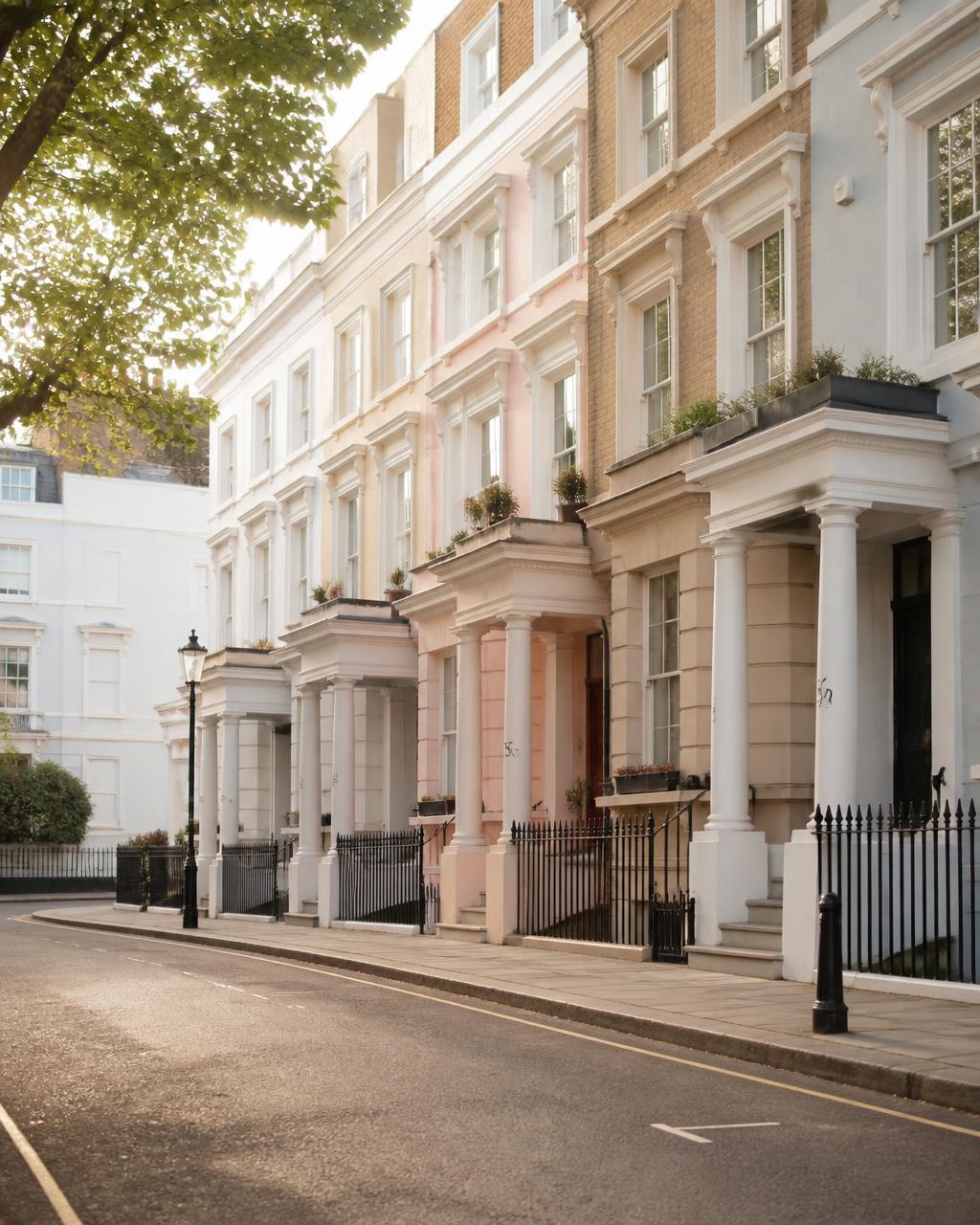
Camberwell's Victorian and Edwardian housing stock offers generous proportions and period features increasingly rare at these price points elsewhere in inner London. Conversion flats provide high ceilings and original details, whilst terraced houses deliver the gardens and extra bedrooms that growing families require. The local property market rewards those willing to undertake light renovation, with our experience suggesting that well-presented homes near Camberwell Green or Denmark Hill achieve premium prices.
The neighbourhood's diversity—socioeconomic, cultural and architectural—creates a genuine London village atmosphere that contrasts sharply with more homogeneous postcodes. For those seeking authenticity over uniformity, and community over anonymity, relocating to Camberwell delivers an urban lifestyle that feels both grounded and full of possibility. We've guided numerous clients through successful moves here, and consistently observe high satisfaction levels among those who've made Camberwell home.
Talk to Seymont
What's your home worth?
A considered view on price, timing and how to bring your London home to market — a personal reply within 24 hours.
Your property
Step 1 of 2About the author
Julian ReyesLicensed Real Estate Agent
Julian has spent eleven years handling residential sales across west and central London, previously with the independent agencies Harlowe & Vance and Marchmont Row. He runs listings end to end, from pricing and presentation through to negotiating offers and holding chains together to completion. His writing focuses on the practical mechanics of buying and selling a home in a market where timing and preparation decide the outcome.
Licensed estate agent · 11 years in London residential sales
- Residential sales
- First-time buyers
- Offer negotiation
- Chain management
Frequently asked
- Is Camberwell a safe area to live?
- Camberwell's safety profile has improved considerably over recent years, with visible police presence and community initiatives around Camberwell Green and Denmark Hill. Like most inner London areas, crime rates vary by street and time of day. We recommend visiting at different times and speaking with residents to gain a genuine sense of specific locations. The presence of major hospitals, educational institutions and active neighbourhood watch schemes contributes to overall community security.
- Does Camberwell have good schools?
- Camberwell offers several well-regarded state primary schools including Lyndhurst Primary, St George's Cathedral Catholic Primary and Bellenden Primary (near the Peckham border), many achieving Good or Outstanding Ofsted ratings. Secondary options include Charter School in neighbouring Dulwich and Ark All Saints Academy. The area's proximity to Dulwich College and James Allen's Girls' School also attracts families seeking independent education, though these institutions serve wider catchments across South London.
- Why doesn't Camberwell have a tube station?
- Camberwell was originally planned to receive a Northern Line station in the 1940s, but post-war funding constraints led to the project's abandonment. The proposed Bakerloo Line extension would finally bring underground services to Camberwell, though timelines remain uncertain pending Transport for London funding decisions. In the meantime, Denmark Hill's Thameslink services and exceptional bus connectivity provide comprehensive transport options that many residents find entirely sufficient for daily commuting needs.
- What is Camberwell Green?
- Camberwell Green is the historic common and focal point of the neighbourhood, located where Camberwell Road, Camberwell New Road and Denmark Hill converge. This triangular green space has served as a community gathering point for centuries, now hosting farmers' markets, seasonal events and surrounded by the area's primary shopping, dining and pub options. The green's distinctive character and central location make properties within sight of it particularly sought-after among those moving to Camberwell.
- How long does it take to commute from Camberwell to central London?
- The Camberwell commute typically takes 20-30 minutes to reach major central London destinations. Denmark Hill to Blackfriars requires just 7 minutes by Thameslink, whilst direct buses reach Victoria in approximately 25 minutes and Waterloo in 20 minutes, though journey times vary with traffic conditions. Cycling to the City or Southwark takes 15-20 minutes via designated routes. Early morning and late evening services prove particularly reliable, making Camberwell practical for those with flexible working patterns or atypical hours.