Journal
London Bridge House Prices in 2026
Written by Amara Bennett · Property Market Analyst
Published 2 July 2026 · Updated 16 August 2026 · 4 min read
The short answer
London Bridge house prices continue to reflect the area's remarkable evolution from historic transport hub to one of the capital's most dynamic residential and commercial quarters. As we navigate the 2026 market, our team observes sustained demand driven by the area's unparalleled connectivity, the enduring appeal of riverside living alongside Borough Market, and the cultural magnetism of The Shard and Tate Modern.
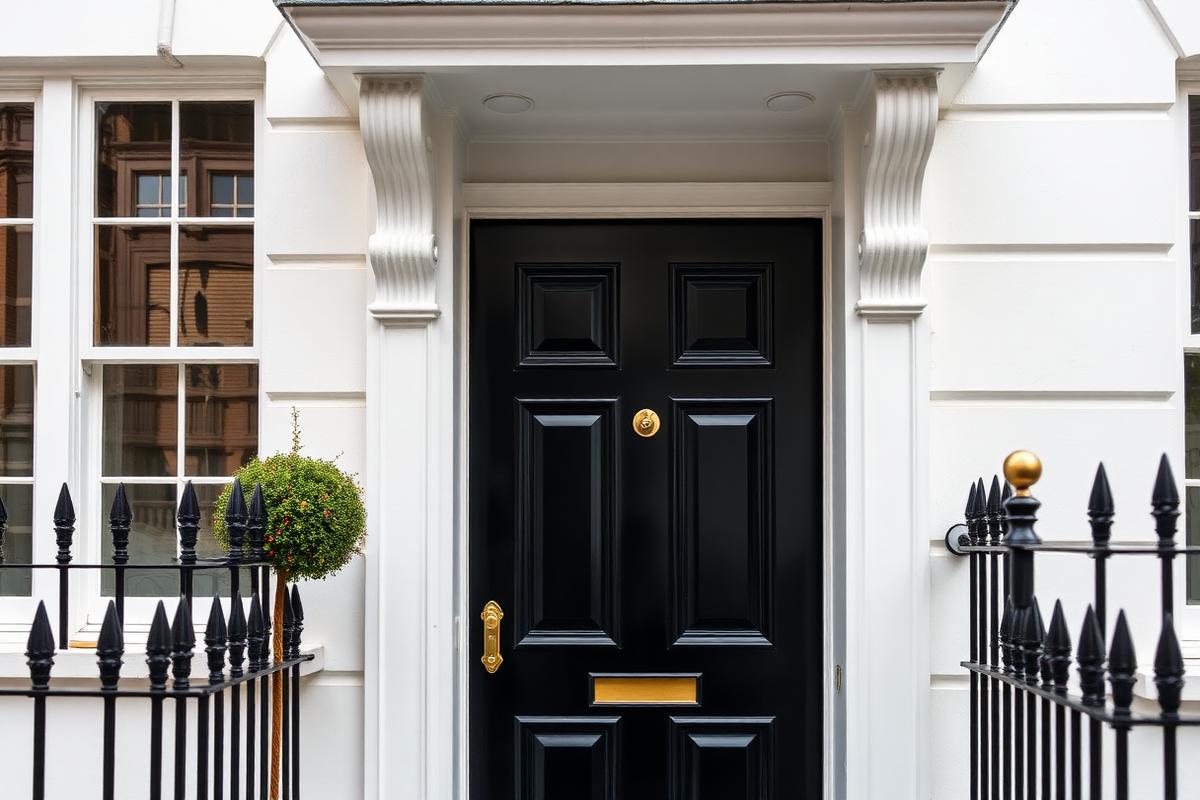
London Bridge house prices continue to reflect the area's remarkable evolution from historic transport hub to one of the capital's most dynamic residential and commercial quarters. As we navigate the 2026 market, our team observes sustained demand driven by the area's unparalleled connectivity, the enduring appeal of riverside living alongside Borough Market, and the cultural magnetism of The Shard and Tate Modern. With Bankside's warehouse conversions and the glass-fronted developments overlooking the Thames, this SE1 postcode commands premium valuations that reflect its unique position at the heart of London's most iconic panorama.
Current Market Overview: Average House Price London Bridge
The London Bridge property market in 2026 presents a complex picture shaped by economic headwinds and enduring locational advantages. According to HM Land Registry data, transaction volumes in recent months have shown caution among buyers, with limited recorded sales reflecting the broader trend we're observing across prime central London postcodes. This reduced activity doesn't necessarily signal weakening values; rather, it indicates a recalibration period where vendors and purchasers negotiate carefully in response to interest rate movements and affordability pressures.
What distinguishes London Bridge from neighbouring Southwark areas is the concentration of new-build luxury apartments commanding significant premiums. Properties within developments such as those lining Tooley Street or overlooking the river typically achieve substantially higher price points than the SE1 average, with two-bedroom apartments frequently exceeding £800,000 and penthouse units surpassing £2 million. For those exploring opportunities, our [London Bridge property listings](/property-for-sale/london-bridge) showcase the current market offerings.
The absence of substantial sales data in recent HM Land Registry returns underscores the importance of working with specialists who maintain real-time market intelligence. Our team tracks off-market transactions, new development reservation prices, and comparable evidence from adjacent postcodes to provide clients with accurate valuations even when public records lag behind market realities.
Property Types and London Bridge Sold Prices
London Bridge's housing stock presents a fascinating contrast between Victorian heritage and contemporary architecture. While the area lacks the extensive Victorian terraces found in Peckham or Camberwell, period conversions in the Bermondsey Street conservation area represent some of the most characterful properties available, with converted warehouses offering exposed brickwork, timber beams, and generous ceiling heights that command premiums of 15-20% over standard flat conversions.
The dominant property type remains purpose-built apartments, ranging from compact studios targeting young professionals and investors to expansive three-bedroom lateral apartments favoured by downsizers relocating from Southwest London. Glass-fronted developments with Thames views—particularly those between London Bridge and Tower Bridge—consistently achieve the highest square-footage values, often exceeding £1,400 per square foot for premium specifications.
For buyers considering sold house prices as benchmarks, we recommend examining transactions within specific developments rather than area-wide averages, as price variation between a river-facing apartment in a concierge-serviced building and a courtyard-aspect unit in a converted commercial property can exceed 40%. Our [area house price analysis](/house-prices/london-bridge) provides detailed comparables to inform purchasing decisions.
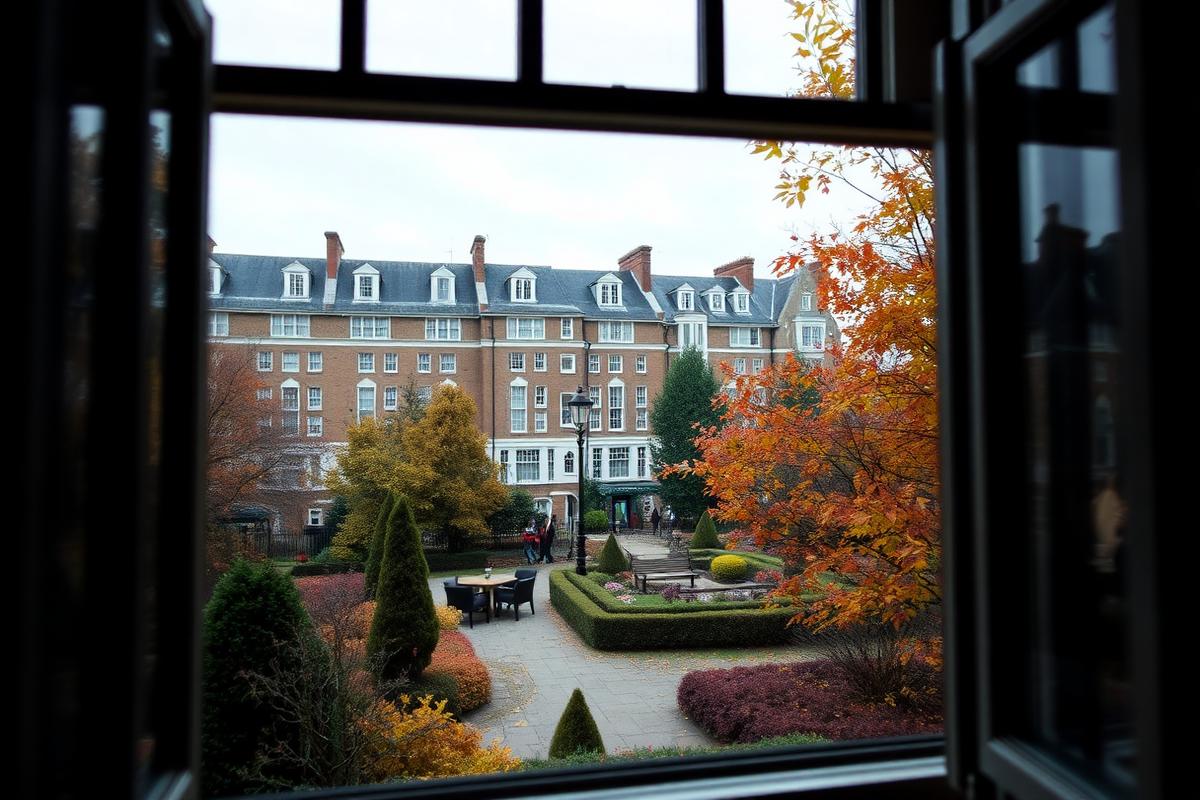
Investment Perspective and Rental Demand
London Bridge's investment credentials rest on several enduring pillars: the Thameslink, Northern, and Jubilee line interchange delivering six-minute commutes to the City and West End; the concentration of employers including PwC, Norton Rose Fulbright, and the growing tech sector at London Bridge Quarter; and the lifestyle amenities spanning Borough Market's artisan food scene to the Southbank's cultural institutions.
Rental demand remains robust despite broader market softness, with our lettings team observing particularly strong appetite from relocating professionals seeking furnished apartments within walking distance of Canary Wharf and the City. According to ONS data, rental growth across Southwark has moderated from the post-pandemic peaks, creating opportunities for landlords to secure long-term tenancies with quality tenants at sustainable yields. Those considering buy-to-let investments can explore our [property management services](/let-your-property/london-bridge) tailored to the London Bridge market.
The area's ongoing transformation—including the planned improvements to Borough Market surroundings and continued commercial development—suggests long-term capital appreciation potential, though investors should maintain realistic five-to-ten-year horizons given current market volatility. We observe that properties priced realistically for current conditions are achieving sales, whilst those anchored to 2021-2022 valuations face extended marketing periods.
Talk to Seymont
What's your home worth?
A considered view on price, timing and how to bring your London home to market — a personal reply within 24 hours.
Your property
Step 1 of 2Navigating the London Bridge Market in 2026
For both purchasers and vendors, success in the current London Bridge property market demands nuanced local expertise. Buyers seeking value should consider properties requiring cosmetic improvement or those in developments where Help to Buy equity loans are approaching their first adjustment period, creating motivated sellers. The highest competition persists for turnkey apartments in premier riverside developments, where international and domestic buyers continue to compete despite broader market softness.
Vendors must recognise that achieving 2022 valuations requires exceptional property condition, specification, or position. Homes priced within 5-10% of genuine comparable evidence are securing offers within 8-12 weeks, whilst aspirational pricing leads to extended void periods and eventual reductions that can negatively impact final achieved prices. Our [local estate agency team](/estate-agents/london-bridge) provides honest appraisals grounded in current market transactions rather than historical peaks.
Whether you're considering selling your house or searching for a house for sale near your current London Bridge residence, the SE1 market rewards preparation, realistic pricing, and marketing that articulates the genuine lifestyle advantages—the morning coffee overlooking the Thames, the evening stroll across to the West End, the weekend browsing at Borough Market—that make this corner of London genuinely irreplaceable.
Talk to Seymont
What's your home worth?
A considered view on price, timing and how to bring your London home to market — a personal reply within 24 hours.
Your property
Step 1 of 2About the author
Amara BennettProperty Market Analyst
Amara spent seven years as a market analyst at Kestrel Lane Research, a small London property consultancy, before joining our editorial desk. She reads sold-price and rental data street by street to explain how individual London postcode districts actually behave, and reviews every price figure we publish. Her focus is separating headline national averages from what a specific address is worth today.
MSc Real Estate Economics · Seven years in property market research
- Valuations
- Local market data
- Sold prices
- Pricing strategy
Frequently asked
- What is the average house price in London Bridge in 2026?
- London Bridge property prices vary significantly by type and location. While recent HM Land Registry data shows limited transaction volumes, typical values range from £550,000-£750,000 for one-bedroom apartments to £1.5 million-plus for three-bedroom riverside units. Purpose-built luxury developments command premiums over converted properties, and river views add 20-30% to valuations compared to courtyard-aspect equivalents.
- Is London Bridge a good area to invest in property?
- London Bridge offers compelling investment fundamentals: exceptional transport connectivity via three Tube lines and Thameslink, proximity to major employment centres, and strong rental demand from professionals. However, 2026 market conditions require realistic yield expectations and medium-to-long-term capital growth horizons. Properties priced correctly continue to attract tenant interest, with particular demand for well-specified one and two-bedroom apartments.
- How do London Bridge house prices compare to neighbouring areas?
- London Bridge typically commands a 15-25% premium over Borough and Elephant & Castle due to superior connectivity and riverside positioning, whilst pricing approximately 10-15% below prime Bankside developments west of Blackfriars Bridge. Bermondsey Street properties often achieve higher square-footage values than Tooley Street equivalents, reflecting the conservation area's period character and independent retail offerings.
- What types of properties are most common in London Bridge?
- Modern purpose-built apartments dominate London Bridge's housing stock, ranging from compact studios to expansive lateral apartments. Victorian warehouse conversions along Bermondsey Street and Shad Thames offer characterful alternatives with exposed brickwork and high ceilings. Traditional terraced houses are rare in the immediate London Bridge area, with most period housing stock located in surrounding Bermondsey and Borough neighbourhoods.
- Are London Bridge property prices expected to rise in 2026-2027?
- Our team observes price stabilisation rather than significant growth in the immediate term, with values dependent on broader economic factors including interest rates and employment confidence. London Bridge's structural advantages—connectivity, lifestyle amenities, and supply constraints—support long-term appreciation potential, but realistic expectations suggest modest single-digit growth over the next 12-18 months rather than the double-digit increases seen in previous cycles.