Journal
London Bridge Area Guide
Written by Nina Castellano · Investment Property Advisor
Published 14 February 2026 · Updated 16 May 2026 · 4 min read
The short answer
Welcome to our London Bridge area guide, where medieval history meets contemporary urban living on the Thames. This ever-evolving quarter has transformed from ancient crossing point to one of central London's most compelling neighbourhoods, where Roman foundations lie beneath cutting-edge architecture and bustling markets sit alongside world-class cultural venues.
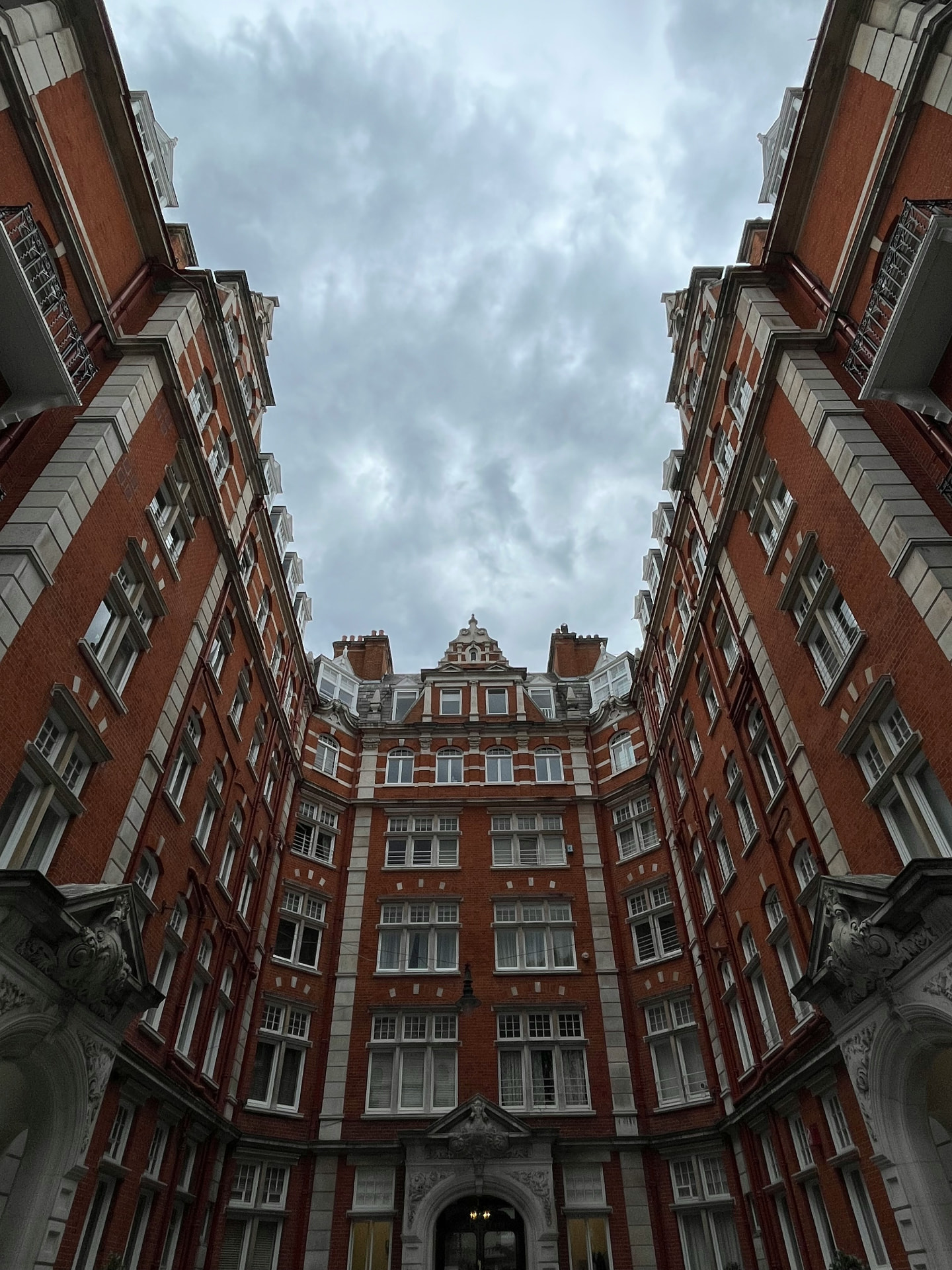
Welcome to our London Bridge area guide, where medieval history meets contemporary urban living on the Thames. This ever-evolving quarter has transformed from ancient crossing point to one of central London's most compelling neighbourhoods, where Roman foundations lie beneath cutting-edge architecture and bustling markets sit alongside world-class cultural venues. Our team has watched London Bridge mature into a district that balances heritage with innovation, offering residents and investors a unique proposition that few London locations can match. From the Thames Path to Borough Market's artisan stalls, this area delivers authenticity alongside exceptional transport links that connect you to the entire capital within minutes.
The Character of London Bridge Streets
The London Bridge streets weave a narrative that spans two millennia, from the remains of the Roman settlement at London Bridge itself to the soaring shard that punctuates the skyline. Tooley Street runs parallel to the Thames, its Victorian warehouses now reimagined as restaurants, galleries and modern workspaces that hum with creative energy throughout the week.
Borough High Street forms the area's historic spine, where coaching inns once welcomed travellers and where today's pedestrians discover independent shops, gastropubs and the legendary Borough Market. The covered market halls have served Londoners since 1014, and the current Victorian structures create an atmospheric backdrop for weekend browsing and weekday lunch runs.
Narrower lanes like Clink Street and Stoney Street reveal the area's layered past, their cobbles and brick facades providing Instagram-worthy moments whilst connecting residents to cafés, wine bars and the riverside. These London Bridge streets maintain an organic, human scale despite the modern development surrounding them, creating a neighbourhood that feels both intimate and metropolitan.
London Bridge Property Market Insights
The London Bridge property landscape reflects the area's dramatic regeneration over the past two decades. Period conversions sit alongside purpose-built developments, offering everything from warehouse lofts with exposed brickwork to contemporary apartments with floor-to-ceiling glazing and Thames views. We've observed particular demand for properties within walking distance of both London Bridge and Borough stations, where Zone 1 connectivity commands a premium.
Whilst we cannot provide current sales data for this specific postcode area, our experience handling [London Bridge property](/property-for-sale/london-bridge) transactions reveals that buyers are drawn to the neighbourhood's blend of cultural amenities and commercial vitality. The presence of major employers around The Shard and More London estate creates a strong rental market, making this an area worth exploring for those considering investment properties.
For those examining opportunities beyond primary residences, it's worth noting that stamp duty on second homes attracts an additional 3% surcharge on top of standard rates, whilst stamp duty on second property purchases requires careful financial planning. Our team at [Seymont London Bridge](/estate-agents/london-bridge) can discuss how these considerations affect your particular circumstances.
Whether you're renting a house in the wider SE1 area or seeking a flat on rent closer to the riverside, the London Bridge market offers diverse options. We regularly handle enquiries from professionals seeking short commutes, families valuing the area's schools and transport links, and investors recognising the neighbourhood's enduring appeal.

Transport and Connectivity
London Bridge station stands as one of the capital's busiest transport hubs, following its £1 billion redevelopment that created a light-filled, efficient interchange serving over 50 million passengers annually. The station provides Southeastern services to Kent and Sussex, Thameslink routes spanning Brighton to Cambridge, and Northern and Jubilee line tube services that place the West End, City and Canary Wharf within easy reach.
Borough station on the Northern line offers an alternative just minutes away, whilst numerous bus routes serve the area's main thoroughfares. For cyclists, dedicated lanes and the Thames Path provide car-free routes, and the area's flat topography makes two-wheeled commuting particularly practical. River bus services from nearby piers add another dimension to daily travel, transforming the commute into something rather more enjoyable than the average tube journey.
Talk to Seymont
What's your home worth?
A considered view on price, timing and how to bring your London home to market — a personal reply within 24 hours.
Your property
Step 1 of 2Culture, Dining and Lifestyle
Borough Market remains the area's culinary heart, where our team often finds ourselves on Saturday mornings navigating the crowds for artisan bread, seasonal produce and global street food. The market's influence extends throughout the neighbourhood, with independent wine merchants, specialist coffee roasters and chef-led restaurants clustering nearby.
Cultural offerings include Shakespeare's Globe on the riverside, Tate Modern a brief walk across the Thames, and the atmospheric George Inn, London's last galleried coaching inn, now preserved by the National Trust. The Shard's viewing gallery offers perspective quite literally, whilst the Fashion and Textile Museum, Old Operating Theatre Museum and HMS Belfast provide specialist interests for residents and visitors alike.
The riverside walk from Tower Bridge to Southwark Bridge delivers changing perspectives across the Thames, past City landmarks and through pocket parks where office workers lunch in summer months. This walkability defines daily life here—most amenities sit within a fifteen-minute radius, reducing dependence on vehicles whilst maximising free time.
Investment Considerations
London Bridge's position within Zone 1, combined with its concentrated employment opportunities and cultural infrastructure, creates fundamentals that appeal to property investors. The ongoing development pipeline continues to enhance the area's residential offer whilst major corporates maintain headquarters nearby, supporting rental demand across various price points.
Those exploring [letting property in London Bridge](/let-your-property/london-bridge) benefit from the neighbourhood's appeal to both domestic and international tenants, though landlords should factor in the additional responsibilities and tax implications that accompany buy-to-let investments. For detailed analysis of [house prices in London Bridge](/house-prices/london-bridge), our team maintains current market intelligence drawn from actual transactions rather than algorithm-generated estimates.
The area's evolution shows no signs of slowing—new developments, improved public realm and continued transport investment suggest London Bridge will remain a focal point for those seeking central London living with character and convenience in equal measure.
Talk to Seymont
What's your home worth?
A considered view on price, timing and how to bring your London home to market — a personal reply within 24 hours.
Your property
Step 1 of 2About the author
Nina CastellanoInvestment Property Advisor
Nina advises landlords and investors on rental yields, tenant demand and portfolio structure across Greater London, after running lettings and management at Bellhouse Property Partners. She has overseen single units and multi-property portfolios, and works through compliance, void periods and running costs before a purchase is agreed. Her articles deal with the numbers behind a buy-to-let rather than the headline gross yield.
Lettings and portfolio management · 9 years in London rentals
- Buy-to-let
- Rental yields
- Portfolio strategy
- Landlord compliance
Frequently asked
- What is London Bridge best known for?
- London Bridge is renowned for its historic Thames crossing (the current bridge opened in 1973), the iconic Shard skyscraper, Borough Market's artisan food scene, and its position as a major transport hub connecting southeast England to central London. The area blends Roman origins with contemporary architecture and hosts attractions including Shakespeare's Globe and the Fashion and Textile Museum.
- Is London Bridge a good area to live in?
- London Bridge offers excellent living credentials with Zone 1 transport connections, riverside location, abundant dining and cultural amenities, and a blend of period and modern housing. The neighbourhood suits professionals valuing short commutes, food enthusiasts drawn to Borough Market, and those seeking central London character without sacrificing convenience. The area maintains activity throughout the week whilst offering quieter riverside walks.
- How is the transport connectivity from London Bridge?
- London Bridge station provides exceptional connectivity with National Rail services to Kent, Sussex and beyond, Thameslink routes spanning Brighton to Cambridge, and Northern and Jubilee tube lines. The station serves over 50 million passengers annually following its major redevelopment. Borough station, numerous bus routes, cycle lanes and Thames river bus services offer additional transport options.
- What property types are available in London Bridge?
- London Bridge property includes converted Victorian warehouses with period features, modern purpose-built apartments with river views, ex-local authority flats offering more affordable entry points, and occasional houses on quieter streets. The market caters to various budgets with studio flats through to larger family homes, though apartments predominate given the central location.
- What are the main attractions near London Bridge?
- Key attractions include Borough Market (operating since 1014), The Shard viewing platform, Shakespeare's Globe theatre, Tate Modern across Millennium Bridge, the George Inn (London's last galleried coaching inn), HMS Belfast, the Old Operating Theatre Museum, Southwark Cathedral, and the riverside Thames Path connecting to Tower Bridge and beyond.