Journal
Living in Forest Hill
Written by Amara Bennett · Property Market Analyst
Published 28 June 2026 · Updated 18 August 2026 · 4 min read
The short answer
Living in Forest Hill places you in one of South East London's most characterful neighbourhoods, where leafy streets meet vibrant community spirit. This SE23 enclave has evolved from Victorian suburb to sought-after residential area, drawing families and professionals who value its blend of period architecture, green spaces and genuine village atmosphere.
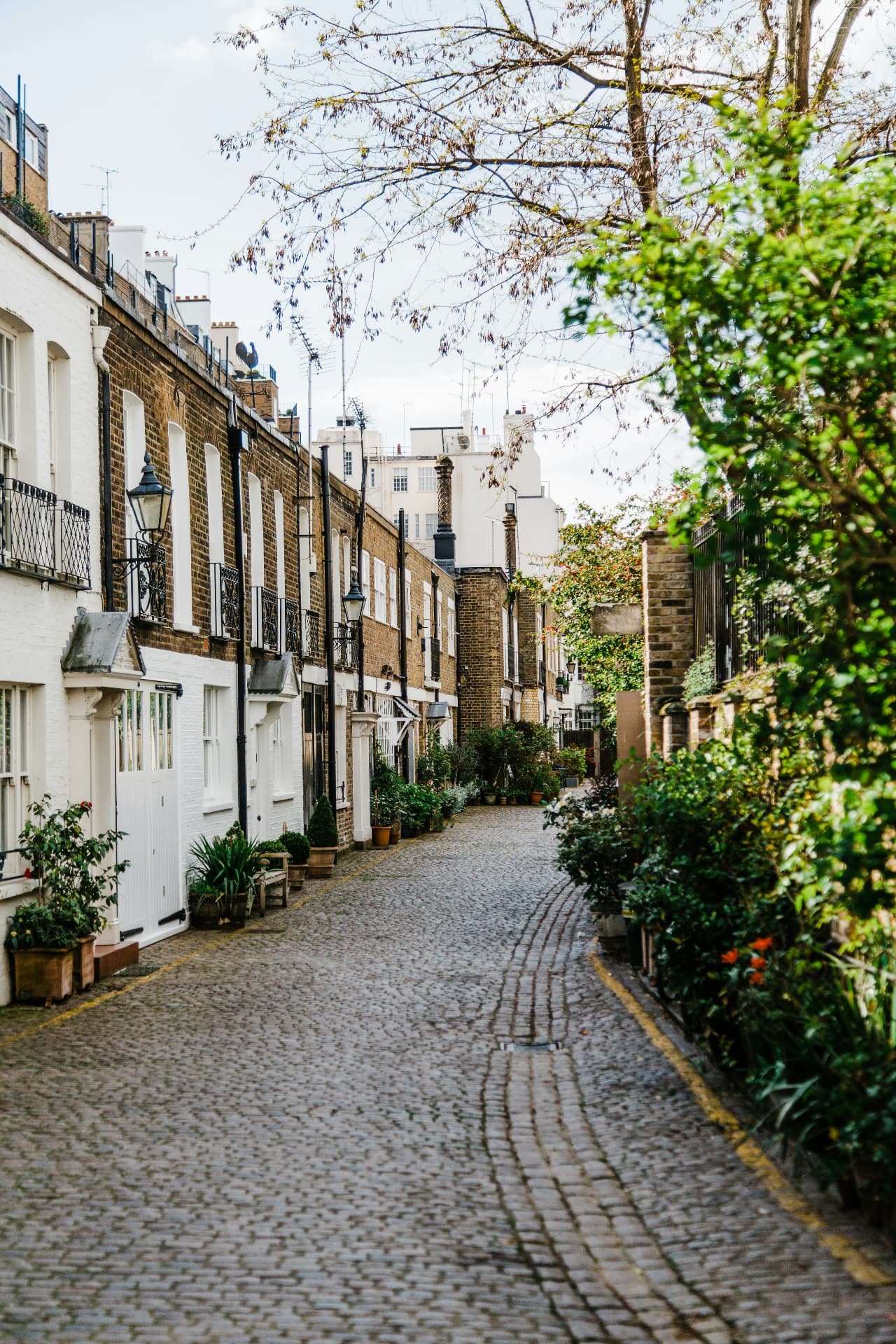
Living in Forest Hill places you in one of South East London's most characterful neighbourhoods, where leafy streets meet vibrant community spirit. This SE23 enclave has evolved from Victorian suburb to sought-after residential area, drawing families and professionals who value its blend of period architecture, green spaces and genuine village atmosphere. Our team at Seymont London has watched Forest Hill transform into a destination where buyers actively choose the lifestyle, not simply the location.
What Is Forest Hill Like?
Forest Hill presents a distinctive topography that sets it apart from neighbouring areas. The suburb climbs steeply from Sydenham, offering elevated positions with sweeping views across London, whilst the conservation areas around Devonshire Road and Waldram Park Road showcase some of South London's finest Victorian and Edwardian terraces. The architectural variety here is remarkable: grand semi-detached villas sit alongside converted mansion blocks, purpose-built flats and charming railway cottages.
The neighbourhood centres around the junction of Dartmouth Road, London Road and Stanstead Road, where independent cafés, gastropubs and specialist shops create a thriving high street. The Forest Hill Society's advocacy has helped preserve the area's character whilst welcoming thoughtful development. Horniman Museum and Gardens remains the jewel in the crown—this free museum with its world-class collections and 16-acre grounds draws visitors from across the capital, yet locals enjoy it as their garden.
What strikes many newcomers is the diversity of the community and the active neighbourhood engagement. From the farmers' market to the Forest Hill Festival, residents here participate in shaping their environment. The tree-lined streets genuinely merit the 'Forest' moniker, with mature specimens throughout the conservation areas and generous green spaces including Blythe Hill Fields and Dacres Wood Nature Reserve.
Forest Hill Transport Links
Forest Hill transport connections deliver exceptional value for those commuting into central London. The Overground station provides direct services to Canada Water in 15 minutes, Shoreditch High Street in 24 minutes, and Highbury & Islington in 31 minutes, with frequent trains throughout the day. This orbital connectivity means access to the Jubilee, Northern and Victoria lines without travelling through central London.
The arrival of the Overground has been transformative, placing Forest Hill firmly on the map for professionals working in Canary Wharf, the City, and East London's tech hub. Multiple bus routes serve the area, including the 176, 185 and 356, whilst drivers benefit from the South Circular proximity and reasonable access to the M25 and M23 via the A205 and A23.
Our observations at <a href="/estate-agents/forest-hill">Seymont London's Forest Hill office</a> confirm that these transport improvements have directly influenced buyer interest, particularly amongst those priced out of Zone 2 alternatives who refuse to compromise on journey times.
Forest Hill Lifestyle and Community
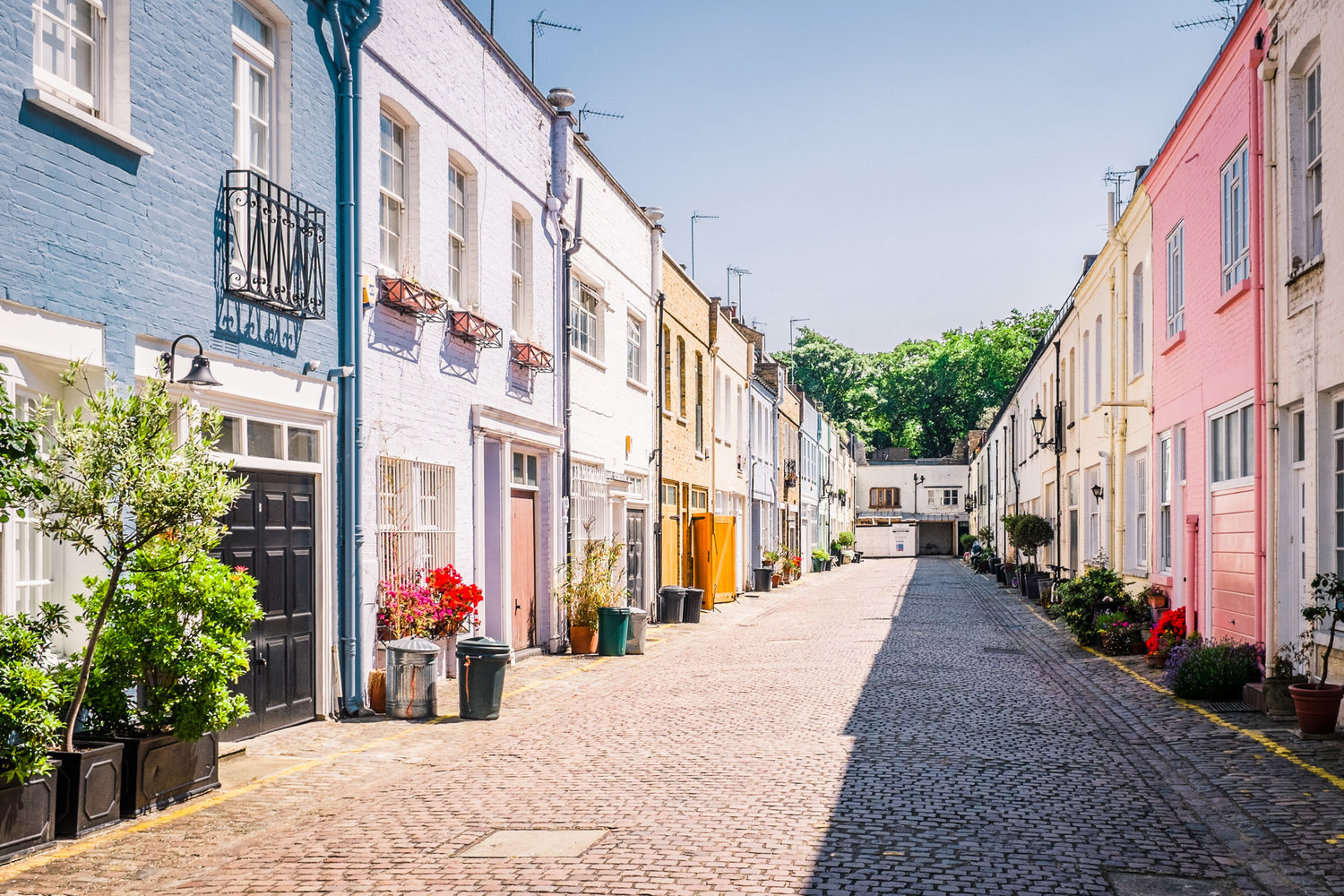
The Forest Hill lifestyle centres on outdoor living and community engagement. Families gravitate toward the substantial gardens that accompany many Victorian houses, whilst the proximity to multiple green spaces encourages an active outdoor culture. The Horniman's gardens alone offer adventure playgrounds, animal enclosures, bandstand concerts and spectacular sunset views from the sound garden.
Schooling drives many family moves to Forest Hill, with several outstanding primary schools in catchment and secondary options including Forest Hill School, Sydenham School and faith schools. The independent Sydenham High School (GDST) serves families seeking private education without lengthy commutes.
Dining and drinking options have matured considerably, with The Perry Hill, The Dartmouth Arms and The Capitol establishing Forest Hill as a genuine food destination. Cafés including The Brickhouse Bakery and Feast cater to the weekend brunch crowd, whilst Babur's Michelin-recognised Indian cuisine draws diners from across London. The Wednesday farmers' market and independent retailers along Devonshire Road reinforce the neighbourhood's character as somewhere distinct from clone-town Britain.
Talk to Seymont
What's your home worth?
A considered view on price, timing and how to bring your London home to market — a personal reply within 24 hours.
Your property
Step 1 of 2Forest Hill Property Market
According to HM Land Registry data, Forest Hill recorded 664 property sales with a median price of £495,000, reflecting the area's position as an accessible entry point to South East London homeownership. The market demonstrates clear stratification: flats (375 sales) achieved a median of £400,000, terraced houses (179 sales) reached £740,000, whilst semi-detached properties (72 sales) commanded £927,500, and detached homes (18 sales) topped the market at £1,162,500.
This pricing structure allows genuine choice. First-time buyers find purpose-built and converted flats from £400,000, whilst growing families can access three-bedroom terraces for substantially less than comparable properties in Dulwich or Blackheath. The premium end—particularly period houses in the conservation areas—attracts downsizers from more expensive postcodes and upsizers from Lewisham and Catford.
Rental demand remains robust, with ONS data showing studios from £775–£1,225 monthly, one-bedroom properties £1,025–£1,600, two-bedroom homes £1,400–£2,175, and three-bedroom houses £1,875–£2,925. For landlords considering <a href="/let-your-property/forest-hill">letting property in Forest Hill</a>, the combination of Overground connectivity and relative affordability sustains consistent tenant interest.
Those exploring <a href="/property-for-sale/forest-hill">houses for sale in Forest Hill</a> should note the market's breadth: Victorian terraces predominate, but buyers also encounter Edwardian semis, 1930s detached houses, and modern developments. Understanding <a href="/house-prices/forest-hill">Forest Hill house prices</a> requires recognising the premium commanded by conservation area locations, south-facing gardens, and original period features.
Talk to Seymont
What's your home worth?
A considered view on price, timing and how to bring your London home to market — a personal reply within 24 hours.
Your property
Step 1 of 2About the author
Amara BennettProperty Market Analyst
Amara spent seven years as a market analyst at Kestrel Lane Research, a small London property consultancy, before joining our editorial desk. She reads sold-price and rental data street by street to explain how individual London postcode districts actually behave, and reviews every price figure we publish. Her focus is separating headline national averages from what a specific address is worth today.
MSc Real Estate Economics · Seven years in property market research
- Valuations
- Local market data
- Sold prices
- Pricing strategy
Frequently asked
- Is Forest Hill a good area to live in?
- Forest Hill offers excellent value for families and professionals seeking period properties, green spaces and strong transport links. The area combines Victorian character with modern amenities, outstanding schools, and genuine community spirit. The Overground provides swift access to Canary Wharf and East London, whilst the Horniman Museum, independent shops and diverse dining scene create a distinctive lifestyle. Property prices remain considerably lower than neighbouring Dulwich whilst delivering comparable quality of life.
- How long does it take to commute from Forest Hill to central London?
- Forest Hill station on the London Overground reaches Canada Water in 15 minutes, Shoreditch High Street in 24 minutes, and Highbury & Islington in 31 minutes. From these interchange stations, you can access the Jubilee, Northern and Victoria lines. Direct bus services also run to central locations, whilst the station's orbital connectivity makes Canary Wharf particularly accessible for City workers.
- What is the average house price in Forest Hill?
- HM Land Registry data shows a median property price of £495,000 in Forest Hill. Flats typically sell for around £400,000, terraced houses for £740,000, semi-detached properties for £927,500, and detached houses for £1,162,500. Prices vary significantly depending on property condition, location within conservation areas, and proximity to the station and schools.
- What are the best streets to live on in Forest Hill?
- The conservation areas around Devonshire Road, Waldram Park Road, and the streets between London Road and Sydenham Road contain Forest Hill's finest Victorian and Edwardian properties. Many buyers favour the elevated positions off Perry Hill for views, whilst those prioritising station proximity focus on roads within 10 minutes' walk of the Overground. Streets near Horniman Museum command premiums for their gardens and green space access.
- Are there good schools in Forest Hill?
- Forest Hill serves families well for education, with several outstanding-rated primary schools including Fairlawn Primary, Horniman Primary, and Eliot Bank Primary. Secondary options include Forest Hill School (mixed comprehensive), Sydenham School, and various faith schools. The independent Sydenham High School (GDST) provides private education locally. Many families move to Forest Hill specifically for school catchment areas, so researching admissions criteria early is advisable.