Journal
Living in Crouch End: Your Complete Area Guide
Written by Julian Reyes · Licensed Real Estate Agent
Published 11 November 2025 · Updated 15 June 2026 · 5 min read
The short answer
Living in Crouch End means embracing one of North London's most distinctive village atmospheres, where independent shops, thriving arts venues and leafy streets create a genuinely special residential enclave. Perched on a hill between Highgate and Hornsey, this neighbourhood has cultivated a bohemian character that attracts creative professionals, young families and established residents who value community spirit alongside proximity to central London.
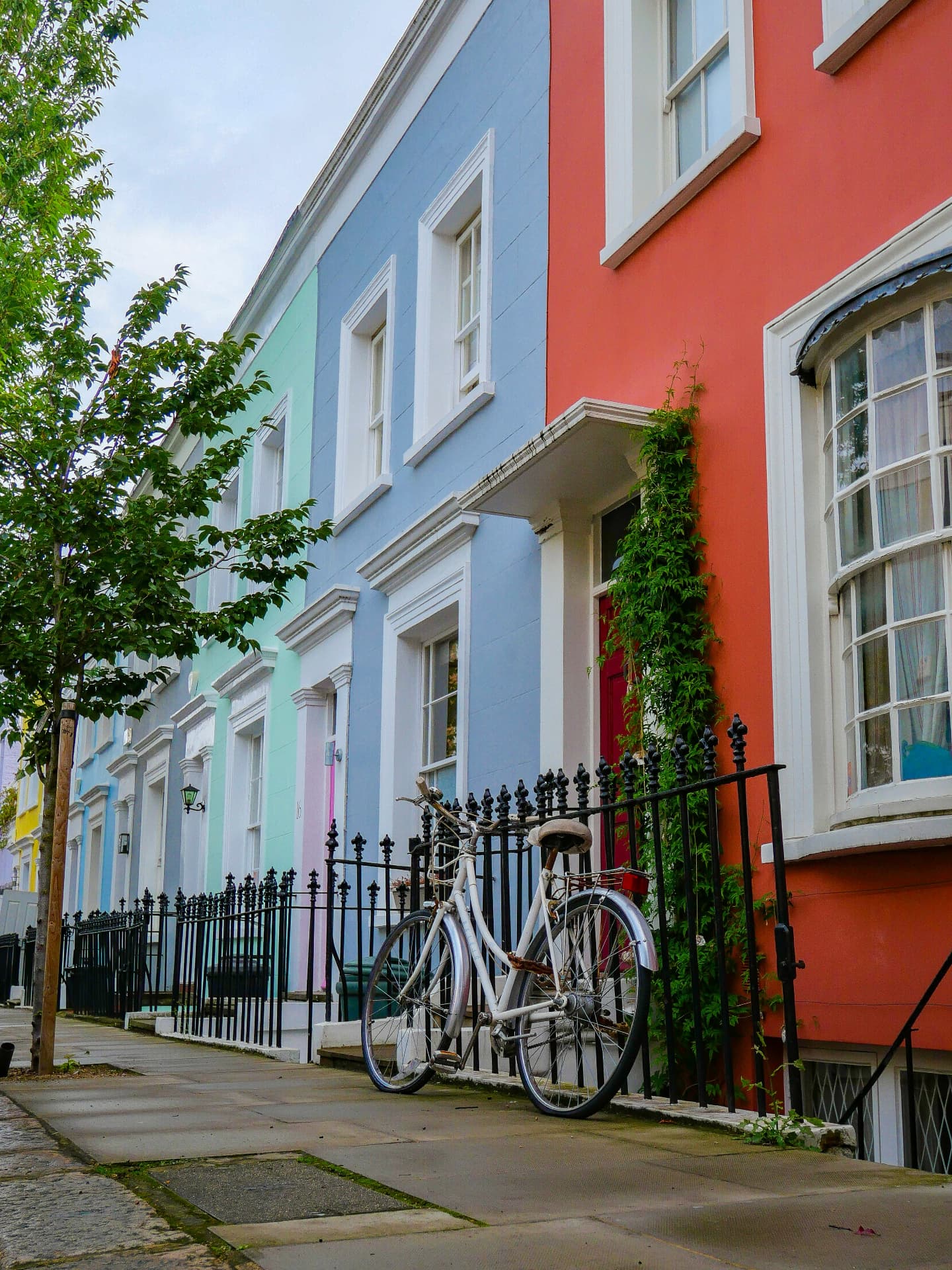
Living in Crouch End means embracing one of North London's most distinctive village atmospheres, where independent shops, thriving arts venues and leafy streets create a genuinely special residential enclave. Perched on a hill between Highgate and Hornsey, this neighbourhood has cultivated a bohemian character that attracts creative professionals, young families and established residents who value community spirit alongside proximity to central London. Our team at Seymont London has watched Crouch End evolve into one of the capital's most sought-after postcodes, balancing urban convenience with a remarkably village-like identity that sets it apart from neighbouring areas.
What Is Crouch End Like?
Crouch End radiates outward from the Clock Tower junction, where Broadway, Park Road and Tottenham Lane converge to form the neighbourhood's bustling heart. Independent cafés, delis, bookshops and boutiques line these streets, creating a retail landscape that feels refreshingly distinct from London's chain-dominated high streets. The Arthouse cinema, numerous theatre spaces and regular farmers' markets reinforce the area's cultural credentials.
The residential streets branching away from the commercial centre reveal handsome Victorian and Edwardian terraces, interspersed with purpose-built mansion blocks and occasional modern developments. Parkland Road, Crouch Hall Road and the tree-lined avenues near Queens Wood showcase the architectural quality that defines much of the housing stock. According to HM Land Registry data, the median property price stands at £592,000 across 726 recent sales, with flats achieving a median of £500,000 and terraced houses reaching £1,200,000.
Crouch End's community spirit manifests in residents' fierce loyalty to local businesses, active neighbourhood associations and the sort of genuine street-level interaction that feels increasingly rare in London. The population skews towards families and established professionals, creating a stable, neighbourly atmosphere that newcomers consistently cite as the area's greatest appeal.
Crouch End Lifestyle and Amenities
The Crouch End lifestyle centres on a remarkably self-contained village ecosystem. Residents can conduct most daily business without leaving the neighbourhood: artisan bakeries for morning pastries, award-winning butchers and fishmongers for evening meals, and enough restaurants to dine out several times weekly without repetition. The concentration of independent businesses creates a genuinely local economy that fosters familiarity between shopkeepers and customers.
Green space punctuates the urban fabric generously. Priory Park offers open lawns and a café within walking distance of the Broadway, whilst Queens Wood and Highgate Wood provide ancient woodland for weekend rambles. Alexandra Palace, visible from many Crouch End streets, sits just beyond the northern boundary, delivering panoramic London views, regular events and additional parkland.
For those considering [property for sale in Crouch End](/property-for-sale/crouch-end), the cultural amenities extend beyond shopping and dining. The Arthouse shows independent films, Hornsey Town Hall hosts markets and exhibitions, and numerous pubs feature live music. This rich cultural tapestry, combined with excellent primary schools and nurseries, explains why families dominate the buyer demographic our team encounters when valuing homes across the area.
Crouch End Transport Links
Crouch End transport connections represent the area's principal compromise: the neighbourhood lacks a London Underground station, relying instead on buses and the Overground network. Frequent bus services run from the Broadway to Finsbury Park (Victoria line, Piccadilly line and National Rail), Archway (Northern line) and Highgate (Northern line), typically reaching these stations within 10–15 minutes outside peak hours.
Crouch Hill and Harringay Green Lanes stations on the London Overground Gospel Oak to Barking line provide orbital connections across North and East London, though reaching central destinations usually requires a change. The W7 bus offers a direct link to Finsbury Park, whilst the W5 connects to Archway, giving residents choice in their onward journeys.
Driving remains viable for those heading beyond Zone 2, with the North Circular Road accessible within minutes and routes to the M1 and A1 straightforward. Parking presents fewer challenges than in more central neighbourhoods, with many period properties offering off-street spaces and controlled parking zones managing on-street availability. For detailed insights into local market conditions, explore our dedicated [Crouch End house prices](/house-prices/crouch-end) analysis.
Talk to Seymont
What's your home worth?
A considered view on price, timing and how to bring your London home to market — a personal reply within 24 hours.
Your property
Step 1 of 2Property Market and Investment Potential
The Crouch End property landscape offers considerable variety despite the area's compact footprint. Purpose-built flats, particularly those in well-maintained mansion blocks along Park Road and Shepherds Hill, dominate the lower price brackets, with HM Land Registry data showing a median flat price of £500,000. Conversion flats within Victorian houses provide characterful alternatives, often featuring original cornicing, high ceilings and period fireplaces.
Family houses command significant premiums, reflecting strong demand from buyers prioritising schools and green space. According to ONS rental data, a three-bedroom property typically achieves £2,225–£3,475 per calendar month, whilst larger four-bedroom homes reach £2,975–£4,650. Semi-detached properties recorded a median sale price of £1,031,000, whilst detached houses—rare in this predominantly terraced landscape—achieved £1,620,000.
For landlords exploring opportunities to [let your property in Crouch End](/let-your-property/crouch-end), tenant demand remains robust year-round. The professional demographic values the lifestyle amenities and village atmosphere, accepting slightly longer commutes in exchange for superior residential quality. Our team observes that well-presented properties with outside space or period features achieve particularly swift lets at premium rates.
Working with Seymont London in Crouch End
Our approach to [estate agents in Crouch End](/estate-agents/crouch-end) centres on understanding what makes this neighbourhood special: the irreplaceable combination of independent character, strong community and genuine village atmosphere within Zone 3. We recognise that Crouch End buyers aren't simply purchasing square footage—they're investing in a lifestyle and joining a distinctive community.
Whether you're searching for a garden flat near Priory Park, a family terrace within the catchment of sought-after primaries, or exploring rental yields on mansion block apartments, our team brings granular local knowledge to every instruction. We understand the micro-markets within Crouch End: which streets offer the quietest settings, where parking proves easiest, and how proximity to Parkland Road shops affects values.
The Crouch End market rewards patience and local expertise. Properties in prime positions attract multiple offers, whilst less prominent streets can offer relative value for buyers willing to walk an extra five minutes to the Broadway. Our collective experience across London's neighbourhoods allows us to position Crouch End accurately: not the cheapest North London option, but delivering exceptional lifestyle quality that justifies the premium for those who value community, culture and character above all else.
Talk to Seymont
What's your home worth?
A considered view on price, timing and how to bring your London home to market — a personal reply within 24 hours.
Your property
Step 1 of 2About the author
Julian ReyesLicensed Real Estate Agent
Julian has spent eleven years handling residential sales across west and central London, previously with the independent agencies Harlowe & Vance and Marchmont Row. He runs listings end to end, from pricing and presentation through to negotiating offers and holding chains together to completion. His writing focuses on the practical mechanics of buying and selling a home in a market where timing and preparation decide the outcome.
Licensed estate agent · 11 years in London residential sales
- Residential sales
- First-time buyers
- Offer negotiation
- Chain management
Frequently asked
- Is Crouch End a good place to live?
- Crouch End consistently ranks among North London's most desirable residential areas, offering a rare village atmosphere within Zone 3. The neighbourhood excels in independent shops, cultural venues, green spaces and community spirit, making it particularly popular with families and creative professionals. The main compromise is transport—no Underground station means relying on buses to reach Tube connections—but most residents consider this a worthwhile trade-off for the exceptional lifestyle quality.
- How much does it cost to buy or rent in Crouch End?
- According to HM Land Registry data, the median property price in Crouch End is £592,000, with flats achieving £500,000 and terraced houses £1,200,000. ONS rental figures show one-bedroom flats at £1,225–£1,925 per calendar month, two-bedroom properties at £1,675–£2,600, and three-bedroom homes at £2,225–£3,475. These figures reflect strong demand for the area's village character and amenities.
- What are the transport links like in Crouch End?
- Crouch End lacks its own Underground station, with residents using frequent bus services to reach Finsbury Park (Victoria, Piccadilly and National Rail), Archway (Northern line) and Highgate (Northern line) in 10–15 minutes. Crouch Hill and Harringay Green Lanes offer London Overground connections on the Gospel Oak to Barking line. Whilst the commute takes longer than areas with direct Tube access, many residents value the neighbourhood's character enough to accept this compromise.
- What is the Crouch End lifestyle like?
- The Crouch End lifestyle revolves around independent shops, cafés, restaurants and cultural venues clustered around the Clock Tower junction. Residents enjoy the Arthouse cinema, regular farmers' markets, artisan food shops and numerous gastropubs. Excellent green spaces including Priory Park, Queens Wood and nearby Alexandra Palace provide outdoor recreation. The strong sense of community and village atmosphere creates a lifestyle that feels distinct from typical London neighbourhoods.
- Is Crouch End good for families?
- Crouch End attracts significant numbers of families due to well-regarded primary schools, abundant green spaces, safe residential streets and child-friendly cafés and activities. The village atmosphere creates a genuine community feel where children can walk to local shops and parents connect through schools and parks. Property demand from families keeps values high, particularly for houses with gardens near popular school catchments, but most parents consider the family-oriented environment worth the premium.