Journal
Living in Canary Wharf
Written by Nina Castellano · Investment Property Advisor
Published 2 March 2026 · Updated 20 April 2026 · 4 min read
The short answer
Living in Canary Wharf places you at the heart of London's modern financial district, where sleek glass towers meet bustling waterfront promenades. Over the past three decades, this once-derelict dockland has transformed into one of the capital's most ambitious urban regeneration success stories, offering a distinctive blend of high-rise apartment living, international commerce and contemporary cultural amenities.
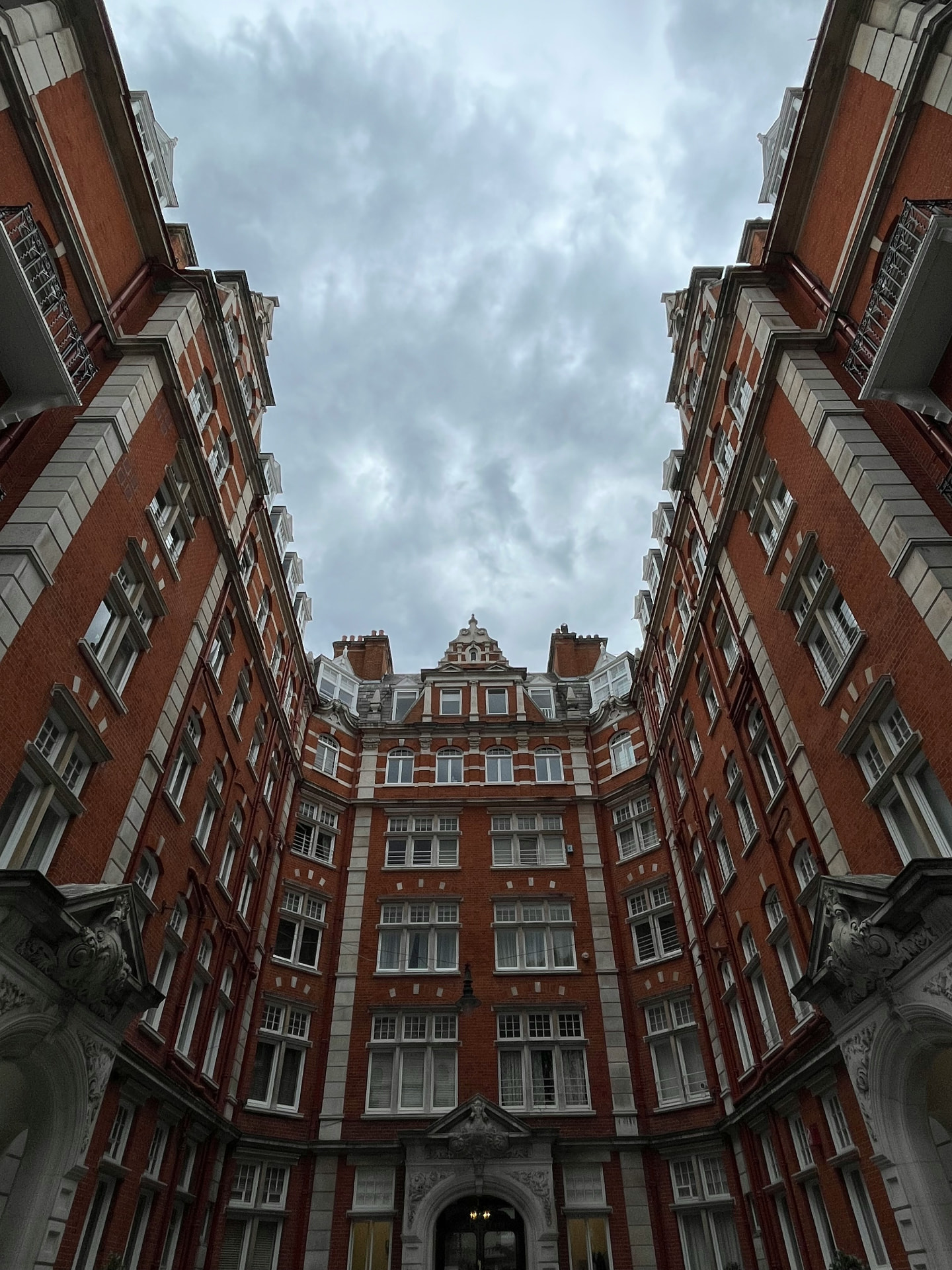
Living in Canary Wharf places you at the heart of London's modern financial district, where sleek glass towers meet bustling waterfront promenades. Over the past three decades, this once-derelict dockland has transformed into one of the capital's most ambitious urban regeneration success stories, offering a distinctive blend of high-rise apartment living, international commerce and contemporary cultural amenities. For professionals seeking a 24-hour neighbourhood with exceptional connectivity and world-class facilities, Canary Wharf presents a compelling proposition that stands apart from London's traditional residential quarters.
What Is Canary Wharf Like?
Canary Wharf's defining characteristic is its vertical urbanism. The skyline bristles with landmark towers—One Canada Square, the HSBC headquarters, Citi's European base—creating a Manhattan-esque silhouette that dominates the Isle of Dogs. Yet beneath this corporate veneer lies a surprisingly well-appointed residential community, with tree-lined squares, landscaped parks and an expanding roster of independent restaurants and boutiques.
The estate comprises predominantly modern developments, many with concierge services, residents' gyms and private terraces overlooking the Thames or the historic West India Quay. According to HM Land Registry data, 1,233 properties changed hands recently, with a median sale price of £435,000—testament to the area's appeal across various budgets. Flats dominate the market (1,085 sales at a median of £420,000), though terraced properties also feature (106 sales, median £650,000), offering surprising variety within this high-density enclave.
What sets Canary Wharf apart is its meticulously planned environment: underground shopping malls shield you from inclement weather, while the riverside paths provide uninterrupted walking and cycling routes eastward to Greenwich and westward towards Limehouse. The area maintains a distinctly international flavour, with more than 120,000 workers commuting daily and a residential population that prizes convenience, security and proximity to the Square Mile.
The Canary Wharf Lifestyle
The Canary Wharf lifestyle revolves around efficiency and aspiration. Many residents work within a five-minute walk of their front door, transforming the morning commute into a brief elevator ride or a stroll through the estate's climate-controlled malls. This proximity to employment hubs attracts City professionals, financial analysts and corporate lawyers who value time savings and the ability to maintain genuine work-life boundaries.
Cultural and leisure amenities have matured considerably. Crossrail Place Roof Garden offers an unexpected slice of greenery suspended above the Elizabeth line station, while Jubilee Park hosts open-air cinema screenings and seasonal markets. The estate now boasts Michelin-starred dining at Plateau, independent coffee roasters, artisan bakeries and a Waitress & Partners supermarket that caters to the discerning palate. Evening entertainment ranges from cocktail bars along West India Quay to live music at Canary Wharf's expanding roster of venues.
For families, the area provides access to nurseries, primary schools and abundant green space along the Thames Path. ONS rental data shows studio flats commanding £675–£1,075 per calendar month, one-bedroom apartments £900–£1,400, and two-bedroom homes £1,225–£1,925—reflecting the premium placed on modern, well-maintained accommodation. Our team at [Seymont London](/estate-agents/canary-wharf) regularly assists clients seeking [property for sale in Canary Wharf](/property-for-sale/canary-wharf), from studio apartments ideal for young professionals to three-bedroom penthouses designed for established families.
Canary Wharf Transport Connections
Canary Wharf transport infrastructure ranks among London's finest, a cornerstone of the area's appeal. The Jubilee line delivers Bond Street in 14 minutes and Waterloo in 12, placing the West End and South Bank within effortless reach. The Docklands Light Railway (DLR) radiates in multiple directions—north to Stratford, south to Lewisham, east to Beckton—offering unrivalled connectivity across East London's employment and leisure hubs.
The Elizabeth line transformed Canary Wharf's reach further still, connecting Heathrow Airport in under 45 minutes and enabling seamless journeys to Reading, Maidenhead and Essex. For road users, the Limehouse Link and Blackwall Tunnel provide rapid access to the A12 and M11, while Thames Clippers riverboat services offer a scenic commute to Westminster, Embankment and beyond.
Cyclists benefit from dedicated Cycle Superhighways and Santander Cycle docking stations throughout the estate, while pedestrian-priority zones ensure safe, pleasant walking routes. This transport abundance underpins much of Canary Wharf's residential desirability, enabling residents to traverse the capital with minimal friction.
Talk to Seymont
What's your home worth?
A considered view on price, timing and how to bring your London home to market — a personal reply within 24 hours.
Your property
Step 1 of 2Things to Do in Canary Wharf
Beyond work and residence, Canary Wharf offers a surprisingly diverse leisure portfolio. The Museum of London Docklands chronicles the area's maritime heritage, from Roman settlement through the height of Empire to contemporary regeneration. Art installations dot the public realm—bronze sculptures, kinetic pieces, rotating exhibitions in Cabot Square—transforming the estate into an open-air gallery.
Retail therapy spans from luxury boutiques at Cabot Place to high-street favourites in Canada Place and Jubilee Place shopping centres. Fitness enthusiasts enjoy access to premium gyms, climbing walls, yoga studios and the water sports available at nearby Docklands Sailing & Watersports Centre. Weekend markets bring artisan producers, street food vendors and live entertainment, fostering a genuine community atmosphere often absent from purely commercial districts.
The nearby O2 Arena provides world-class concerts and sporting events, while Greenwich's UNESCO World Heritage Site lies a short DLR journey southward. For those exploring [house prices in Canary Wharf](/house-prices/canary-wharf), these lifestyle amenities form part of the value equation, distinguishing the area from more peripheral developments.
Canary Wharf Apartments, Penthouses and Studios
The property stock reflects Canary Wharf's evolution. Early developments from the 1990s prioritised corporate accommodation, but recent schemes emphasise design-led architecture, private amenities and Thames-facing balconies. Studio flats appeal to first-time buyers and young professionals, offering entry points around £300,000–£450,000, while one-bedroom apartments typically range from £400,000 to £600,000.
Two-bedroom homes command £600,000–£900,000, often featuring open-plan living, floor-to-ceiling glazing and access to residents' lounges or rooftop terraces. At the premium end, Canary Wharf penthouses deliver expansive lateral space, private terraces and unobstructed skyline vistas, with prices extending beyond £2 million for the most distinguished addresses. According to HM Land Registry figures, terraced properties—rare but present—sold for a median of £650,000, offering an alternative typology for those seeking more traditional layouts.
Our team understands the nuances distinguishing one development from another: build quality, service charge efficiency, proximity to stations and future planning consents all influence long-term value. Whether you're considering a [studio flat in Canary Wharf](/property-for-sale/canary-wharf) or a family-sized penthouse, we provide tailored guidance grounded in comprehensive market knowledge and transparent client service.
Talk to Seymont
What's your home worth?
A considered view on price, timing and how to bring your London home to market — a personal reply within 24 hours.
Your property
Step 1 of 2About the author
Nina CastellanoInvestment Property Advisor
Nina advises landlords and investors on rental yields, tenant demand and portfolio structure across Greater London, after running lettings and management at Bellhouse Property Partners. She has overseen single units and multi-property portfolios, and works through compliance, void periods and running costs before a purchase is agreed. Her articles deal with the numbers behind a buy-to-let rather than the headline gross yield.
Lettings and portfolio management · 9 years in London rentals
- Buy-to-let
- Rental yields
- Portfolio strategy
- Landlord compliance
Frequently asked
- Is Canary Wharf a good place to live?
- Canary Wharf excels for professionals prioritising modern amenities, exceptional transport links and proximity to major employers. The area offers excellent security, well-maintained public spaces and a vibrant mix of dining and leisure options. However, it may feel too corporate for those seeking historic character or traditional village atmospheres. Families and young professionals alike find value here, provided the high-rise, contemporary aesthetic aligns with personal preferences.
- How much does it cost to rent in Canary Wharf?
- ONS data indicates studio flats rent for £675–£1,075 per calendar month, one-bedroom apartments £900–£1,400, and two-bedroom properties £1,225–£1,925. Three-bedroom homes range from £1,650 to £2,550, while larger four-bedroom residences command £2,200–£3,425. These figures reflect the area's premium positioning and the quality of modern accommodation available.
- What transport options serve Canary Wharf?
- Canary Wharf benefits from the Jubilee line, Docklands Light Railway, Elizabeth line and Thames Clippers river services. The Jubilee line reaches Bond Street in 14 minutes, while the Elizabeth line connects Heathrow in under 45 minutes. Multiple DLR branches serve Stratford, Lewisham and Beckton, and dedicated cycle routes facilitate two-wheeled commuting.
- Are there good schools near Canary Wharf?
- Canary Wharf offers access to nurseries and primary schools within the estate and neighbouring areas such as Limehouse and Poplar. Secondary education options include nearby state comprehensives and selective grammar schools in Tower Hamlets, plus independent schools across East London. Proximity to excellent transport links also enables families to access schools in other boroughs with relative ease.
- What is the average property price in Canary Wharf?
- HM Land Registry data shows a median sale price of £435,000 across 1,233 recent transactions. Flats sold for a median of £420,000, terraced properties £650,000, and semi-detached homes £739,000. Prices vary widely depending on size, specification and views, with studio apartments starting around £300,000 and luxury penthouses exceeding £2 million.