Journal
Is Wimbledon a Nice Place to Live?
Written by Amara Bennett · Property Market Analyst
Published 7 October 2025 · Updated 25 December 2025 · 7 min read
The short answer
Is Wimbledon a nice place to live? Here is our local view. When clients ask us whether Wimbledon is a nice place to live, we always respond with confidence: this south-west London district offers one of the capital's most compelling combinations of urban convenience and village charm.
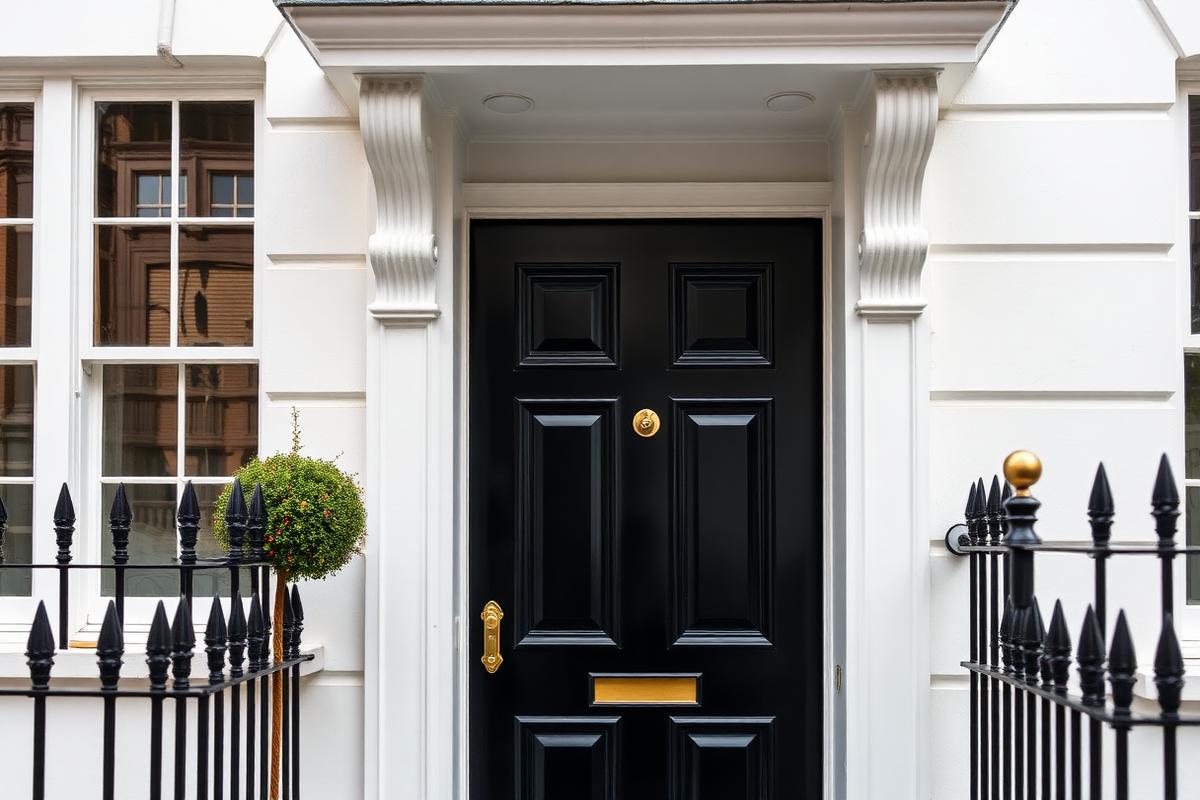
Is Wimbledon a nice place to live? Here is our local view. When clients ask us whether Wimbledon is a nice place to live, we always respond with confidence: this south-west London district offers one of the capital's most compelling combinations of urban convenience and village charm. From the tree-lined streets of Wimbledon Village to the bustling high street and the sprawling Common, SW19 has earned its reputation as a highly desirable postcode. At Seymont London, our team has witnessed sustained demand for properties across every corner of this diverse area, and for good reason. Whether you're drawn by the excellent schools, the green spaces, or the outstanding transport links, Wimbledon presents a lifestyle that few London neighbourhoods can match.
The Wimbledon Property Market: What to Expect
Understanding the local property landscape is essential when considering any London location. According to HM Land Registry Price Paid Data, Wimbledon recorded 346 property sales with a median price of £555,000 in the most recent period. This figure, however, tells only part of the story, as the market spans an impressive range of property types and price points.
Flats dominate the sales volume with 194 transactions at a median of £435,000, ranging from £154,000 to £2.2 million, making them accessible to first-time buyers and investors alike. Terraced properties commanded a median of £825,000 across 99 sales, whilst semi-detached homes reached £1.255 million. At the upper end, detached properties achieved a median of £3.15 million, with individual sales reaching £6.64 million, reflecting the exceptional quality of Wimbledon's family homes.
For those exploring rental options, ONS data reveals monthly rents ranging from £875–£1,350 for studios, £1,150–£1,800 for one-bedroom properties, and £1,575–£2,450 for two-bedroom homes. Three-bedroom properties command £2,075–£3,250, whilst larger family homes with five or more bedrooms reach £3,650–£5,700 per month. Our [estate agents in Wimbledon](/estate-agents/wimbledon) can provide detailed guidance on current availability across all price brackets.
These figures demonstrate Wimbledon's appeal across the entire property spectrum, from young professionals seeking their first flat to established families looking for substantial detached houses. The diversity of housing stock ensures that most buyers can find something suitable, provided they understand the nuances of each neighbourhood within the broader Wimbledon area.
Wimbledon Village and Neighbourhood Character
Wimbledon Village remains the jewel in the area's crown, with its boutique shops, independent cafes, and Georgian architecture creating an atmosphere more reminiscent of a Surrey market town than Zone 3 London. The High Street features artisan bakeries, delicatessens, and wine merchants alongside well-regarded restaurants, whilst the side streets reveal some of Wimbledon's most prestigious properties. This enclave attracts families and professionals who value both privacy and community, with the Village becoming particularly animated during the Championships fortnight each June.
South Wimbledon presents a markedly different character, offering more affordable housing and excellent transport connectivity via the Northern line. This area has experienced considerable regeneration in recent years, attracting a younger demographic and first-time buyers who appreciate the value proposition alongside Zone 3 accessibility. The neighbourhood provides a grittier, more urban feel compared to the Village, yet still benefits from Wimbledon's overall infrastructure and amenities.
Wimbledon Chase, situated towards Merton Park, offers a quieter residential environment with predominantly Edwardian and Victorian family homes. This pocket appeals to those seeking a slower pace whilst maintaining proximity to the town centre, with local primary schools and green spaces creating a genuinely suburban atmosphere within the SW20 postcode.
The common thread across these distinct neighbourhoods is quality of life. Whether you prefer the leafy lanes near the Common, the convenience of properties near Wimbledon station, or the village atmosphere of the High Street, each area delivers the essential Wimbledon benefits of green space, good schools, and connectivity.
Schools, Amenities and Community Life
Education consistently ranks among the primary drivers for families considering Wimbledon, and the area doesn't disappoint. Wimbledon High School, part of the Girls' Day School Trust, enjoys an outstanding reputation and regularly features in national league tables. The presence of numerous high-performing state primaries and secondaries, alongside independent options including Kings College School and Donhead, creates genuine choice for parents. This educational excellence inevitably influences property values, with homes within catchment areas of sought-after schools commanding premiums.
The area's retail and leisure offering extends well beyond the famous tennis club. Centre Court Shopping Centre provides high-street staples, whilst Wimbledon Village delivers boutique shopping experiences. For fitness enthusiasts, multiple gyms in Wimbledon cater to all preferences, from David Lloyd's comprehensive facilities to independent studios offering everything from yoga to strength training. The theatre, cinema, and regular farmers' market add cultural dimensions that many London suburbs lack.
Dining options span from casual cafes in Wimbledon to fine dining establishments, with particular concentrations along the Broadway and in the Village. The Dog & Fox and other traditional pubs sit alongside contemporary wine bars and international restaurants, ensuring variety for all tastes and occasions.
Wimbledon Common deserves special mention as one of south-west London's finest natural assets. Covering 1,140 acres, this Site of Special Scientific Interest provides riding, walking, and recreational opportunities that feel genuinely rural. Coupled with Wimbledon Park and its lake, residents enjoy green space access that rivals anywhere in the capital.
Talk to Seymont
What's your home worth?
A considered view on price, timing and how to bring your London home to market — a personal reply within 24 hours.
Your property
Step 1 of 2Pros and Cons of Living in Wimbledon
Every location presents trade-offs, and honest Wimbledon reviews from residents reveal both significant advantages and some limitations worth considering. On the positive side, transport connectivity ranks exceptionally high: the District line, National Rail services to Waterloo (just 17 minutes), and Thameslink connections via Wimbledon Chase provide multiple options for commuters. This accessibility, combined with the green spaces and village atmosphere, creates the ideal blend of convenience and quality of life.
The safety profile also weighs heavily in Wimbledon's favour. Whilst no London area is entirely crime-free, residents consistently report feeling secure, and the question 'is Wimbledon safe?' typically receives reassuring answers from those living here. Visible community policing, well-lit streets, and active neighbourhood watch schemes contribute to this perception. The area's family-oriented demographic creates streets where children play outside and neighbours look out for one another.
However, the pros and cons of living in Wimbledon must acknowledge some challenges. Property prices represent a significant barrier, with even modest flats requiring substantial budgets. Traffic congestion, particularly during the Championships and around the town centre during peak hours, frustrates many residents. Parking restrictions have tightened considerably, and finding spaces near the station or in the Village can prove challenging.
Another consideration involves the premium attached to the Wimbledon name. Some neighbouring areas—Raynes Park, Colliers Wood, or South Merton—offer comparable housing stock and similar transport links at lower price points. Buyers must decide whether the Wimbledon postcode and associated benefits justify the additional expenditure. Our [property for sale in Wimbledon](/property-for-sale/wimbledon) portfolio demonstrates this price spectrum clearly.
For those who can afford the entry point, however, most residents consider these drawbacks minor compared to the overall package. The combination of schools, transport, amenities, and community creates lasting appeal that sustains property values even during broader market corrections.
Investment Potential and Long-Term Outlook
From a pure investment perspective, Wimbledon demonstrates resilience that few London areas can match. The fundamentals—constrained supply of quality housing, sustained demand from families and professionals, excellent infrastructure, and strong schools—create conditions for long-term capital appreciation. Our team has observed consistent interest from both domestic and international buyers, with properties in prime positions rarely remaining on the market for extended periods.
The rental market presents equally compelling dynamics. Professional tenants value the transport connections for City and Canary Wharf commutes, whilst families prioritise school catchment areas and green spaces. Rental yields vary considerably by property type, with smaller flats near the station achieving better percentage returns, whilst larger family homes command premium absolute rents. Those considering buy-to-let should examine [house prices in Wimbledon](/house-prices/wimbledon) alongside rental data to model realistic returns.
Future infrastructure developments promise to enhance Wimbledon's appeal further. Crossrail 2, should it proceed, would place Wimbledon on a transformative transport artery linking Surrey to Hertfordshire via central London. Even without such major projects, ongoing regeneration around the town centre and improvements to station facilities continue incrementally enhancing the area's offering.
For sellers, Wimbledon's brand recognition provides distinct advantages. Properties here attract viewings from buyers who might overlook similar homes in less prominent postcodes. This visibility effect, combined with competition among applicants, often translates to stronger negotiating positions and quicker sales. Our [letting services in Wimbledon](/let-your-property/wimbledon) similarly benefit from this demand, with quality properties securing tenants rapidly.
Our Verdict: Who Should Choose Wimbledon?
After years serving clients across every London neighbourhood, we observe clear patterns regarding who thrives in Wimbledon. Families with school-age children represent the archetype, drawn by educational options and child-friendly environments. The Common, local sports clubs, and community activities create an infrastructure that supports family life exceptionally well. Properties with gardens, particularly in areas like Wimbledon Chase or near the Village, prove perennially popular with this demographic.
Professionals, particularly those working in central London or Canary Wharf, constitute another significant group. The transport connections enable reasonable commutes, whilst evenings and weekends offer escapes from urban intensity. Younger buyers often begin in flats near South Wimbledon station before progressing to terraced properties as families expand—a journey our team facilitates regularly.
Retiring downsizers increasingly recognise Wimbledon's appeal, selling larger family homes elsewhere in London or the Home Counties to purchase flats or smaller houses here. The combination of culture, amenities, transport for visiting family, and healthcare facilities creates an attractive proposition for this life stage.
Conversely, those seeking cutting-edge nightlife, edgy culture, or particularly affordable housing should look elsewhere. Wimbledon delivers polish and comfort rather than grit and experimentation. The premium pricing also excludes many buyers, making neighbouring areas more realistic for those with constrained budgets.
Ultimately, whether Wimbledon proves right for you depends on priorities. If green space, excellent schools, village atmosphere, and strong transport links align with your needs—and your budget stretches to accommodate the premium—few London locations deliver this combination more successfully. The sustained demand we witness across our portfolio suggests that thousands of residents and buyers agree with this assessment.
Talk to Seymont
What's your home worth?
A considered view on price, timing and how to bring your London home to market — a personal reply within 24 hours.
Your property
Step 1 of 2About the author
Amara BennettProperty Market Analyst
Amara spent seven years as a market analyst at Kestrel Lane Research, a small London property consultancy, before joining our editorial desk. She reads sold-price and rental data street by street to explain how individual London postcode districts actually behave, and reviews every price figure we publish. Her focus is separating headline national averages from what a specific address is worth today.
MSc Real Estate Economics · Seven years in property market research
- Valuations
- Local market data
- Sold prices
- Pricing strategy
Frequently asked
- Is Wimbledon expensive to live in?
- Yes, Wimbledon commands premium prices compared to many London areas. According to HM Land Registry data, the median property price stands at £555,000, with flats starting from around £435,000 and detached homes reaching medians of £3.15 million. Rental costs similarly reflect the area's desirability, with one-bedroom properties ranging from £1,150–£1,800 per month. The premium reflects excellent schools, transport links, and quality of life, but neighbouring areas like Raynes Park or Colliers Wood offer more affordable alternatives with similar connectivity.
- How safe is Wimbledon for families?
- Wimbledon enjoys a strong safety reputation, particularly in residential areas around the Village, Common, and towards Wimbledon Chase. The area benefits from active community policing, well-lit streets, and a family-oriented demographic that creates natural surveillance. Whilst no London area is entirely crime-free, Wimbledon's crime rates remain below Inner London averages, and residents consistently report feeling secure. Areas immediately around the station and town centre experience typical urban issues, but these rarely affect residential streets.
- What is the difference between Wimbledon Village and South Wimbledon?
- Wimbledon Village occupies the elevated area west of the town centre, characterised by Georgian architecture, boutique shops, independent cafes, and premium property prices. It offers a village atmosphere with tree-lined streets and proximity to the Common. South Wimbledon, served by the Northern line, presents a more urban character with predominantly Victorian conversions and purpose-built flats at lower price points. Both benefit from the broader Wimbledon infrastructure, but Village properties command substantial premiums for their exclusivity and setting.
- How long does it take to commute from Wimbledon to central London?
- Wimbledon offers excellent transport connectivity with multiple options. National Rail services reach London Waterloo in just 17 minutes, making it one of the fastest commutes from Zone 3. The District line provides Underground access to Victoria, Westminster, and the City, typically taking 25–35 minutes depending on your destination. Thameslink services via Wimbledon Chase connect to Blackfriars and beyond. This variety of routes provides resilience when disruptions affect individual lines and makes Wimbledon particularly attractive to commuters.
- Are there good gyms and cafes in Wimbledon?
- Wimbledon offers excellent fitness and dining options. Gyms include the comprehensive David Lloyd facility, independent studios like Frame and Third Space, budget options such as PureGym, and boutique offerings covering yoga, Pilates, and specialist training. For cafes, the Village features artisan establishments like Gail's and independent coffee shops, whilst the town centre and Broadway provide chains alongside local favourites. The dining scene spans casual brunches to fine dining, with particular concentrations around the High Street and Wimbledon Village, ensuring variety for all tastes and budgets.