Journal
Is Camberwell a Nice Place to Live?
Written by Julian Reyes · Licensed Real Estate Agent
Published 2 January 2026 · Updated 9 January 2026 · 6 min read
The short answer
Is Camberwell a nice place to live? This question comes up frequently among those considering a move to South London, and for good reason. Camberwell has undergone a remarkable transformation over the past two decades, evolving from an overlooked corner of SE5 into one of London's most characterful and culturally rich neighbourhoods.
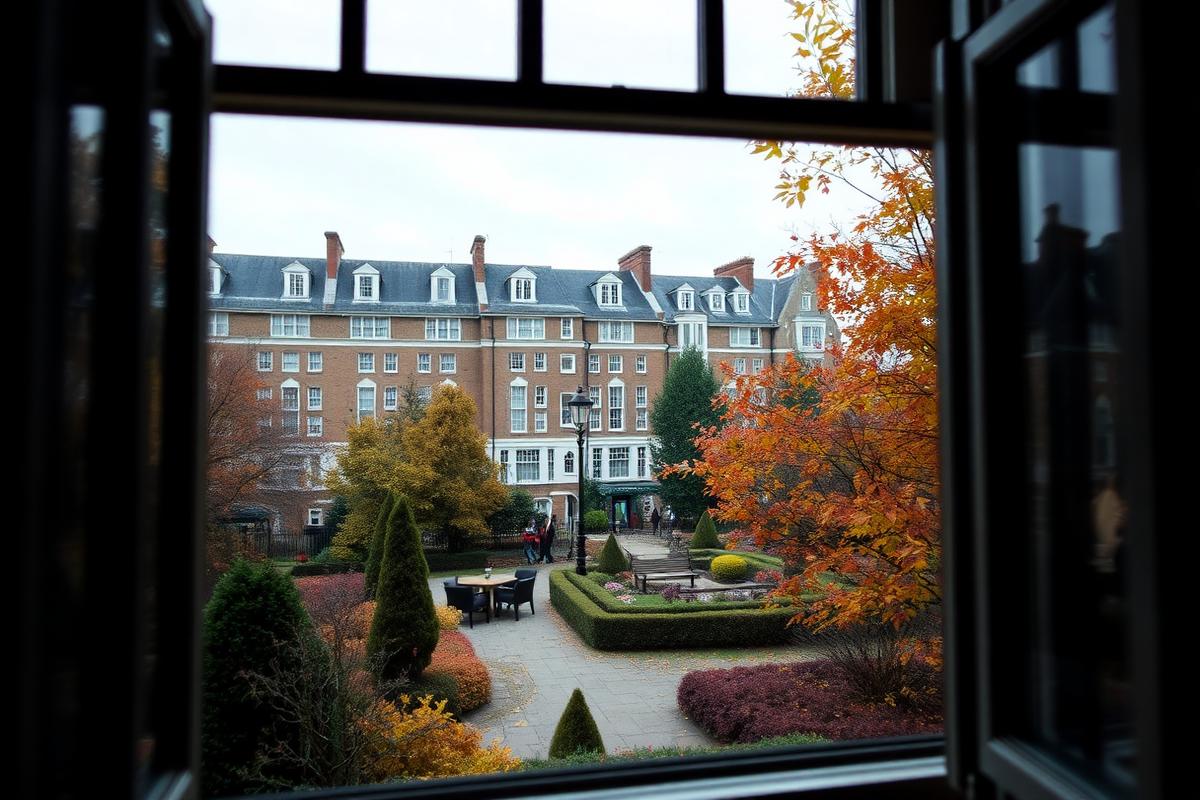
Is Camberwell a nice place to live? This question comes up frequently among those considering a move to South London, and for good reason. Camberwell has undergone a remarkable transformation over the past two decades, evolving from an overlooked corner of SE5 into one of London's most characterful and culturally rich neighbourhoods. With its independent spirit, thriving arts scene, and increasingly desirable property market, Camberwell offers something genuinely distinctive. Our team has worked extensively across this area, and we've witnessed firsthand how its unique blend of Victorian architecture, green spaces, and creative energy continues to attract discerning buyers and renters seeking authenticity over polish.
The Character and Appeal of Camberwell
Camberwell possesses a character that sets it apart from its more gentrified neighbours. Centred around Camberwell Green, the area retains an unpretentious edge that appeals to those seeking a genuine London village atmosphere rather than manufactured trendiness. The neighbourhood's artistic heritage runs deep, anchored by the prestigious Camberwell College of Arts, which has shaped the area's creative DNA for over a century.
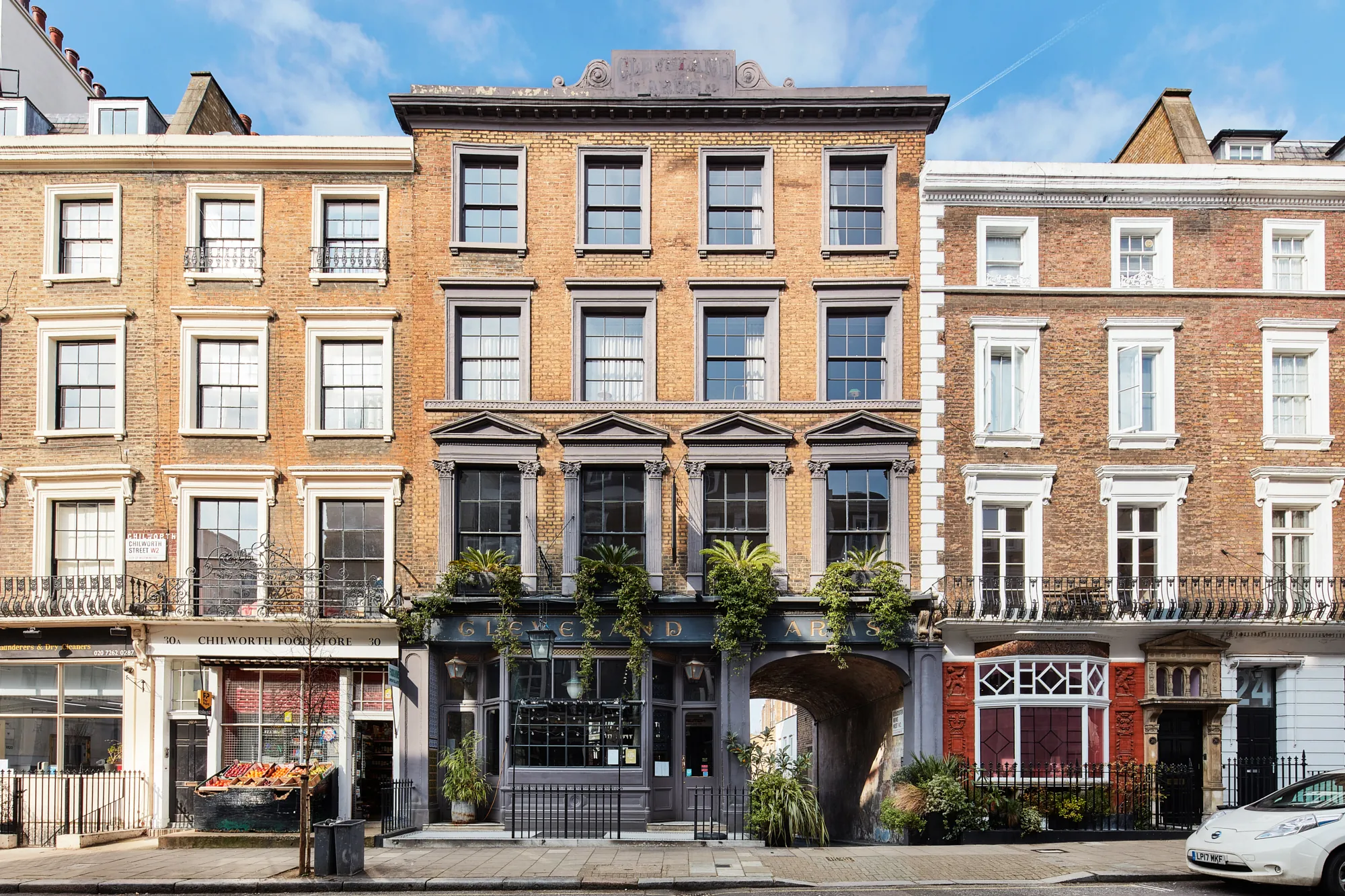
The high street along Denmark Hill and Camberwell Road offers an eclectic mix of Caribbean grocers, traditional pubs, Vietnamese restaurants, and independent cafés that reflect the area's rich cultural diversity. This isn't a neighbourhood of chain coffee shops and identikit boutiques; Camberwell celebrates its individuality. The Sunday market at the Butterfly Walk adds further colour, whilst the historic Camberwell Arms and The Hermits Cave have become destinations in their own right for food enthusiasts across London.
Green space punctuates the urban landscape generously. Burgess Park, one of South London's largest green expanses, sits on the doorstep, offering 56 hectares of parkland, a lake, sports facilities, and community gardens. Ruskin Park to the south provides another welcome retreat with its hilltop views across the city. For families and those seeking outdoor pursuits, these spaces prove invaluable.
Property Market and Prices in Camberwell
According to HM Land Registry data, the median property price in Camberwell stands at £462,500 based on 130 recorded sales. This represents considerable value compared to neighbouring areas such as Dulwich or Peckham Rye, making Camberwell particularly attractive to first-time buyers and investors seeking growth potential within Zone 2.
Flats dominate the market, accounting for 100 of the recorded transactions with a median price of £429,000. Victorian conversions and purpose-built apartments offer entry points from around £160,000 for smaller units, extending to £810,000 for premium flats. For those seeking houses for sale in Camberwell, terraced properties command a median of £873,000, whilst semi-detached homes sit at £776,000. The limited stock of detached properties reflects the area's urban density, with just two sales recorded at a median of £1,556,500.
The rental market shows similar accessibility. ONS data indicates studio flats range from £725 to £1,125 per month, whilst one-bedroom properties typically fall between £950 and £1,500. Two-bedroom homes command £1,300 to £2,025, making Camberwell an attractive option for those priced out of more expensive South London postcodes. Our [Camberwell property listings](/property-for-sale/camberwell) consistently attract strong interest from buyers who recognise the area's value proposition.
For investors and landlords, Camberwell's proximity to King's College Hospital, the Maudsley Hospital, and several educational institutions creates steady rental demand. We regularly advise clients on [letting property in Camberwell](/let-your-property/camberwell), where yields remain competitive and tenant demand proves robust year-round.
Transport Links and Connectivity
Camberwell's transport situation presents both opportunities and limitations. The area lacks an Underground station, which has historically kept property prices more accessible than comparable Zone 2 locations. However, connectivity remains strong through extensive bus networks and nearby rail links.
Numerous bus routes traverse Camberwell, with services running along Camberwell New Road, Denmark Hill, and Camberwell Road connecting to central London, the South Bank, and neighbouring areas. Denmark Hill station, serving the southern edge of Camberwell, provides Thameslink services to Blackfriars, City Thameslink, and beyond, with London Bridge accessible within ten minutes. Loughborough Junction and Oval stations also sit within walking distance for many residents.
Cyclists benefit from improving infrastructure, with Camberwell's relatively flat terrain and growing network of quietways making bicycle commuting increasingly practical. The journey to Waterloo takes approximately twenty-five minutes by bike, whilst the City sits around thirty minutes away. For drivers, the South Circular runs nearby, though parking restrictions apply across much of the area and congestion remains a consideration during peak hours.
Talk to Seymont
What's your home worth?
A considered view on price, timing and how to bring your London home to market — a personal reply within 24 hours.
Your property
Step 1 of 2Is Camberwell Safe? Community and Living Standards
Safety considerations naturally feature in any assessment of whether Camberwell is a nice place to live. Like many inner-city London neighbourhoods, Camberwell experiences varied crime levels across different streets and times. Camberwell reviews from residents frequently highlight the importance of choosing your specific location carefully, with streets closer to Camberwell Green and Denmark Hill generally considered more desirable than pockets further east.
The area has seen sustained investment in community policing and neighbourhood initiatives over recent years, contributing to gradual improvements. Our team observes that many residents feel comfortable here, particularly those familiar with urban London living. The strong sense of community, bolstered by active residents' associations and local groups, contributes positively to the area's atmosphere.
Camberwell's diversity constitutes one of its greatest strengths. The neighbourhood genuinely reflects multicultural London, with established African, Caribbean, Latin American, and Asian communities contributing to its vibrant character. This diversity manifests in the area's restaurants, shops, places of worship, and community events throughout the year. For those seeking an authentic London experience rather than a sanitised version, Camberwell delivers abundantly.
Weighing the Pros and Cons of Living in Camberwell
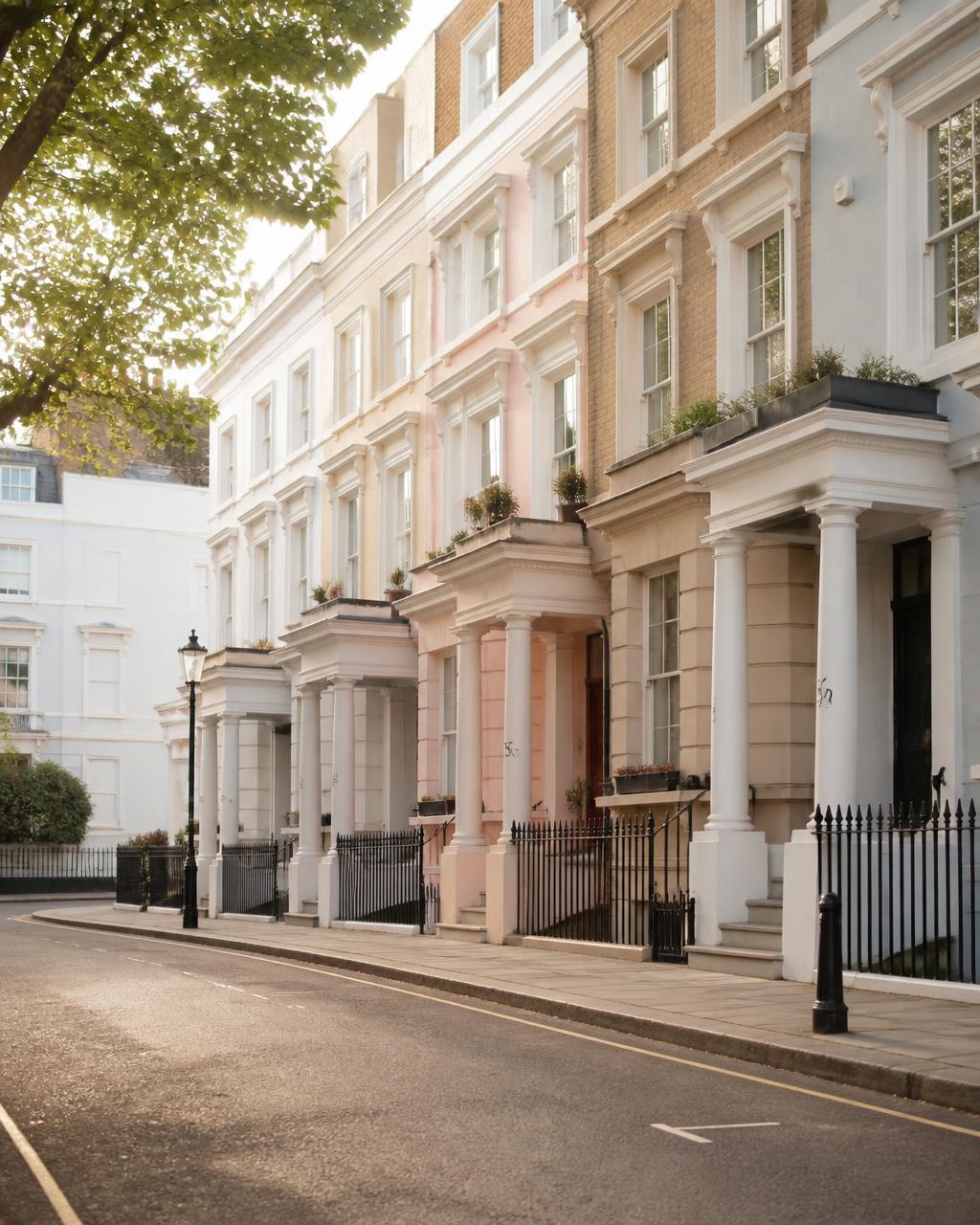
Every neighbourhood presents trade-offs, and understanding the pros and cons of living in Camberwell helps prospective residents make informed decisions. On the positive side, property values remain more accessible than much of inner South London, offering buyers and renters more space for their budget. The area's creative energy, independent businesses, and cultural diversity create a genuinely interesting place to call home rather than a homogenised postcode.
Camberwell's green spaces, improving high street, and strong community spirit appeal particularly to young professionals, creative types, and families seeking character over conformity. The proximity to central London without premium pricing represents considerable value, whilst the area's ongoing evolution suggests further appreciation potential. Our experience with [house prices in Camberwell](/house-prices/camberwell) indicates steady growth trajectories that reward patient investors.
Conversely, the absence of tube connectivity may deter some commuters, particularly those working in West London or beyond. Parts of Camberwell retain a gritty edge that won't suit everyone, and the area lacks the polished amenities found in wealthier neighbourhoods. Street cleanliness and maintenance standards vary, and some Victorian conversions require significant updating. Traffic congestion along main thoroughfares can prove frustrating, and parking remains challenging for residents without dedicated spaces.
School choices present a mixed picture. Whilst several good primary schools serve the area, secondary provision often sees families looking beyond immediate catchments. Those prioritising outstanding-rated schools may need to consider this carefully during their property search.
Our Assessment: Who Thrives in Camberwell?
Through years of helping clients find homes across London, our team has identified particular profiles who flourish in Camberwell. Creative professionals, artists, and those working in media or academia frequently find the area's character aligns beautifully with their values. Young families seeking space and community without eye-watering price tags discover Camberwell offers room to grow, both literally and financially.
First-time buyers able to look beyond surface aesthetics often recognise Camberwell's potential, securing properties that would prove unaffordable in Clapham or Dulwich. Renters prioritising location over luxury find the area provides excellent access to central London employment hubs whilst maintaining distinct neighbourhood identity. Healthcare professionals working at the area's major hospitals naturally gravitate here, valuing the convenient commute.
Camberwell rewards those willing to embrace its imperfections and appreciate its authenticity. This isn't a neighbourhood for those seeking manicured perfection or comprehensive high-street chains. Rather, it suits independent spirits who value substance over style, community over status, and character over conformity. If you're drawn to areas with genuine soul, diverse communities, and tangible creative energy, Camberwell merits serious consideration.
Our [estate agents in Camberwell](/estate-agents/camberwell) work daily with buyers and renters discovering what this neighbourhood offers. The consistent feedback emphasises that whilst Camberwell may not suit everyone, those who connect with its particular energy rarely regret their choice. The area continues evolving, improving, and attracting residents who recognise its distinctive appeal within London's vast property landscape.
Talk to Seymont
What's your home worth?
A considered view on price, timing and how to bring your London home to market — a personal reply within 24 hours.
Your property
Step 1 of 2About the author
Julian ReyesLicensed Real Estate Agent
Julian has spent eleven years handling residential sales across west and central London, previously with the independent agencies Harlowe & Vance and Marchmont Row. He runs listings end to end, from pricing and presentation through to negotiating offers and holding chains together to completion. His writing focuses on the practical mechanics of buying and selling a home in a market where timing and preparation decide the outcome.
Licensed estate agent · 11 years in London residential sales
- Residential sales
- First-time buyers
- Offer negotiation
- Chain management
Frequently asked
- What is the average house price in Camberwell?
- According to HM Land Registry data, the median property price in Camberwell is £462,500. Flats have a median price of £429,000, terraced houses £873,000, and semi-detached properties £776,000. Prices vary significantly based on property type, condition, and specific location within the SE5 postcode.
- Does Camberwell have good transport links?
- Camberwell lacks an Underground station but benefits from excellent bus connectivity with numerous routes to central London, the South Bank, and surrounding areas. Denmark Hill station provides Thameslink services reaching London Bridge in approximately ten minutes, whilst Loughborough Junction and Oval stations are also accessible. The area particularly suits cyclists, with improving infrastructure and relatively flat routes to the City and West End.
- Is Camberwell suitable for families with children?
- Camberwell can work well for families, offering more affordable property prices than many neighbouring areas, excellent green spaces including Burgess Park and Ruskin Park, and strong community networks. Several good primary schools serve the area, though secondary school options often see families looking beyond immediate catchments. The diverse, creative atmosphere appeals to families seeking character and value over polished perfection.
- What is there to do in Camberwell?
- Camberwell offers a thriving independent food and drink scene, including acclaimed gastropubs like the Camberwell Arms, diverse restaurants reflecting the area's multicultural character, and independent cafés. Burgess Park provides extensive outdoor recreation, whilst the Camberwell College of Arts contributes cultural events and exhibitions. The South London Gallery sits nearby, and the area's Sunday market and independent shops create a distinctive retail experience quite different from chain-dominated high streets.
- How much does it cost to rent in Camberwell?
- According to ONS data, rental prices in Camberwell range from £725–£1,125 per month for studios, £950–£1,500 for one-bedroom properties, and £1,300–£2,025 for two-bedroom homes. Three-bedroom properties typically cost £1,750–£2,725 monthly, whilst larger family homes command £2,325–£3,625 for four bedrooms and £3,050–£4,750 for five or more bedrooms. These figures represent considerably better value than many comparable Zone 2 locations across South London.