Journal
Fulham Property Market Report: Your Complete Guide to SW6
Written by Nina Castellano · Investment Property Advisor
Published 30 June 2026 · Updated 17 July 2026 · 6 min read
The short answer
The Fulham property market continues to demonstrate the resilience and appeal that have long characterised this distinguished corner of south-west London. With 273 recorded sales and a median property price of £725,000 according to HM Land Registry data, Fulham maintains its position as one of the capital's most sought-after residential locations.
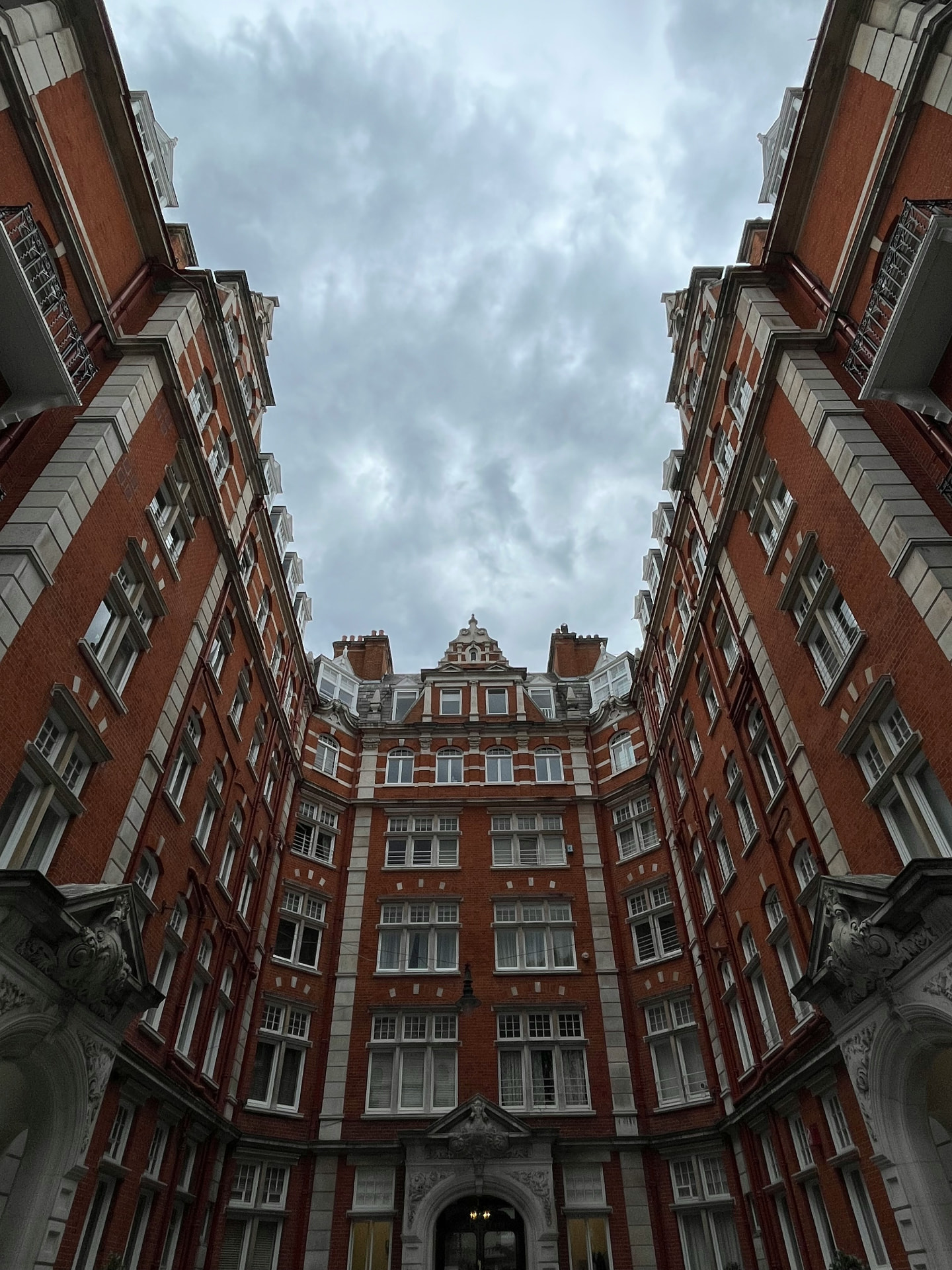
The Fulham property market continues to demonstrate the resilience and appeal that have long characterised this distinguished corner of south-west London. With 273 recorded sales and a median property price of £725,000 according to HM Land Registry data, Fulham maintains its position as one of the capital's most sought-after residential locations. Our team at Seymont London has witnessed firsthand how the riverside charm, village atmosphere and exceptional transport links combine to create a housing market that rewards both homeowners and investors alike. This report examines the latest price trends, rental yields, and market dynamics shaping property decisions across SW6.
Current Fulham Housing Market Overview
The latest HM Land Registry figures paint a nuanced picture of the Fulham housing market, with flats dominating transaction volumes at 199 sales compared to 58 terraced properties. The median flat price sits at £625,000, offering a more accessible entry point into this prestigious postcode, whilst terraced homes command a substantial premium at £1,489,500—reflecting the enduring demand for family housing with outdoor space.
Semi-detached properties, though scarce with only four recorded sales, achieved a median of £2,215,000, underlining the premium attached to detached or semi-detached living in an area where such homes remain exceptionally rare. The market's diversity extends from apartments at £157,500 to terraced houses reaching £3,137,500, demonstrating Fulham's ability to cater to various buyer profiles from first-time purchasers to established families.
What distinguishes the current market landscape is the concentration of activity around Fulham Broadway and the riverside developments stretching along Fulham Palace Road. These areas benefit from immediate access to the District line whilst maintaining the leafy, village-like character that makes SW6 so distinctive. Our observations suggest that properties within walking distance of the Thames Path and Bishops Park command particular interest, especially those offering period features combined with contemporary interiors.
The 'other' category, comprising 12 sales at a median of £590,000, typically includes new-build apartments, converted commercial spaces, and mixed-use developments—segments that have grown as Fulham's urban fabric continues to evolve whilst preserving its historic charm.
Fulham Price Trends and Market Dynamics
Understanding Fulham price trends requires appreciation of the area's distinct micro-markets, each exhibiting different value trajectories. The northern reaches near Fulham Broadway station have seen sustained interest from young professionals and downsizers attracted by the concentration of restaurants, independent shops, and cultural amenities. Meanwhile, the streets between New Kings Road and the Thames draw families seeking proximity to outstanding schools and green spaces.
The pricing spectrum reflects remarkable diversity: flats range from £157,500 to £2,443,500, whilst terraced properties span £500,000 to £3,137,500 according to HM Land Registry records. This breadth indicates a market accommodating everything from compact studio investments to substantial family homes with the period details and garden proportions that define prime Fulham.
We've observed that properties requiring modernisation increasingly attract buyers with renovation ambitions, particularly those Victorian and Edwardian terraces where sympathetic refurbishment can unlock substantial value. Conversely, turnkey homes with architect-designed extensions and landscaped gardens achieve premium pricing, often exceeding asking prices when multiple parties compete.
The relative scarcity of available stock compared to buyer demand continues to underpin price stability. Fulham's finite geography—bounded by the Thames, Chelsea, and Hammersmith—naturally constrains supply, whilst its appeal broadens with each enhancement to local infrastructure and amenities. The forthcoming improvements to Fulham's transport connections and public realm promise to reinforce this dynamic.

Rental Market Analysis: Yields and Tenant Demand
The rental landscape across Fulham demonstrates robust demand across all property sizes, with ONS data revealing studio flats commanding between £1,150 and £1,775 per calendar month. One-bedroom apartments achieve £1,500 to £2,350, whilst two-bedroom properties—the most sought-after configuration for professional sharers and young couples—range from £2,050 to £3,200 monthly.
Family-sized accommodation commands premium rents, with three-bedroom properties fetching £2,725 to £4,275, four-bedroom homes achieving £3,650 to £5,700, and five-bedroom houses reaching £4,775 to £7,475 per calendar month. These figures reflect Fulham's exceptional schools, parks, and family-friendly infrastructure that justify the premium for tenants prioritising quality of life alongside location.
Our team regularly works with landlords whose portfolios benefit from Fulham's tenant profile: a mixture of relocating professionals, international families on corporate assignments, and established Londoners between purchases. This diversity provides resilience against market fluctuations, as demand rarely contracts significantly across all segments simultaneously.
For investors evaluating rental yields, the mathematics vary considerably by property type. Smaller flats near Fulham Broadway typically deliver stronger percentage returns, whilst larger family homes along tree-lined streets south of Fulham Road offer lower yields but greater capital appreciation potential and tenant stability. Understanding these dynamics proves essential when considering whether <a href="/let-your-property/fulham">letting your Fulham property</a> aligns with your investment objectives.
Talk to Seymont
What's your home worth?
A considered view on price, timing and how to bring your London home to market — a personal reply within 24 hours.
Your property
Step 1 of 2Is Fulham a Good Investment? Long-Term Prospects
When examining whether Fulham represents sound investment, several structural advantages emerge beyond the immediate pricing data. The area's transport infrastructure—anchored by Fulham Broadway on the District line, with Putney Bridge and Parsons Green stations providing alternative access—ensures connectivity to the City, West End, and Canary Wharf that remains fundamental to residential values.
Fulham's retail and hospitality landscape has matured considerably, with the restaurants around Fulham Broadway, Parsons Green, and the riverside creating a lifestyle offer that rivals neighbouring Chelsea whilst maintaining a more relaxed, village-like atmosphere. This quality-of-life premium translates directly into property values, as buyers increasingly prioritise neighbourhoods where daily amenities sit within walking distance.
The area's educational provision, spanning outstanding state primaries and prestigious independent schools, ensures sustained family demand regardless of broader economic headwinds. Properties within catchment areas of top-performing schools consistently achieve premiums, with savvy investors recognising that these fundamentals underpin long-term capital growth.
Looking at the available <a href="/property-for-sale/fulham">property for sale in Fulham</a>, the current median of £725,000 positions the market at a level where value remains achievable compared to neighbouring postcodes, whilst the established infrastructure and community maturity reduce the risk profile compared to emerging areas. The challenge lies in securing suitable opportunities within a constrained supply environment—an obstacle our <a href="/estate-agents/fulham">Fulham estate agents</a> help clients navigate through market knowledge and off-market connections.
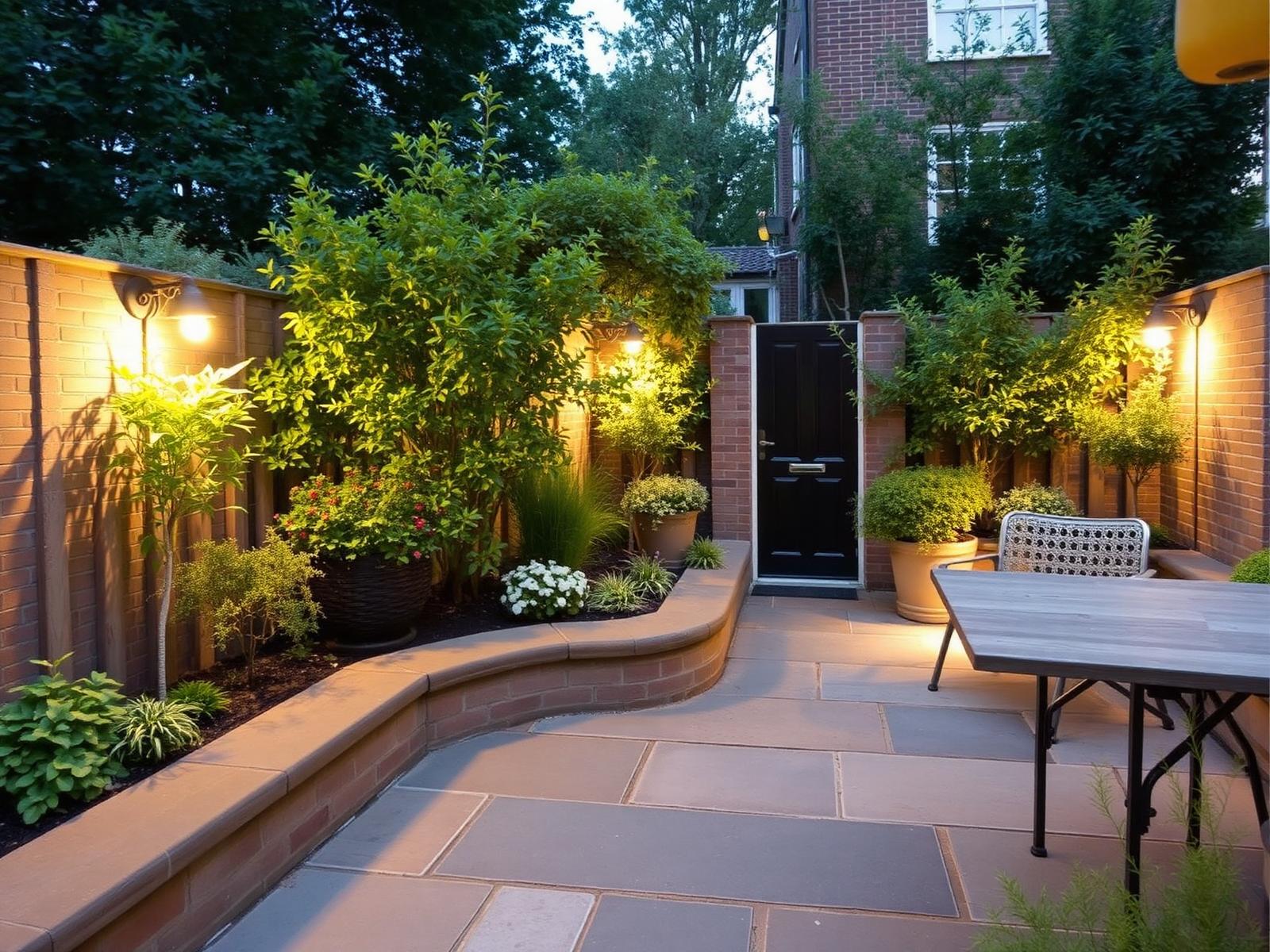
Neighbourhood Appeal: Why Buyers Choose Fulham
Beyond the statistics, Fulham's enduring appeal stems from intangible qualities that data alone cannot capture. The Thames-side location provides both psychological and practical benefits—riverside walks, rowing clubs, and the visual respite of water create a sense of escape rare in inner London. Bishops Park, Hurlingham Park, and the grounds surrounding Fulham Palace offer green spaces that enhance daily life and property desirability.
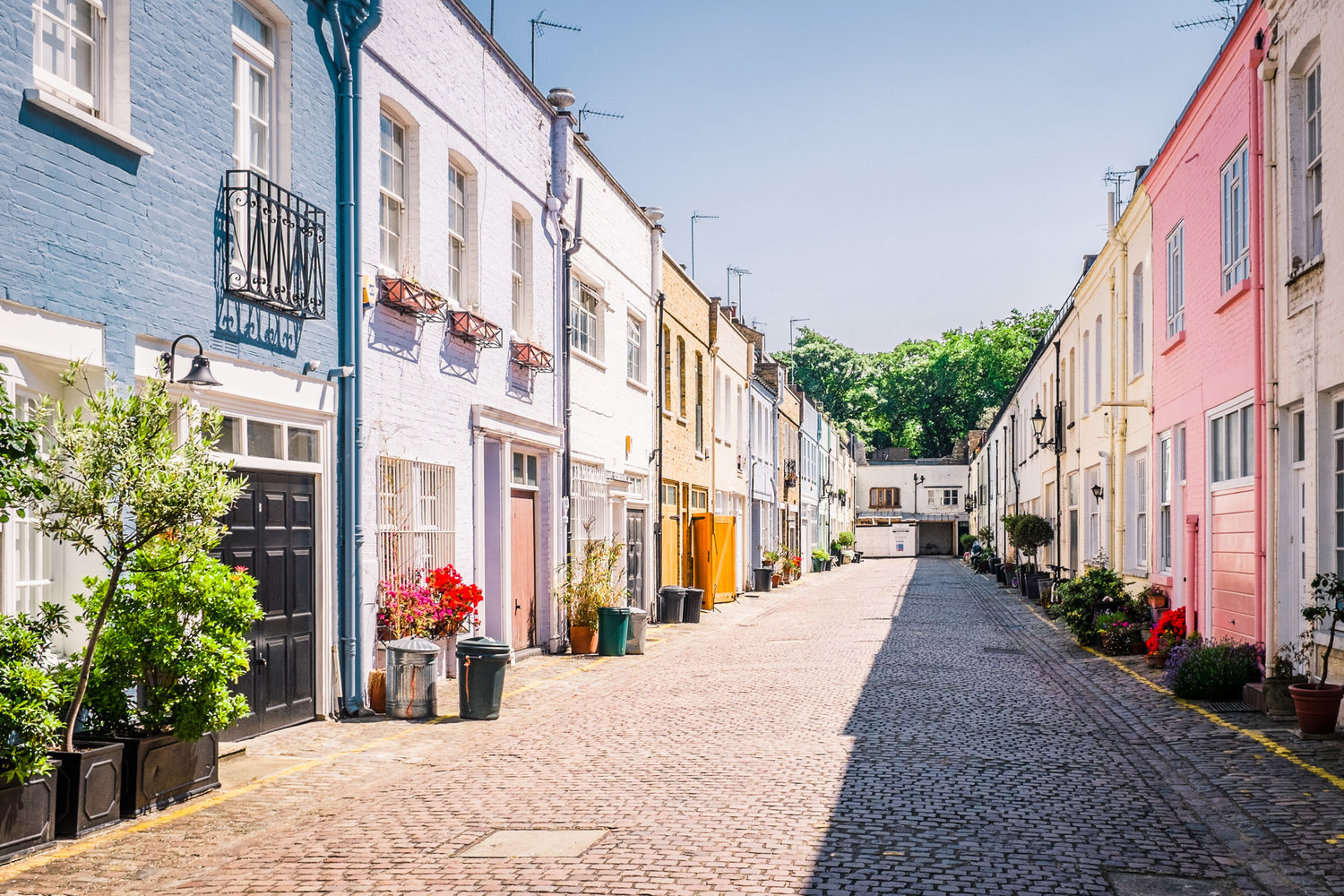
Fulham's stadium, home to Fulham Football Club at Craven Cottage, contributes to the area's distinct identity without dominating it—a sporting heritage that adds character whilst maintaining residential tranquillity most days. The streets around Cloncurry Street and the terraces backing onto communal gardens exemplify the architectural consistency and planning coherence that make Fulham particularly photogenic and pleasant for walking.
The community dimension deserves emphasis: farmers' markets, independent shops, and neighbourhood institutions create social infrastructure that newer developments struggle to replicate. This sense of established community, combined with excellent schools and parks, explains why families who move to Fulham often remain for decades, reducing turnover and creating the stability that supports property values.
For those exploring <a href="/house-prices/fulham">house prices in Fulham</a>, understanding these qualitative factors proves as important as analysing the quantitative data. The premium attached to Fulham properties reflects not merely bricks and mortar but access to a lifestyle and community that continue to evolve whilst preserving the characteristics that first attracted residents generations ago.
Market Outlook and Buying Considerations
The forward trajectory for Fulham's property market balances several competing forces. Ongoing infrastructure improvements, including potential Crossrail 2 connections and public realm enhancements, promise to further improve accessibility and liveability. Meanwhile, London's chronic undersupply of quality housing relative to demand suggests continued price support, particularly for well-presented homes in prime locations.
Buyers entering the market today face a more selective environment than during the frenzied conditions of recent years, creating opportunities for those prepared to move decisively on suitable properties. The median flat price of £625,000 offers a realistic entry point for professional couples and downsizers, whilst the terraced house median of £1,489,500 remains achievable for established families willing to consider properties requiring cosmetic updating.
We anticipate continued interest from international buyers attracted by Fulham's schools, green spaces, and community atmosphere—factors that transcend short-term economic fluctuations. The area's multicultural character, combining British heritage with global perspectives, creates an environment where international families integrate seamlessly whilst maintaining connections to home countries.
Whether you're a first-time buyer, growing family, or investor assessing opportunities, Fulham's combination of established infrastructure, community maturity, and development potential positions it favourably within London's property landscape. The fundamentals supporting values remain robust, whilst the lifestyle offer continues improving—a combination that answers the investment question with cautious optimism grounded in structural advantages rather than speculative hope.
Talk to Seymont
What's your home worth?
A considered view on price, timing and how to bring your London home to market — a personal reply within 24 hours.
Your property
Step 1 of 2About the author
Nina CastellanoInvestment Property Advisor
Nina advises landlords and investors on rental yields, tenant demand and portfolio structure across Greater London, after running lettings and management at Bellhouse Property Partners. She has overseen single units and multi-property portfolios, and works through compliance, void periods and running costs before a purchase is agreed. Her articles deal with the numbers behind a buy-to-let rather than the headline gross yield.
Lettings and portfolio management · 9 years in London rentals
- Buy-to-let
- Rental yields
- Portfolio strategy
- Landlord compliance
Frequently asked
- What is the average property price in Fulham?
- According to HM Land Registry data, the median property price in Fulham currently stands at £725,000 across all property types. However, this varies significantly by property category: flats have a median price of £625,000, whilst terraced houses command £1,489,500. Semi-detached properties, though rare, achieve around £2,215,000. These figures reflect Fulham's position as an established, desirable area of south-west London with excellent transport links and amenities.
- Is Fulham a good area for rental investment?
- Fulham offers strong rental investment potential due to consistent tenant demand from professionals, families, and international relocators. ONS data shows studio flats achieving £1,150–£1,775 monthly, whilst two-bedroom properties command £2,050–£3,200. The area's proximity to central London via Fulham Broadway station, excellent schools, riverside parks, and vibrant restaurant scene create sustained rental demand. Yields vary by property type, with smaller flats near transport hubs typically delivering stronger percentage returns.
- How does Fulham compare to neighbouring areas like Chelsea and Hammersmith?
- Fulham typically offers better value than neighbouring Chelsea whilst maintaining similar period architecture, riverside access, and community atmosphere. The median Fulham property price of £725,000 provides a more accessible entry point than Chelsea, whilst offering superior lifestyle amenities compared to Hammersmith. Fulham combines village-like charm with excellent transport connections, outstanding schools, and green spaces including Bishops Park and Hurlingham Park, creating a balanced proposition for families and professionals alike.
- What types of properties are most common in Fulham?
- Flats dominate the Fulham market, representing 199 of the 273 recorded sales in recent HM Land Registry data. These range from Victorian conversions to modern riverside developments. Terraced houses, particularly Victorian and Edwardian properties with period features, represent the next largest segment with 58 sales. Semi-detached homes remain exceptionally rare with only four sales recorded, reflecting Fulham's dense urban character and the scarcity of detached housing stock in this established London neighbourhood.
- Which parts of Fulham are most popular with buyers?
- Areas around Fulham Broadway attract young professionals and downsizers due to excellent transport links and vibrant restaurants. The streets between New Kings Road and the Thames, particularly those near Bishops Park and along Fulham Palace Road, prove most popular with families seeking period homes, gardens, and proximity to outstanding schools. Riverside developments appeal to buyers prioritising views and access to the Thames Path. Properties near Parsons Green station also command strong interest for their village atmosphere and independent shops.