Journal
Fulham Area Guide
Written by Thomas Lindqvist · Mortgage & Financing Specialist
Published 1 March 2026 · Updated 15 May 2026 · 6 min read
The short answer
Fulham has evolved into one of West London's most desirable residential destinations, combining Victorian and Edwardian elegance with contemporary urban living. This Fulham area guide explores why discerning buyers and tenants continue to be drawn to its tree-lined streets, riverside walks and vibrant high streets.

Fulham has evolved into one of West London's most desirable residential destinations, combining Victorian and Edwardian elegance with contemporary urban living. This Fulham area guide explores why discerning buyers and tenants continue to be drawn to its tree-lined streets, riverside walks and vibrant high streets. From the bustling retail hub of Fulham Broadway to the historic grandeur of Fulham Palace Road, this southwest London neighbourhood offers an exceptional quality of life that few areas can match. Our team has watched Fulham mature into a sophisticated enclave where young professionals, established families and investors all find their perfect property match.
Understanding Fulham Property: Market Insights and Pricing
The Fulham property market demonstrates remarkable resilience and consistent demand. According to HM Land Registry Price Paid Data, 273 sales were recorded in the most recent period, with a median price of £725,000. This figure reflects the area's premium positioning within the London market whilst still offering relative value compared to neighbouring Chelsea and South Kensington.
Flats dominate the local market, accounting for 199 transactions with a median price of £625,000 (ranging from £157,500 to £2,443,500). For those seeking houses in Fulham, terraced properties commanded a median of £1,489,500, whilst the limited supply of semi-detached homes achieved a median of £2,215,000. The scarcity of detached houses and period conversions in prime Fulham streets means competition remains fierce for family-sized accommodation.
Our experience at [Seymont London](/estate-agents/fulham) shows that apartments for sale in Fulham attract considerable interest from first-time buyers and investors alike. The rental market reflects this demand, with ONS data indicating studio flats ranging from £1,150 to £1,775 per calendar month, whilst three-bedroom properties typically command between £2,725 and £4,275 pcm. Larger family homes with five or more bedrooms can achieve between £4,775 and £7,475 pcm, underlining Fulham's appeal to affluent tenants seeking space and connectivity.
The 'other' property category—which includes commercial conversions and new-build developments—recorded 12 sales with a median of £590,000, demonstrating how Fulham continues to evolve architecturally whilst preserving its historic character. Investors considering [property for sale in Fulham](/property-for-sale/fulham) benefit from both capital appreciation potential and strong rental yields across multiple property types.
Fulham Broadway and the Retail Heart
Fulham Broadway serves as the commercial and transport nucleus of the area, with its Underground station on the District Line providing direct connections to the City, West End and beyond. The Broadway shopping centre anchors a retail environment that blends high-street names with independent boutiques, creating a practical yet characterful shopping experience. This accessibility has made Fulham Broadway synonymous with convenience for residents who value both transport links and everyday amenities within walking distance.
The streets radiating from Fulham Broadway showcase the neighbourhood's architectural diversity, with mansion blocks and purpose-built developments sitting comfortably alongside converted Victorian houses. We've observed that properties within a ten-minute walk of the station command a premium, particularly among professionals who commute to Canary Wharf or the Square Mile. The regeneration of the area surrounding Fulham Broadway has introduced modern residential schemes that appeal to buyers seeking contemporary specifications and communal facilities.
Dining options around Fulham Broadway have matured considerably, with restaurants in Fulham now encompassing everything from casual neighbourhood bistros to destination dining establishments. This culinary evolution reflects the area's demographic shift towards a more affluent, cosmopolitan resident base who expect quality and variety on their doorstep.
Fulham's Ground and Community Identity
Craven Cottage, home to Fulham Football Club, occupies a unique position in the area's cultural landscape. Fulham's ground sits picturesquely beside the Thames at Stevenage Road, and match days inject particular energy into surrounding streets. Unlike some football neighbourhoods, the stadium's relatively modest capacity and the club's community ethos mean that residential streets maintain their character throughout the season.
The presence of Fulham Stadium (as many still refer to Craven Cottage) has cultivated a strong sense of local identity. We've noticed that many buyers—whether football enthusiasts or not—appreciate the heritage and community spirit that the club represents. Properties along Fulham Palace Road and the streets between the ground and Putney Bridge benefit from riverside proximity whilst remaining sufficiently distanced from matchday crowds.
The Thames Path provides an exceptional amenity for residents, offering uninterrupted walking and cycling routes alongside the river. Early morning runs from Fulham's ground towards Putney or evening strolls towards Hammersmith reveal why riverside Fulham homes consistently achieve premium valuations. This combination of green space, water and urban convenience creates a lifestyle proposition that rivals any London neighbourhood.
Talk to Seymont
What's your home worth?
A considered view on price, timing and how to bring your London home to market — a personal reply within 24 hours.
Your property
Step 1 of 2Fulham Streets: Architecture and Neighbourhood Character
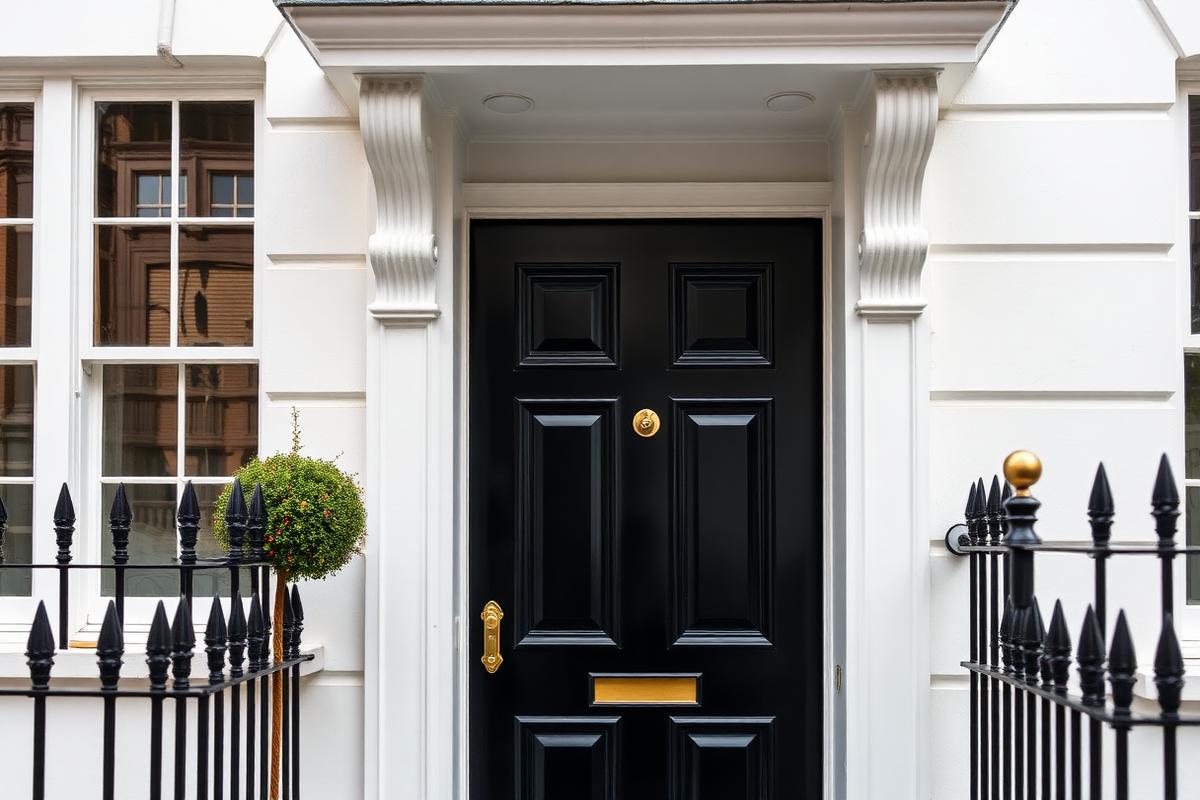
The character of different Fulham streets varies considerably, offering diverse property styles and atmospheres within relatively compact geography. The grand Victorian and Edwardian houses of roads such as those running parallel to Fulham Palace Road exemplify the area's heritage, with many now converted into substantial flats whilst others remain as substantial family houses. These tree-lined residential streets epitomise the 'village in the city' appeal that defines this Fulham guide.
Cloncurry Street Fulham and similar terraces demonstrate the more accessible end of the market, where Victorian workers' cottages have been meticulously renovated into charming two- and three-bedroom houses. We regularly advise buyers that these smaller Fulham streets offer genuine character at more attainable price points, particularly for those willing to consider properties requiring modernisation. The tight-knit community feel of these pockets contrasts with the more anonymous mansion-block developments, appealing to those who value neighbourhood connections.
Fulham Palace Road itself functions as a spine through the area, lined with a mixture of residential, retail and commercial properties. The northern stretches towards Hammersmith feature purpose-built blocks with excellent transport access, whilst the southern sections towards Putney Bridge offer quieter, more residential settings. Our team has observed that buyers often overlook properties directly on main thoroughfares, yet these frequently offer excellent value and convenience, particularly on upper floors where traffic noise diminishes.
The mansion blocks and Victorian conversions throughout Fulham's core residential streets typically feature high ceilings, generous room proportions and period details that newer developments cannot replicate. For those exploring [house prices in Fulham](/house-prices/fulham), understanding these architectural distinctions proves essential to identifying value and long-term appreciation potential.

Living in Fulham: Schools, Transport and Lifestyle
Fulham's educational provision spans outstanding state primaries and secondaries alongside prestigious independent options, making the area particularly attractive to families considering houses in Fulham. Catchment areas for the most sought-after state schools significantly influence property values, with parents prepared to pay premiums for addresses within designated boundaries. We advise prospective buyers to verify current catchment criteria early in their property search, as these can shift annually.
Transport connectivity extends beyond Fulham Broadway, with Parsons Green and Putney Bridge stations serving different neighbourhoods within the area. Overground services from Imperial Wharf provide additional options for southeastern destinations, whilst numerous bus routes traverse Fulham Palace Road and the King's Road. For professionals working in central London, the typical commute rarely exceeds thirty minutes door-to-door, explaining why renting a house or flat in Fulham appeals to corporate relocators and young professionals alike.
The lifestyle proposition encompasses Eel Brook Common, Bishops Park and easy access to larger green spaces in neighbouring Richmond and Wimbledon. Independent shops along the Fulham Road cater to discerning tastes, whilst the farmers' market at Fulham Broadway attracts weekend crowds seeking artisan produce. This blend of urban sophistication and neighbourhood warmth explains why long-term residents rarely leave voluntarily, creating stable communities and consistent property demand.
For landlords considering letting property in Fulham, tenant demand remains robust across all property sizes. Our [property letting service](/let-your-property/fulham) consistently achieves asking rents with minimal void periods, particularly for well-presented flats and houses near transport links. The combination of corporate tenants, families and young professionals creates a diverse tenant pool that buffers the market against sector-specific downturns.
Investment Perspective: Why Fulham Delivers
From an investment standpoint, Fulham offers several compelling advantages. The area's established desirability provides downside protection during market corrections, whilst its ongoing evolution—particularly around Fulham Broadway and Imperial Wharf—offers appreciation upside. We've observed that well-chosen Fulham homes typically match or exceed broader London house price growth over medium-term holding periods.
The diverse property stock means investment strategies can range from studio buy-to-lets targeting young professionals to substantial family houses appealing to corporate relocators. Rental yields vary by property type, with smaller flats in purpose-built blocks often delivering superior income returns, whilst larger period houses provide stronger capital growth prospects. Understanding these dynamics proves crucial for investors aligning acquisitions with specific financial objectives.
Fulham's enduring appeal rests on factors unlikely to diminish: riverside location, architectural heritage, excellent schools and comprehensive transport links. These fundamentals underpin long-term investment confidence, distinguishing Fulham from more speculative emerging areas. For those building London property portfolios, Fulham consistently features as a core holding that provides stability and consistent performance through market cycles.
Talk to Seymont
What's your home worth?
A considered view on price, timing and how to bring your London home to market — a personal reply within 24 hours.
Your property
Step 1 of 2About the author
Thomas LindqvistMortgage & Financing Specialist
Thomas advised buyers for a decade at Ashgrove Financial, an independent brokerage, on borrowing capacity, product selection and the full cost of a purchase, including stamp duty, legal fees and lender charges. He follows rate decisions and lender criteria changes and translates them into what a household can realistically afford. His guides cover affordability, remortgaging and the closing costs that buyers routinely underestimate.
CeMAP qualified · Whole-of-market mortgage advice background
- Mortgages
- Affordability
- Closing costs
- Remortgaging
Frequently asked
- What is the average property price in Fulham?
- According to HM Land Registry Price Paid Data, the median property price in Fulham stands at £725,000. However, this varies considerably by property type: flats achieve a median of £625,000, terraced houses £1,489,500, and semi-detached properties £2,215,000. The market encompasses everything from smaller conversion flats to substantial riverside family homes, creating a broad pricing spectrum.
- Is Fulham a good area for families?
- Fulham is exceptionally well-suited to family life, offering outstanding state and independent schools, generous green spaces including Bishops Park and Eel Brook Common, and safe residential streets with strong community networks. The availability of larger houses with gardens, combined with riverside walks and excellent transport links, makes Fulham one of West London's premier family neighbourhoods.
- How much does it cost to rent in Fulham?
- ONS rental data shows Fulham rentals ranging from £1,150–£1,775 pcm for studios, £1,500–£2,350 for one-bedroom flats, and £2,050–£3,200 for two-bedroom properties. Family homes command higher rents: three-bedroom properties typically range from £2,725–£4,275 pcm, whilst five-bedroom houses achieve £4,775–£7,475 pcm, reflecting strong demand from professional tenants and families.
- What is Fulham Broadway known for?
- Fulham Broadway serves as the area's principal transport and retail hub, centred around the District Line Underground station. The Broadway shopping centre, surrounding high-street shops, restaurants and cafés create a busy commercial district that provides convenience for residents across Fulham. Its excellent transport connectivity makes it the natural reference point for the neighbourhood.
- How is transport connectivity in Fulham?
- Fulham benefits from three Underground stations (Fulham Broadway, Parsons Green and Putney Bridge) on the District Line, plus Imperial Wharf Overground station. Fulham Palace Road and the King's Road host numerous bus routes connecting to wider London. Central London is typically accessible within 25–30 minutes, whilst Heathrow Airport can be reached in under an hour, making Fulham ideal for professionals and frequent travellers.