Journal
The Cost of Living in Fulham: A Complete Guide
Written by Amara Bennett · Property Market Analyst
Published 26 July 2026 · Updated 8 August 2026 · 8 min read
The short answer
Fulham has long been one of west London's most desirable postcodes, blending riverside charm with excellent transport links and a vibrant social scene. Understanding the cost of living in Fulham is essential whether you're considering a move to this elegant SW6 neighbourhood or reassessing your household budget.
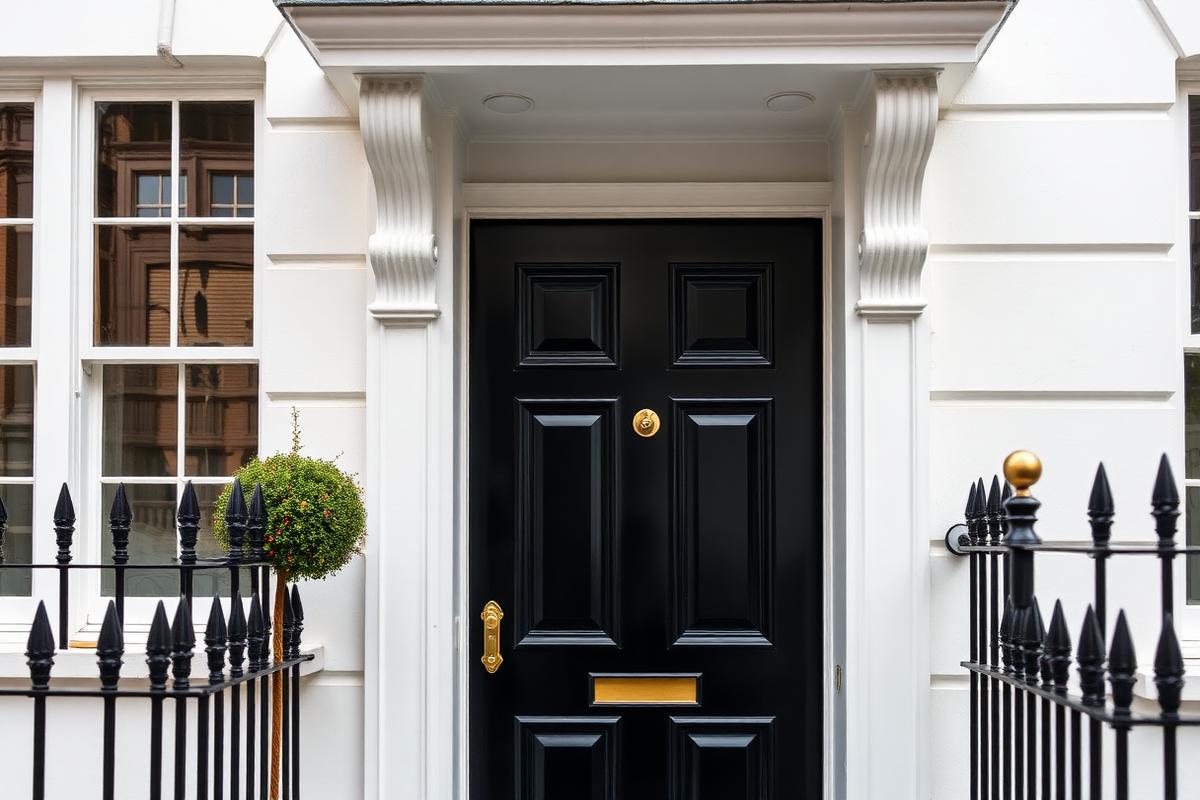
Fulham has long been one of west London's most desirable postcodes, blending riverside charm with excellent transport links and a vibrant social scene. Understanding the cost of living in Fulham is essential whether you're considering a move to this elegant SW6 neighbourhood or reassessing your household budget. Our team has compiled comprehensive data on property prices, rental costs, council tax, and everyday expenses to give you a clear picture of what it takes to call Fulham home. From the bustling retail hub of Fulham Broadway to the peaceful Thames Path, this area commands premium prices that reflect its enduring popularity among families, young professionals, and established Londoners alike.
Property Prices: Buying in Fulham
According to HM Land Registry Price Paid Data, the median property price in Fulham stands at £725,000 based on 273 recent sales, positioning it firmly in London's upper-middle price bracket. This figure, however, masks considerable variation depending on property type and location within the neighbourhood.
Flats dominate the Fulham market, accounting for 199 of recorded transactions, with a median price of £625,000. These apartments range from £157,500 for smaller conversions to £2,443,500 for premium riverside developments. For those searching for [apartments for sale in Fulham](/property-for-sale/fulham), the variety spans purpose-built mansion blocks near Fulham Palace Road and modern developments closer to the river. Period conversions in the streets radiating from Fulham Broadway offer characterful living spaces, whilst newer builds often command a premium for their contemporary specifications and communal amenities.
Terraced houses represent the classic Fulham family home, with a median price of £1,489,500 across 58 sales. These properties typically feature three to four bedrooms across multiple floors, many retaining original Victorian or Edwardian features. Prices for [houses in Fulham](/house-prices/fulham) range from £500,000 for smaller two-bedroom terraces requiring renovation to £3,137,500 for substantial family homes in prime residential pockets. Semi-detached properties, though rare with only four recorded sales, command a median of £2,215,000, reflecting their scarcity and the generous proportions they offer.
Location within Fulham significantly influences pricing. Properties near Parsons Green's leafy squares, along the prestigious streets approaching the river, or within easy walking distance of Fulham Broadway's amenities typically achieve premium valuations. Streets with period charm, mature trees, and proximity to outstanding primary schools see particularly strong demand from families prepared to pay for the Fulham lifestyle.
Rental Market: Monthly Costs Across Property Sizes
The rental market in Fulham caters to a diverse demographic, from young professionals seeking studio spaces to established families requiring five-bedroom homes. ONS data reveals a rental landscape that reflects the area's desirability and proximity to central London employment hubs.
Studio apartments command monthly rents between £1,150 and £1,775, offering an entry point for those wanting to establish themselves in this sought-after postcode. One-bedroom flats range from £1,500 to £2,350 per month, popular among single professionals and couples working in the City, Canary Wharf, or West End. Two-bedroom properties, whether mansion flats or modern apartments, typically cost between £2,050 and £3,200 monthly, attracting sharers and young families.
Family-sized accommodation commands significantly higher rents. Three-bedroom homes range from £2,725 to £4,275 per month, whilst four-bedroom properties cost between £3,650 and £5,700. For those seeking substantial space, five-bedroom and larger homes command £4,775 to £7,475 monthly. These premium rentals often feature private gardens, period details, and locations near Fulham's most desirable schools and green spaces.
For landlords considering the rental market, our [property letting service in Fulham](/let-your-property/fulham) provides expertise in positioning properties competitively whilst maximising returns. The strong rental demand in Fulham stems from its excellent transport connections, with Fulham Broadway on the District line providing direct access to central London, and multiple bus routes serving the area comprehensively.

Fulham Council Tax and Service Charges
Fulham falls within the London Borough of Hammersmith & Fulham, which sets annual council tax rates across eight bands. Understanding Fulham council tax is crucial when budgeting for life in the area, as it represents a significant recurring expense alongside rent or mortgage payments.
For the 2024/25 tax year, Band D properties—the standard reference point—pay £1,012.39 annually, one of London's more competitive rates. This relatively modest charge reflects the borough's financial management and means Fulham residents benefit from lower council tax than many comparable London neighbourhoods. Band A properties pay £674.93, whilst Band H properties at the top of the scale pay £2,024.78. These charges cover essential services including refuse collection, street maintenance, libraries, and local environmental services.
For flat owners and tenants, Fulham service charges warrant careful consideration when calculating the true cost of living in Fulham. Purpose-built blocks and conversions typically levy annual service charges covering building insurance, communal area maintenance, porter services where applicable, and contributions to reserve funds for major works. These charges vary considerably—from £1,500 annually for modest mansion blocks to £8,000 or more for premium riverside developments with concierge services, gymnasiums, and landscaped gardens.
Prospective buyers should scrutinise service charge histories and planned works when viewing properties. Our [estate agents in Fulham](/estate-agents/fulham) always recommend reviewing several years of service charge accounts and enquiring about upcoming major expenditure. Ground rent, where applicable on leasehold properties, typically ranges from a peppercorn to several hundred pounds annually, though recent legislation has curtailed ground rents on new leases.
Talk to Seymont
What's your home worth?
A considered view on price, timing and how to bring your London home to market — a personal reply within 24 hours.
Your property
Step 1 of 2Everyday Living: Transport, Dining and Lifestyle Costs
Beyond housing costs, daily life in Fulham involves expenses that reflect both London-wide pricing and the neighbourhood's particular character. Transport costs form a significant budget line for most residents, though Fulham's connectivity helps moderate these expenses compared to more peripheral locations.
Fulham Broadway station provides direct District line access to central London, with zones 1-2 travelcard holders paying £164.90 monthly for unlimited Underground and bus travel across core London. Many residents walk or cycle to riverside offices in Hammersmith or towards Chelsea, taking advantage of the flat terrain and increasingly comprehensive cycle infrastructure. The area's excellent bus network, including routes along Fulham Palace Road and King's Road, offers flexible alternatives for those not commuting to central locations.
The dining and social scene significantly influences how expensive Fulham feels day-to-day. Restaurants in Fulham range from excellent neighbourhood bistros charging £15-25 for mains to upscale dining establishments where dinner easily exceeds £60 per head before wine. Fulham Broadway's chain restaurants offer mid-range options, whilst the gastropubs dotted throughout residential streets provide relaxed settings for £18-30 mains. The weekly shop varies considerably depending on preferences—budget supermarkets keep costs manageable, whilst the organic grocers and delis frequented by many residents add premium to household budgets.
Fulham's lifestyle amenities contribute to living costs but also define its appeal. Private gym memberships range from £50-150 monthly, whilst the council-run leisure centres offer more affordable alternatives. Families face schooling decisions that can dramatically affect budgets—outstanding state primaries and secondaries mean many avoid private fees, though some opt for independent education costing £15,000-25,000+ annually per child. Childcare costs mirror London averages, with full-time nursery care typically £1,600-2,200 monthly.
The neighbourhood's proximity to the Thames, Bishops Park, and various garden squares provides free recreational spaces that enhance quality of life without adding to household expenses. Weekend markets near Fulham Palace Road and regular community events create a village atmosphere within this zone 2 location, offering entertainment and social connection without the premium price tags of more central London neighbourhoods.

How Expensive is Fulham Compared to Neighbouring Areas?
When evaluating how expensive Fulham is, context matters enormously. Positioned between Chelsea to the east and Hammersmith to the north, Fulham offers relative value whilst maintaining many characteristics that define prime west London living.
Compared to neighbouring Chelsea, Fulham represents significantly better value—Chelsea median property prices often exceed Fulham's by 40-60%, whilst offering similar period architecture and Thames proximity. Families particularly find Fulham appealing as it delivers excellent schools, green spaces, and community atmosphere at a more accessible price point than SW3 and SW10 postcodes. Conversely, Hammersmith to the north typically prices 15-25% below Fulham for comparable properties, though many buyers willingly pay Fulham's premium for its more residential character and prestigious address.
Putney across the river offers interesting comparisons—similar family appeal and riverside amenities with marginally lower entry prices, though Fulham's superior transport links and proximity to central London justify its premium for many buyers. Wandsworth and Battersea have seen considerable gentrification, but Fulham maintains its established, settled character that particularly appeals to those seeking a proven neighbourhood rather than an emerging one.
The question of whether Fulham represents good value depends entirely on individual priorities. For families seeking outstanding state schools, manageable commutes, period properties with gardens, and a genuine neighbourhood feel within zone 2, Fulham delivers exceptional value despite absolute prices that challenge many budgets. Young professionals might find better value in Clapham or Balham, whilst those prioritising cutting-edge restaurants and nightlife might prefer Shoreditch or Soho despite higher rents.
Budgeting for Fulham: Realistic Monthly Costs
Creating a realistic monthly budget for Fulham life requires accounting for both fixed housing costs and variable lifestyle expenses. We've observed that successful Fulham residents typically allocate their budgets thoughtfully across several categories.
For renters, housing costs naturally dominate. A young professional in a one-bedroom flat paying £1,900 monthly rent, plus approximately £85 monthly council tax (Band C), £150 for utilities and internet, allocates roughly £2,135 to accommodation before discretionary spending. Adding £165 for transport, £300 for groceries, £200 for dining out, and £100 for gym and entertainment suggests a baseline monthly expenditure approaching £2,900 before clothing, holidays, or savings.
Families face substantially higher costs. A household renting a three-bedroom house at £3,500 monthly, with Band D council tax of £84, utilities of £200, and transport costs of £330 for two travelcards, commits £4,114 to essentials. Groceries for a family of four typically reach £500-700 monthly, childcare or after-school activities add £500-1,500, and modest entertainment and dining perhaps £400, suggesting total monthly expenditure of £5,500-7,000 for a comfortable but not lavish lifestyle.
Homeowners exchange rent for mortgage payments but face additional responsibilities. A £625,000 flat purchased with a 25% deposit requires a mortgage of approximately £468,750, translating to roughly £2,400-2,700 monthly depending on interest rates and term. Adding service charges averaging £200 monthly, council tax, utilities, and maintenance reserves, the housing costs alone approach £3,000 monthly before any lifestyle expenditure.
These figures illustrate why Fulham appeals primarily to established professionals, dual-income households, and those with significant capital. However, the neighbourhood's enduring popularity stems from residents feeling they receive good value—excellent transport saving time and money, outstanding schools reducing private education costs, and a genuine community that enhances quality of life beyond purely financial considerations.
Talk to Seymont
What's your home worth?
A considered view on price, timing and how to bring your London home to market — a personal reply within 24 hours.
Your property
Step 1 of 2About the author
Amara BennettProperty Market Analyst
Amara spent seven years as a market analyst at Kestrel Lane Research, a small London property consultancy, before joining our editorial desk. She reads sold-price and rental data street by street to explain how individual London postcode districts actually behave, and reviews every price figure we publish. Her focus is separating headline national averages from what a specific address is worth today.
MSc Real Estate Economics · Seven years in property market research
- Valuations
- Local market data
- Sold prices
- Pricing strategy
Frequently asked
- What is the average house price in Fulham?
- According to HM Land Registry data, the median property price in Fulham is £725,000 across all property types. However, this varies significantly by property type: flats have a median price of £625,000, terraced houses £1,489,500, and semi-detached properties £2,215,000. Location within Fulham, property condition, and proximity to transport links and schools all influence individual property values considerably.
- How much does it cost to rent a two-bedroom flat in Fulham?
- Based on ONS rental data, two-bedroom properties in Fulham typically cost between £2,050 and £3,200 per month. The lower end of this range generally covers purpose-built flats or conversions in less central locations, whilst properties near Fulham Broadway, with period features, or in premium developments command rents at the higher end of the spectrum.
- Is Fulham more expensive than Putney?
- Generally, yes. Fulham typically commands a 10-20% premium over Putney for comparable properties, reflecting its slightly more central location, superior Underground connectivity via Fulham Broadway, and established reputation as a prime west London address. However, specific streets and property conditions create variations, and both areas offer similar lifestyle amenities, riverside access, and family appeal.
- What is the council tax rate in Fulham?
- Fulham falls within the London Borough of Hammersmith & Fulham, where council tax for a Band D property is £1,012.39 annually for 2024/25—among London's lower rates. Band A properties pay £674.93, whilst Band H properties pay £2,024.78. Most Fulham properties fall within Bands C to F, translating to approximately £70-140 monthly depending on the specific band.
- What are typical service charges for Fulham flats?
- Service charges in Fulham vary enormously depending on the building. Modest mansion blocks without lifts or porters might charge £1,500-3,000 annually, whilst purpose-built developments with concierge services, gyms, and extensive communal facilities can charge £5,000-8,000 or more per year. Always request at least three years of service charge history and ask about planned major works when considering any leasehold property, as one-off contributions can be substantial.