Journal
Chiswick Property Market Report: Your Complete Guide to W4
Written by Amara Bennett · Property Market Analyst
Published 28 March 2026 · Updated 15 June 2026 · 6 min read
The short answer
The Chiswick property market continues to attract discerning buyers and tenants seeking a rare combination of riverside tranquillity, excellent transport links, and village charm within Zone 2. As a practice serving the whole of London, we've observed how Chiswick W4 has maintained its reputation as one of West London's most desirable postcodes, balancing period elegance with contemporary family living.
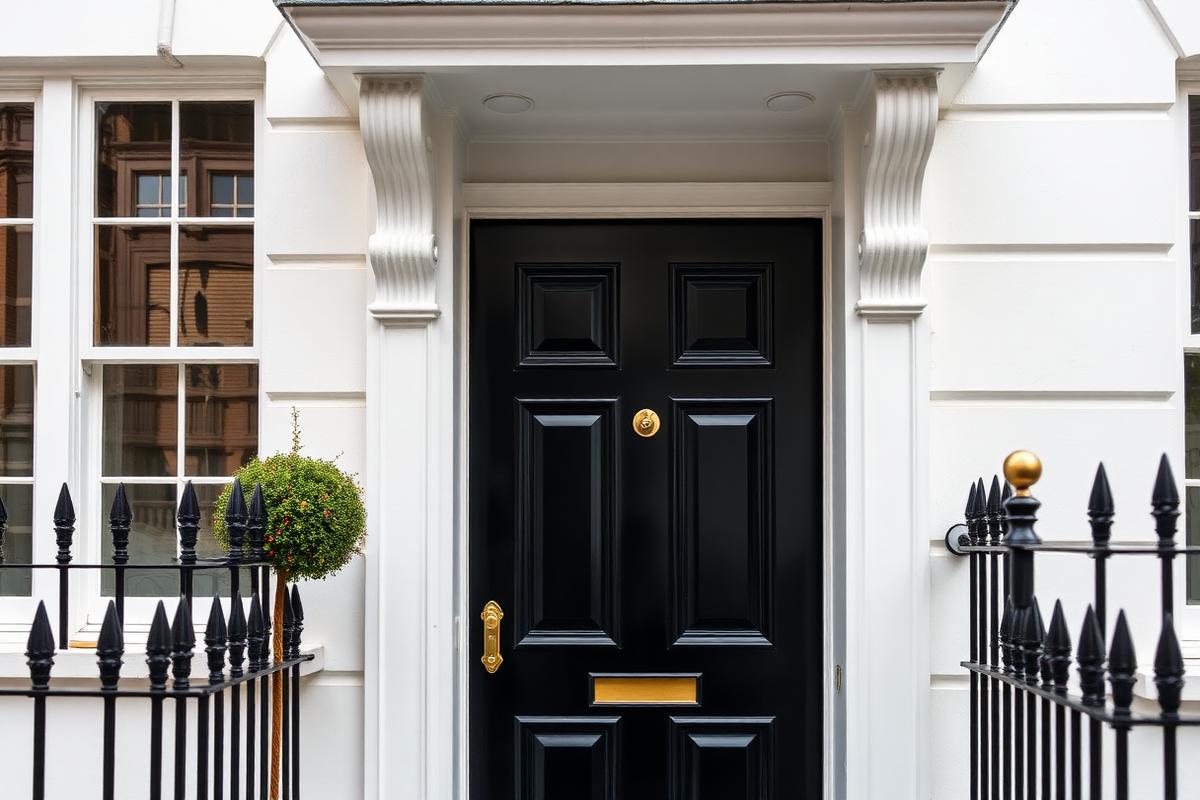
The Chiswick property market continues to attract discerning buyers and tenants seeking a rare combination of riverside tranquillity, excellent transport links, and village charm within Zone 2. As a practice serving the whole of London, we've observed how Chiswick W4 has maintained its reputation as one of West London's most desirable postcodes, balancing period elegance with contemporary family living. According to HM Land Registry data, the area recorded 801 sales with a median price of £800,000, reflecting the diverse housing stock that spans riverside apartments to substantial detached family homes. In this report, we examine the nuances of the Chiswick housing market, price dynamics across property types, and the factors shaping both sales and rental demand.
Understanding Chiswick's Property Landscape
Chiswick's architectural character distinguishes it from neighbouring West London markets. The area's Georgian and Victorian terraces, many clustered around Chiswick High Road and the conservation areas near Turnham Green, form the backbone of the local housing stock. According to our analysis of HM Land Registry data, terraced properties commanded a median price of £1,245,000 across 270 transactions, representing the largest segment after flats in terms of transaction volume.
The flat market—comprising 380 sales with a median of £500,000—offers the most accessible entry point for first-time buyers and investors. These range from converted Victorian apartments to purpose-built riverside developments along Chiswick Mall and newer schemes near Chiswick Business Park. The spectrum is considerable, with flat prices spanning £100,000 to £1,700,000, reflecting variations in size, condition, and proximity to the Thames.
At the premium end, semi-detached and detached properties cater to established families seeking generous gardens and period features. Semi-detached homes achieved a median of £1,765,000 across 87 sales, whilst the 29 detached transactions recorded a median of £1,900,000. These figures underscore Chiswick's position as a market where substantial family homes command significant premiums, particularly in the tree-lined streets between Chiswick Common and Dukes Meadows.
Our team has observed that the 'other' category—which includes commercial conversions and new-build schemes—shows remarkable price variance (£8,000 to over £36 million), reflecting the area's evolving character as warehouse conversions and riverside developments reshape parts of W4.
Chiswick Price Trends and Market Dynamics
The Chiswick price trend reveals a market shaped by enduring fundamentals rather than speculative momentum. The £800,000 median across all property types positions W4 firmly in London's upper-middle bracket, reflecting the premium buyers place on the area's combination of accessibility, schools, and lifestyle amenities. Unlike some neighbouring markets that experience sharper cyclical swings, Chiswick demonstrates relative stability rooted in consistent family demand.
Terraced properties merit particular attention for those analysing long-term value. The price range of £225,000 to £4,600,000 within this category highlights how street-by-street micro-markets operate in Chiswick. Properties nearest the river, those within the Bedford Park conservation area, or homes on the most coveted residential roads command substantial premiums over equivalent houses near the A4 corridor or closer to less desirable through-routes.
We've noted that the significant gap between median flat prices (£500,000) and median terraced prices (£1,245,000) creates a pronounced 'step' in the local market. Families looking to upsize from apartments face considerable capital requirements, which in turn supports sustained rental demand from households not yet positioned to make that leap. This dynamic has important implications for those considering whether Chiswick represents a sound investment proposition.

The Chiswick Rental Market: Yields and Tenant Demand
ONS rental data reveals a mature lettings market with clearly defined price bands across property sizes. Studio apartments command monthly rents between £1,250 and £1,975, whilst one-bedroom properties range from £1,650 to £2,600. These figures position Chiswick rentals at a premium to many outer London locations whilst remaining somewhat below prime central enclaves.
Two-bedroom properties—the most sought-after category for young professionals and small families—achieve £2,275 to £3,525 per month. Our experience suggests this segment attracts particularly strong demand from tenants working at Chiswick Business Park, in Hammersmith, or commuting into central London via the District line or Overground services from Chiswick Park, Gunnersbury, or Turnham Green stations.
Family-sized homes demonstrate Chiswick's appeal to corporate relocations and established households. Three-bedroom properties rent for £3,025 to £4,700 monthly, four-bedroom homes for £4,025 to £6,275, and five-bedroom-plus properties command £5,275 to £8,250. These premium rental rates reflect the calibre of schooling (both state and independent), the proximity to green spaces including Dukes Meadows and Chiswick House Gardens, and the lifestyle offer along the riverside and Chiswick High Road.
For investors evaluating Chiswick property to rent as part of their portfolio strategy, gross yields typically fall below some higher-yielding London markets, but the tenant quality, low void periods, and capital preservation characteristics merit consideration. The question of whether Chiswick is a good investment depends considerably on individual objectives: those prioritising stability and long-term capital growth over maximum income yield may find the fundamentals compelling.
Talk to Seymont
What's your home worth?
A considered view on price, timing and how to bring your London home to market — a personal reply within 24 hours.
Your property
Step 1 of 2Why Chiswick Continues to Attract Buyers and Tenants
Location fundamentals underpin the enduring appeal of London Chiswick. Zone 2 positioning with multiple transport options—including the District line, London Overground, and excellent road links via the A4 and M4 corridor—creates genuine flexibility for commuters. Journey times to central London rarely exceed 30 minutes, whilst Heathrow accessibility appeals to frequent travellers and international relocations.
The area's village character, despite its inner-London classification, sets it apart. Chiswick High Road offers an independent retail and dining scene that rivals any outer London high street, from the boutiques near Turnham Green to the riverside pubs along Chiswick Mall. The combination of chain conveniences and independent character creates a self-contained community that reduces reliance on central London for daily needs.
Green space provision exceeds most comparable London markets. Beyond the formal gardens at Chiswick House—a Grade I listed Palladian villa with 65 acres of historic parkland—residents enjoy access to the Thames Path, Dukes Meadows playing fields, and numerous smaller squares and commons. For families, this abundance of outdoor space within an urban setting proves decisive.
Educational provision strengthens the Chiswick housing market's family appeal. The area hosts well-regarded state primaries and secondaries alongside independent options, creating a schools market that supports sustained residential demand. Our team consistently encounters buyers for whom catchment considerations drive both location choice and willingness to pay premiums for properties within specific boundaries.
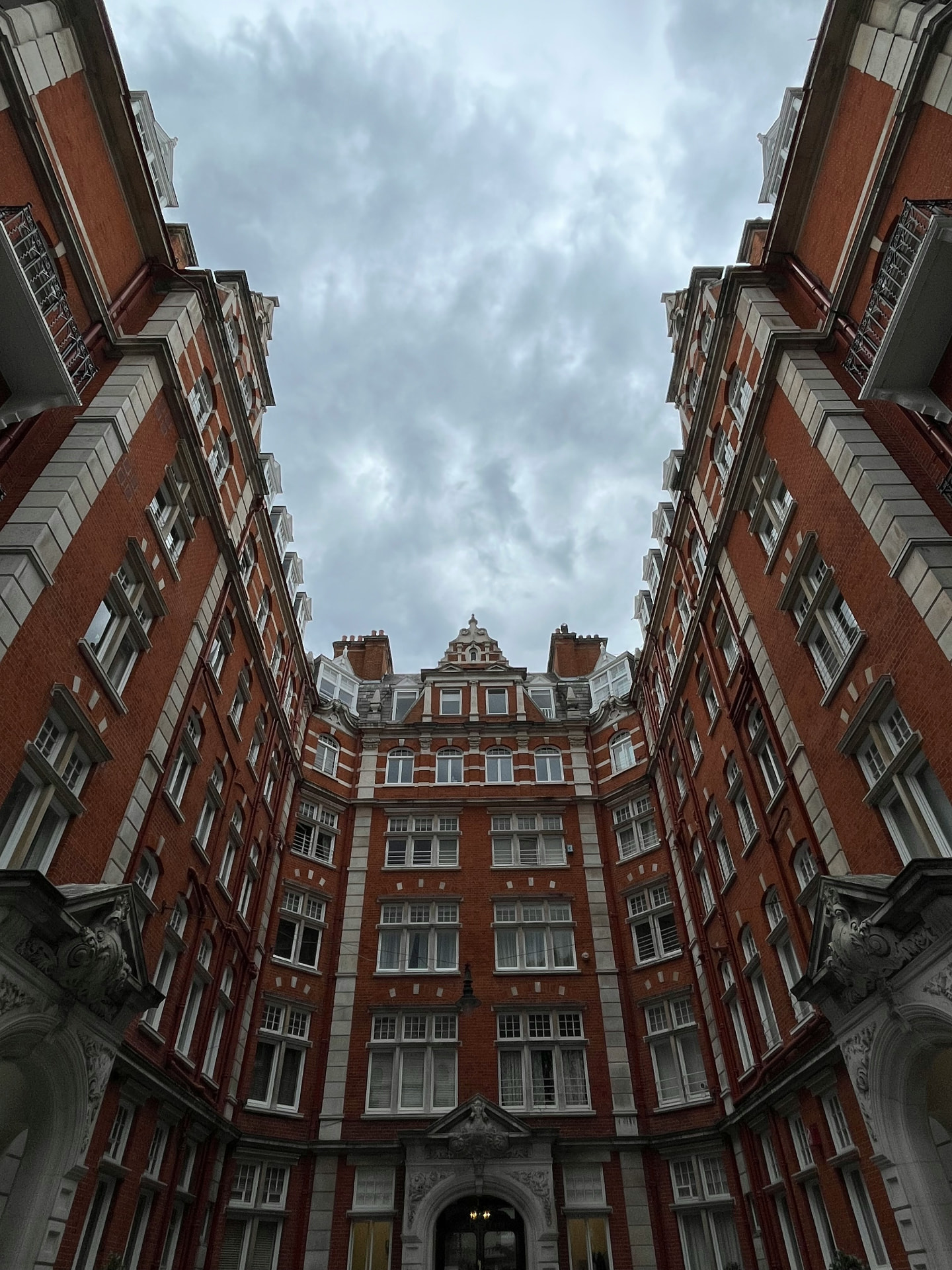
Investment Considerations: Is Chiswick a Good Investment?
Evaluating whether Chiswick represents sound investment requires examining multiple factors beyond simple yield calculations. The area's mature market status means dramatic capital appreciation is less likely than in emerging locations, but downside protection during market corrections has historically been more robust. Properties in W4 tend to hold value during downturns, supported by the enduring desirability of the location's fundamentals.
The diversity of property types—from £500,000 median flats to £1,900,000 median detached homes—creates opportunities across investment scales. Those seeking income-focused strategies might target one and two-bedroom apartments near transport nodes, where tenant demand remains consistently strong and management complexities are lower than for larger family homes. Conversely, investors with longer time horizons and larger capital bases might consider period terraced or semi-detached properties in conservation areas, where scarcity value and family demand provide different risk-return characteristics.
Rental demand fundamentals appear sound for the medium term. Chiswick's employment cluster around Chiswick Business Park, combined with reverse-commuting opportunities to Heathrow and West London commercial centres, supports a diverse tenant base less dependent solely on central London employment. This employment diversity can provide resilience during economic shifts that affect specific sectors.
We encourage investors to consider total cost of ownership, particularly for period properties where maintenance, service charges (for flats), and potential refurbishment requirements can materially affect net returns. The premium prices in Chiswick mean absolute capital requirements are substantial, and investors should ensure their strategies align with the market's characteristics: stability and quality over maximum yield.
Talk to Seymont
What's your home worth?
A considered view on price, timing and how to bring your London home to market — a personal reply within 24 hours.
Your property
Step 1 of 2About the author
Amara BennettProperty Market Analyst
Amara spent seven years as a market analyst at Kestrel Lane Research, a small London property consultancy, before joining our editorial desk. She reads sold-price and rental data street by street to explain how individual London postcode districts actually behave, and reviews every price figure we publish. Her focus is separating headline national averages from what a specific address is worth today.
MSc Real Estate Economics · Seven years in property market research
- Valuations
- Local market data
- Sold prices
- Pricing strategy
Frequently asked
- What is the average property price in Chiswick?
- According to HM Land Registry data, the median property price in Chiswick is £800,000 across all property types. However, this figure varies significantly by type: flats have a median of £500,000, terraced homes £1,245,000, semi-detached properties £1,765,000, and detached houses £1,900,000. The wide range reflects Chiswick's diverse housing stock, from riverside apartments to substantial family homes near Chiswick Common.
- How much does it cost to rent a property in Chiswick?
- ONS data shows Chiswick rental costs vary by property size. Studios range from £1,250 to £1,975 per month, one-bedroom properties from £1,650 to £2,600, two-bedroom homes from £2,275 to £3,525, and three-bedroom properties from £3,025 to £4,700. Larger family homes command higher rents, with four-bedroom properties at £4,025 to £6,275 monthly and five-bedroom-plus homes from £5,275 to £8,250.
- Is Chiswick a good area to invest in property?
- Chiswick offers investment characteristics suited to those prioritising stability over maximum yields. The area benefits from Zone 2 transport links, excellent schools, riverside location, and consistent family demand. Whilst gross rental yields may be lower than some London markets, Chiswick properties historically demonstrate resilience during downturns and attract high-quality tenants with low void periods. Investment suitability depends on individual objectives, capital position, and whether the premium pricing aligns with your portfolio strategy.
- What types of properties are most common in Chiswick?
- HM Land Registry data from 801 sales shows flats are the most numerous (380 transactions), followed by terraced homes (270 sales). The area's character is defined by Victorian and Georgian terraces, particularly around Chiswick High Road and conservation areas, alongside riverside apartment developments and period conversions. Semi-detached (87 sales) and detached properties (29 sales) are less common but highly sought after, particularly in roads near Chiswick Common and Dukes Meadows.
- Why is Chiswick popular with families?
- Chiswick's family appeal stems from several factors: highly regarded state and independent schools, abundant green spaces including Chiswick House Gardens and Dukes Meadows, village atmosphere with independent shops and cafés, Zone 2 transport providing manageable commutes, and riverside location offering lifestyle benefits. The combination of urban convenience with village character, plus educational provision and outdoor space, makes Chiswick particularly attractive to families seeking alternatives to both central and outer London locations.