Journal
Camberwell Area Guide
Written by Nina Castellano · Investment Property Advisor
Published 21 January 2026 · Updated 19 March 2026 · 7 min read
The short answer
Nestled in the heart of South London, Camberwell has evolved from its Georgian and Victorian roots into one of the capital's most culturally vibrant and artistically driven neighbourhoods. This Camberwell area guide explores what makes this SE5 postcode such an appealing proposition for residents, from its creative heritage and independent spirit to its surprisingly diverse property stock and excellent transport connections.
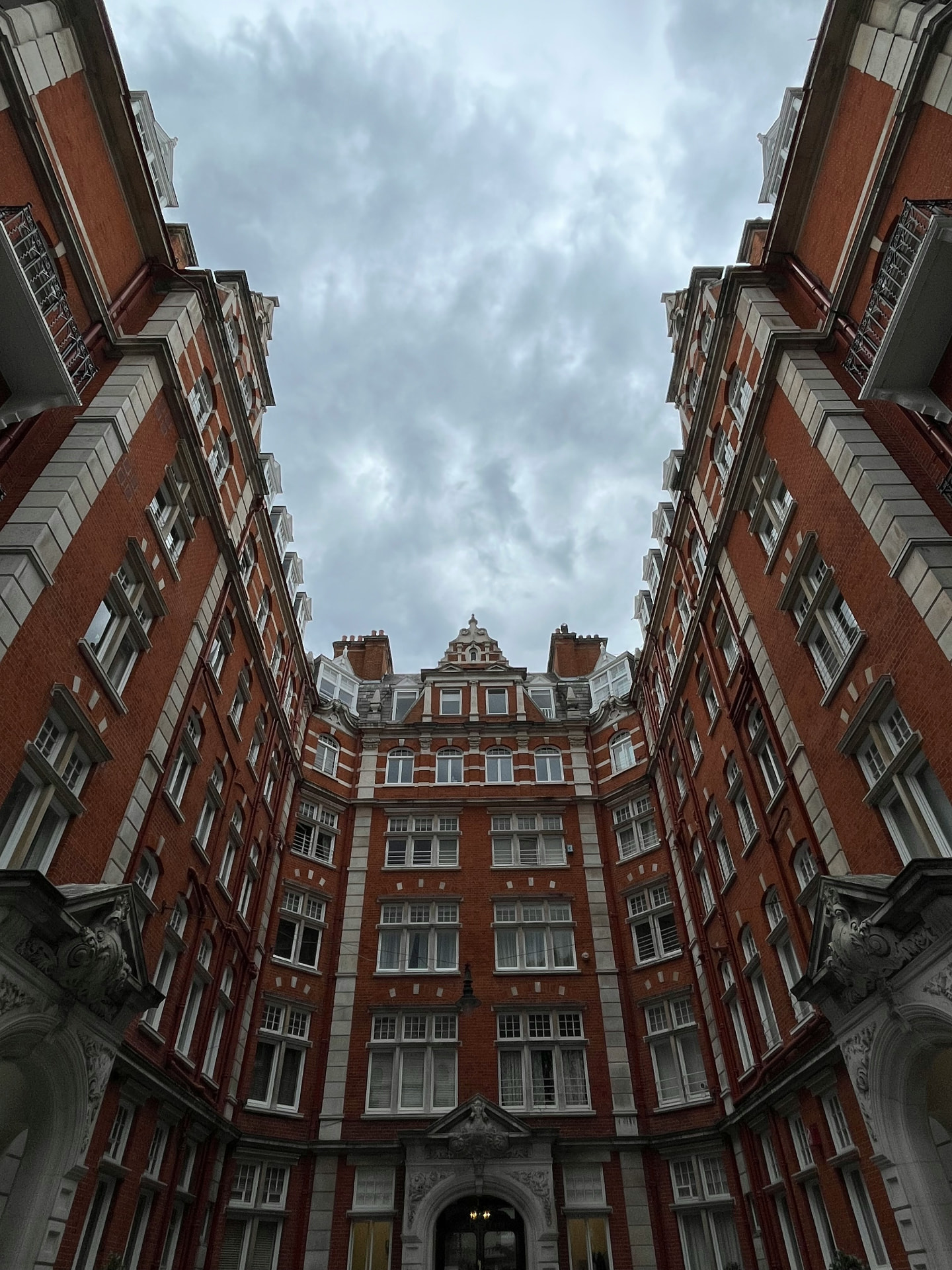
Nestled in the heart of South London, Camberwell has evolved from its Georgian and Victorian roots into one of the capital's most culturally vibrant and artistically driven neighbourhoods. This Camberwell area guide explores what makes this SE5 postcode such an appealing proposition for residents, from its creative heritage and independent spirit to its surprisingly diverse property stock and excellent transport connections. Whether you're considering a move to the area or simply curious about what Camberwell offers, our team has assembled everything you need to know about this distinctive corner of Southwark.
The Character of Camberwell
Camberwell's identity is inseparable from its artistic legacy. The presence of the renowned Camberwell College of Arts, part of the University of the Arts London, has shaped the area's creative DNA for over a century. This influence permeates every corner, from the independent galleries dotting Camberwell Church Street to the studios tucked away in converted industrial spaces. The neighbourhood attracts artists, designers and creative professionals who value authenticity over polish, substance over style.
Camberwell Green serves as the area's historic focal point, a rare expanse of open space where community life converges. The green has witnessed centuries of London history, and today it hosts regular markets and events that bring together the area's remarkably diverse population. Surrounding streets radiate outward in a pattern that reflects the neighbourhood's organic development, creating pockets of distinct character.
The social fabric here is genuinely mixed, both economically and culturally. You'll find Victorian mansion blocks standing alongside more modest terraces, council estates interspersed with period conversions, and a high street that caters to long-established communities and newer arrivals alike. This absence of homogeneity is precisely what many residents cherish about Camberwell—it remains resolutely unpretentious whilst offering genuine urban vitality.
Camberwell New Road, one of the area's principal thoroughfares, exemplifies this character. Running northwest towards the Elephant and Castle, it's lined with an eclectic mix of Caribbean grocers, Vietnamese restaurants, traditional boozers and contemporary coffee shops. This is London as it actually lives, rather than as it's packaged for glossy magazines.
Camberwell Property Market Insights
The Camberwell property market presents compelling value compared to neighbouring areas that have experienced more dramatic gentrification. According to HM Land Registry data, the median sale price across 130 transactions stood at £462,500, with flats dominating the market at 100 sales and a median price of £429,000. For buyers seeking houses, the figures tell an interesting story: terraced properties recorded a median of £873,000 across 14 sales, whilst the five semi-detached transactions achieved a median of £776,000.
What makes Camberwell particularly interesting for property investors and homebuyers is the breadth of stock. Purpose-built mansion flats from the Edwardian and inter-war periods remain abundant, many retaining original features such as high ceilings, decorative cornicing and generous room proportions. Victorian terraces along the quieter Camberwell streets offer family homes with potential for loft conversions and rear extensions, though competition for well-presented examples remains fierce.
The rental market reflects the area's appeal to young professionals and students. ONS data indicates studio apartments command between £725 and £1,125 per calendar month, whilst one-bedroom properties range from £950 to £1,500. Two-bedroom flats, the sweet spot for sharers and small families, fall between £1,300 and £2,025 monthly. Larger properties—three bedrooms at £1,750–£2,725 and four bedrooms at £2,325–£3,625—attract families who value Camberwell's proximity to central London without the premium price tags of Dulwich or Herne Hill.
Our team has observed consistent interest in Camberwell from buyers priced out of adjacent areas. The neighbourhood offers a rare combination: period character, cultural amenities, transport links and relative affordability. Browse our current <a href="/property-for-sale/camberwell">Camberwell properties for sale</a> to explore what's available, or visit our <a href="/house-prices/camberwell">Camberwell house prices</a> page for detailed market analysis.
Transport and Connectivity
Camberwell's Achilles heel has historically been its absence of Underground stations, though this hasn't prevented the area from thriving. Instead, residents rely on an extensive bus network that's arguably more comprehensive than many Tube-served neighbourhoods. Camberwell New Road and Camberwell Road together see over a dozen routes passing through, connecting directly to Victoria, London Bridge, Waterloo, King's Cross and beyond. For those working in central London, journey times typically range from 20 to 35 minutes depending on destination.
The Denmark Hill railway station, a short walk from Camberwell Green, provides Thameslink services with direct trains to London Bridge (6 minutes), Blackfriars (11 minutes) and St Pancras International (17 minutes). This connection has become increasingly valuable as Thameslink's expanded service has improved frequency and reliability. For southbound travel, the same line reaches Peckham Rye, East Dulwich and stations toward Brighton.
Cyclists benefit from Camberwell's relatively flat terrain and improving infrastructure. The newly implemented cycling routes along quieter streets have made pedalling into the City or West End more appealing, with journey times to London Bridge under 15 minutes for confident cyclists. Several Santander Cycle docking stations serve the area for those preferring hire bikes.
Looking ahead, the proposed Bakerloo Line extension has been earmarked to include a Camberwell station, though funding and timelines remain uncertain. Should this materialise, the area's property dynamics would inevitably shift. For now, the bus-and-rail combination serves most residents perfectly well, particularly given the trade-off of more affordable housing.
Talk to Seymont
What's your home worth?
A considered view on price, timing and how to bring your London home to market — a personal reply within 24 hours.
Your property
Step 1 of 2Amenities and Local Life
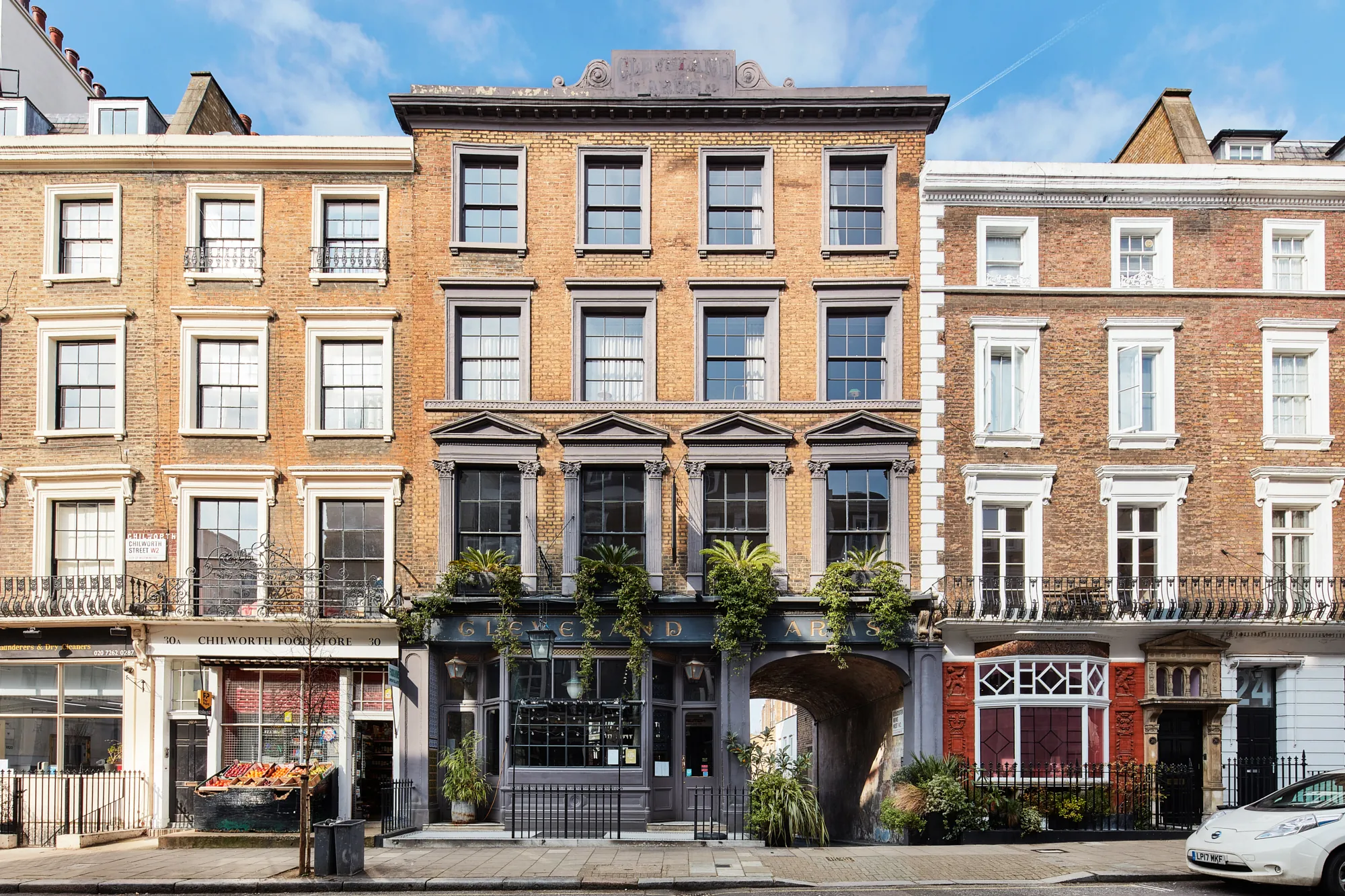
Camberwell's retail landscape defies the clone-town homogeneity afflicting many London high streets. Camberwell Church Street and Denmark Hill together form the commercial heart, where butchers who've served the area for decades stand alongside Nigerian fabric shops, Polish delicatessens and Sri Lankan grocers. The weekly Farmer's Market at the Green brings artisan producers every Saturday, whilst Butterfly Walk—a modest covered arcade—houses useful everyday retailers.
Dining options reflect the area's demographic diversity. You'll find excellent West African cuisine at long-established restaurants, authentic Vietnamese pho at family-run spots, and increasingly sophisticated coffee and brunch venues appealing to the area's growing creative class. Traditional pubs like The Hermit's Cave retain their local character, whilst newer openings add contemporary appeal without erasing what came before.
Green space comes courtesy of Burgess Park to the north, a substantial 140-acre park that's undergone significant regeneration. Its lake, sports facilities and community gardens provide genuine recreational amenity. Closer to Camberwell Green, Myatt's Fields Park offers Victorian-era charm with its original layout largely intact. For families, these parks compensate somewhat for the area's urban density.
Cultural life extends beyond the College of Arts. The South London Gallery on Peckham Road has delivered world-class contemporary art exhibitions since 1891, admission free. Smaller galleries and artist-run spaces appear and evolve with the creative community's shifting dynamics. This isn't culture as tourist attraction—it's culture as lived experience, woven into the neighbourhood's daily rhythm.
Schools and Family Considerations
Families researching Camberwell will find a mixed educational landscape. Several primary schools serve the area, with Lyndhurst Primary and St George's Cathedral Catholic Primary among those achieving strong Ofsted ratings. Secondary provision is more complex, with many families looking beyond immediate catchments to schools in neighbouring Dulwich, Peckham or Bermondsey. The proximity to excellent independent schools in Dulwich adds another dimension for families with the means and inclination.
The presence of King's College Hospital on Denmark Hill brings both advantages and considerations. As one of London's major teaching hospitals and a Major Trauma Centre, it provides reassurance for families and contributes to local employment. The associated medical campus and research facilities create a professional ecosystem that supports the local economy, though traffic and parking around the hospital can prove challenging.
Camberwell's family appeal rests not on pristine streetscapes or chocolate-box perfection, but on space, value and community. The ability to secure a three-bedroom house with a garden for significantly less than in neighbouring Dulwich Village attracts families willing to embrace urban grit alongside genuine diversity. Our <a href="/estate-agents/camberwell">Camberwell estate agents</a> regularly work with families making precisely this calculation.
Community resources include several children's centres, libraries with active programming, and youth services. The area has retained the sort of intergenerational mixing that's disappeared from more gentrified neighbourhoods—elderly residents who've lived here for decades alongside young families just arriving, all sharing the same streets and spaces.
Investment Perspective and Future Outlook
From an investment standpoint, this Camberwell guide would be incomplete without addressing the area's trajectory. Camberwell has been "on the verge" of transformation for two decades, yet has resisted the wholesale gentrification that swept through Peckham, Brixton and other nearby neighbourhoods. This slower evolution has benefits: property remains more accessible, and the area's authentic character hasn't been sanitised beyond recognition.
Several factors suggest continued appreciation potential. The ongoing regeneration of Old Kent Road, immediately to the north, will bring thousands of new homes and significant infrastructure investment. Camberwell sits perfectly positioned to benefit from this development without bearing its immediate disruption. The consistently strong rental demand, driven by the College of Arts, King's College Hospital, and proximity to central London, provides downside protection even during broader market corrections.
Developers have taken notice, with several mansion block conversions and new-build schemes delivering contemporary apartments. These schemes tend toward the mid-market rather than luxury positioning, reflecting realistic assessments of what the area can support. For landlords, the combination of professional tenants, students and hospital staff creates diverse demand across property types. Visit our <a href="/let-your-property/camberwell">Camberwell lettings service</a> to explore rental management options.
The long-term case for Camberwell rests on fundamentals that transcend market cycles: location (barely three miles from London Bridge), transport connectivity (even without the Tube), institutional anchors (the College and Hospital), and relative affordability. Areas with these characteristics have historically delivered solid returns to patient investors. Whether you're buying to live or to let, Camberwell property merits serious consideration as part of a London portfolio.
Talk to Seymont
What's your home worth?
A considered view on price, timing and how to bring your London home to market — a personal reply within 24 hours.
Your property
Step 1 of 2About the author
Nina CastellanoInvestment Property Advisor
Nina advises landlords and investors on rental yields, tenant demand and portfolio structure across Greater London, after running lettings and management at Bellhouse Property Partners. She has overseen single units and multi-property portfolios, and works through compliance, void periods and running costs before a purchase is agreed. Her articles deal with the numbers behind a buy-to-let rather than the headline gross yield.
Lettings and portfolio management · 9 years in London rentals
- Buy-to-let
- Rental yields
- Portfolio strategy
- Landlord compliance
Frequently asked
- Is Camberwell a good area to live in London?
- Camberwell offers excellent value for those seeking authentic South London living with strong transport links to central London. The area combines cultural vibrancy, genuine diversity and relative affordability compared to neighbouring areas. Whilst it lacks the polish of Dulwich or Clapham, many residents appreciate its unpretentious character, independent shops, artistic heritage and community feel. The quality of life depends on your priorities—families value the space and value, whilst young professionals enjoy the creative atmosphere and connectivity.
- What is the average house price in Camberwell?
- According to HM Land Registry data, the median property price in Camberwell stands at £462,500 across all types. Flats, which dominate the market, have a median price of £429,000, whilst terraced houses achieve a median of £873,000. Semi-detached properties recorded a median of £776,000, though these sales are less common. Prices vary significantly depending on property condition, location within Camberwell, and proximity to transport links.
- How much does it cost to rent in Camberwell?
- Rental costs in Camberwell vary by property size and condition. ONS data shows studio apartments range from £725 to £1,125 per calendar month, one-bedroom properties from £950 to £1,500, and two-bedroom flats from £1,300 to £2,025. Three-bedroom homes typically cost £1,750 to £2,725 monthly, whilst four-bedroom properties range from £2,325 to £3,625. These figures represent competitive value compared to more gentrified neighbouring areas whilst maintaining excellent access to central London.
- Does Camberwell have a Tube station?
- Camberwell does not currently have an Underground station, which historically kept property prices more affordable than comparable areas. However, Denmark Hill station provides Thameslink rail services with frequent trains to London Bridge (6 minutes), Blackfriars, St Pancras and beyond. The area is also exceptionally well-served by buses, with over a dozen routes connecting to Victoria, Waterloo, King's Cross and other major hubs. A proposed Bakerloo Line extension may include a Camberwell station, though this remains unfunded and without a confirmed timeline.
- What is Camberwell known for?
- Camberwell is best known for its artistic heritage, centred on the renowned Camberwell College of Arts, which has shaped the area's creative character since 1898. The neighbourhood is also recognised for its genuine diversity, independent retail along Camberwell Church Street, the historic Camberwell Green, and the presence of King's College Hospital. Culturally, the South London Gallery and numerous artist studios contribute to the area's reputation as an authentic, unpretentious creative quarter that values substance over gentrified polish.