Journal
Bermondsey Area Guide
Written by Amara Bennett · Property Market Analyst
Published 22 December 2025 · Updated 18 August 2026 · 4 min read
The short answer
Bermondsey has transformed from its industrial past into one of South London's most sought-after neighbourhoods, blending historic cobbled streets with contemporary riverside living. Our Bermondsey area guide explores why this SE1 and SE16 postcode area continues to captivate buyers and renters alike, from its thriving food scene to excellent transport links and distinctive architectural character.
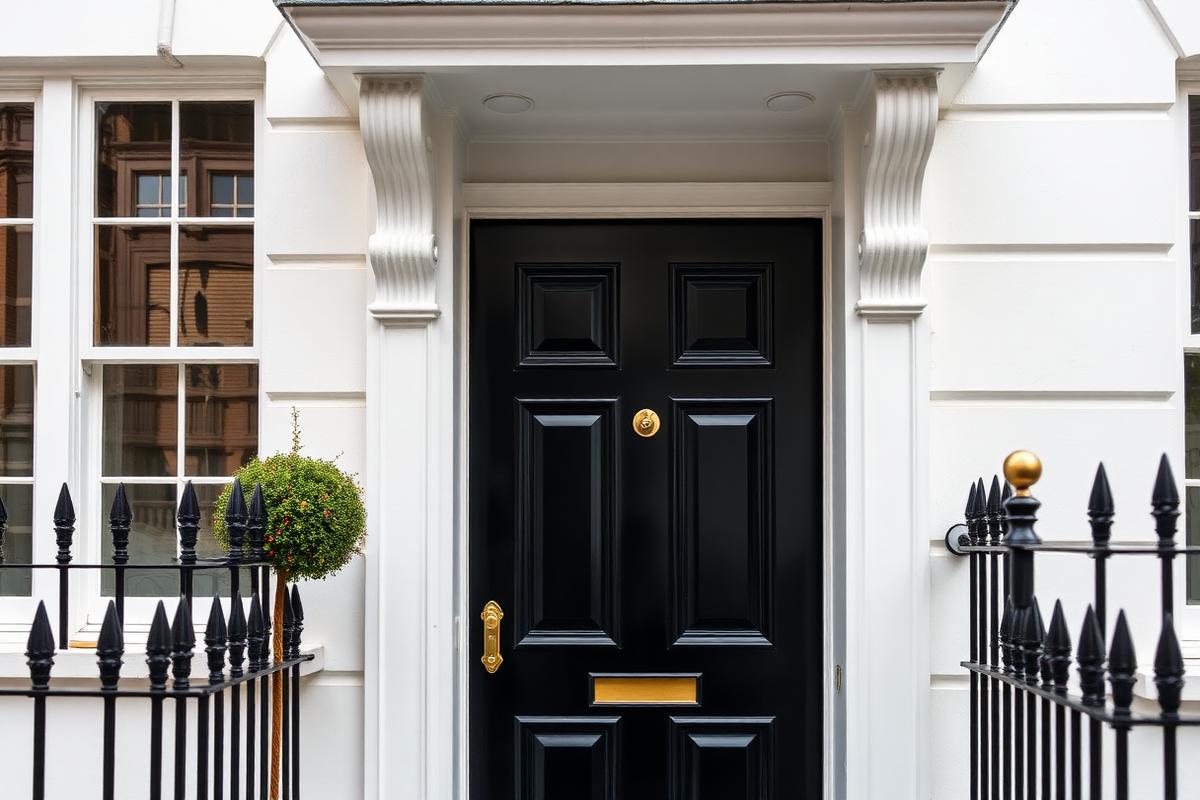
Bermondsey has transformed from its industrial past into one of South London's most sought-after neighbourhoods, blending historic cobbled streets with contemporary riverside living. Our Bermondsey area guide explores why this SE1 and SE16 postcode area continues to captivate buyers and renters alike, from its thriving food scene to excellent transport links and distinctive architectural character. Whether you're considering investing in Bermondsey property or simply want to understand what makes this corner of Southwark special, we've gathered the insights our team uses every day working across these distinctive streets.
The Bermondsey Property Market
According to HM Land Registry data, Bermondsey recorded 687 property sales with a median price of £450,000, reflecting the area's position as an accessible entry point to Zone 1 and 2 living. Flats dominate the market, accounting for 555 transactions with a median price of £410,500, whilst terraced homes commanded a median of £720,000 across 95 sales.
For those exploring [Bermondsey property for sale](/property-for-sale/bermondsey), the range is considerable: flats sold from £100,000 to £1,200,000, whilst terraced properties ranged from £340,000 to £1,765,000. Semi-detached homes, though rarer with just 13 sales, achieved a median of £730,000. This diversity means Bermondsey accommodates everyone from first-time buyers to established families seeking characterful homes near the river.
Rental demand remains robust across the area. ONS data shows studios available from £700 to £1,100 per calendar month, one-bedroom properties from £925 to £1,450, and two-bedroom homes from £1,275 to £1,975. Larger family homes command £1,700 to £2,650 for three bedrooms, rising to £2,275 to £3,525 for four-bedroom properties. Our [estate agents in Bermondsey](/estate-agents/bermondsey) observe particularly strong interest from professionals working in Canary Wharf and the City, drawn by the sub-15-minute commute.
Location and Transport Connections
Bermondsey's connectivity defines much of its appeal. Bermondsey station on the Jubilee line places Canada Wharf just three minutes away, London Bridge in two, and Westminster within nine minutes. South Bermondsey station offers Thameslink services into the City and beyond, whilst multiple bus routes serve Tower Bridge Road and Jamaica Road, connecting to both central and south London destinations.
The area's walkability is equally compelling. Tower Bridge lies within comfortable walking distance, as does Borough Market, whilst the Thames Path offers uninterrupted riverside access eastward to Rotherhithe and Canary Wharf, or westward toward London Bridge and the South Bank. For those who cycle, dedicated routes and Santander bike stations make two-wheeled commuting straightforward.
This transport infrastructure partly explains the strong search interest in "south bermondsey" and "london bermondsey", with potential residents seeking neighbourhoods that balance proximity to employment hubs with a distinct local identity. The area delivers both, remaining close enough to central London's opportunities whilst maintaining its own rhythm.
The Bermondsey Street and Abbey Quarter
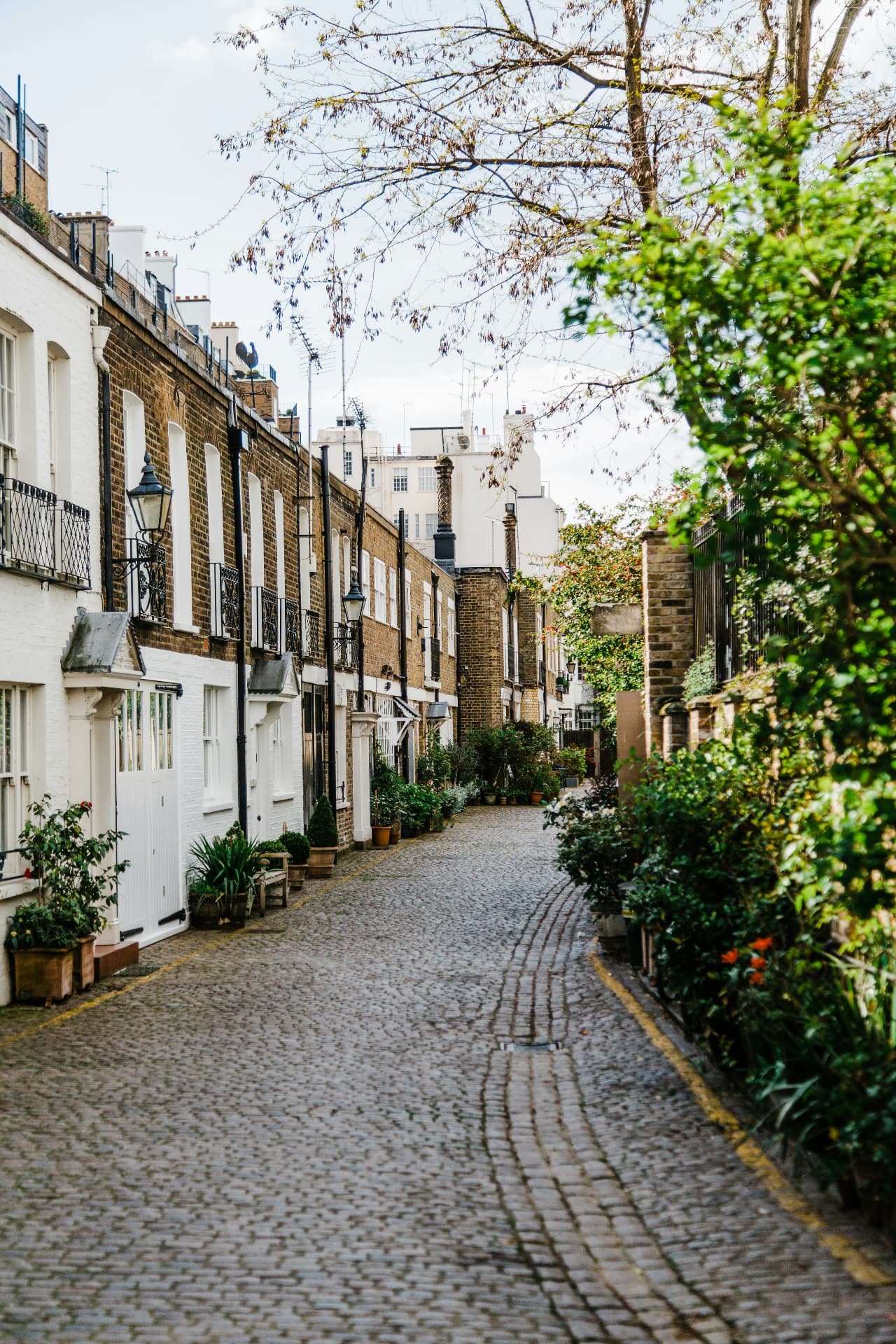
Bermondsey Street itself anchors the neighbourhood's social scene, its cobbles and railway arches now home to independent restaurants, artisan coffee roasters, and weekend antiques markets. The White Cube gallery brings contemporary art to former industrial spaces, whilst the Fashion and Textile Museum celebrates design heritage in one of London's most distinctive pink buildings.
Shad Thames, with its dramatic overhead ironwork bridges, exemplifies how Bermondsey has reimagined its warehouse legacy. Butler's Wharf now houses riverside dining, whilst converted spice and tea warehouses offer generous loft apartments with Thames views. These Bermondsey streets retain their Victorian bones whilst serving entirely modern purposes, creating an aesthetic that feels authentically London rather than generically redeveloped.
Bermondsey Square hosts its celebrated antiques market each Friday, transforming into a food market on Saturdays. This weekly ritual draws locals and visitors alike, reinforcing the neighbourhood's village-like qualities despite its Zone 1 proximity. The surrounding pubs—many in original Victorian buildings—balance heritage charm with contemporary food offerings.
Talk to Seymont
What's your home worth?
A considered view on price, timing and how to bring your London home to market — a personal reply within 24 hours.
Your property
Step 1 of 2Schools, Green Space and Family Life
Families considering Bermondsey find several well-regarded primary schools, including Boutcher C of E Primary, St Joseph's Catholic Primary, and Riverside Primary. Secondary options include Charles Dickens Primary School and the City of London Academy, whilst neighbouring Southwark offers additional choices within realistic commuting distance.
Green space requires more intention in Bermondsey than in some London neighbourhoods, though Southwark Park—a short walk into neighbouring Rotherhithe—provides 63 acres of formal gardens, a lake, and sports facilities. Tanner Street Park and Leathermarket Gardens offer smaller local options, whilst the Thames Path itself functions as a linear park for walking and cycling.
For those [looking at house prices in Bermondsey](/house-prices/bermondsey), the family appeal rests less on garden squares than on excellent transport, cultural richness, and the ability to walk to world-class museums, theatres, and restaurants within 20 minutes. It suits families who value urban vitality over suburban space, where Saturday might mean Borough Market rather than garden centres.
Investment Considerations
Bermondsey's evolution from industrial fringe to established residential neighbourhood makes it worth examining for property investors. The consistent rental demand reflects its employment accessibility, particularly for Canary Wharf and City workers, whilst ongoing riverside developments promise continued area improvement.
Those purchasing a second property should factor in current stamp duty implications, as second home and buy-to-let purchases attract an additional 3% stamp duty surcharge across all price bands. Whether [renting a house](/let-your-property/bermondsey) or apartment, investors should consider Bermondsey's strong transport links and relatively attractive price point compared to neighbouring London Bridge or Tower Bridge.
The market data from HM Land Registry shows healthy transaction volumes, suggesting liquidity for those eventually looking to sell. The range of property types—from riverside apartments to Victorian terraces—means portfolios can diversify within the single postcode area, appealing to different tenant demographics from young professionals to established families.
Talk to Seymont
What's your home worth?
A considered view on price, timing and how to bring your London home to market — a personal reply within 24 hours.
Your property
Step 1 of 2About the author
Amara BennettProperty Market Analyst
Amara spent seven years as a market analyst at Kestrel Lane Research, a small London property consultancy, before joining our editorial desk. She reads sold-price and rental data street by street to explain how individual London postcode districts actually behave, and reviews every price figure we publish. Her focus is separating headline national averages from what a specific address is worth today.
MSc Real Estate Economics · Seven years in property market research
- Valuations
- Local market data
- Sold prices
- Pricing strategy
Frequently asked
- Is Bermondsey a good area to live in London?
- Bermondsey offers an excellent balance of central London connectivity with a distinct neighbourhood character. With Zone 1 tube access, the Jubilee line reaches Canary Wharf in three minutes and Westminster in nine, whilst Bermondsey Street's independent restaurants, galleries, and markets provide strong local amenities. The area suits professionals and families who value urban vitality, heritage architecture, and riverside access over large green spaces.
- What is the difference between Bermondsey and South Bermondsey?
- Bermondsey generally refers to the area around Bermondsey Street, Tower Bridge Road, and the riverside Shad Thames quarter, served by Bermondsey tube station on the Jubilee line. South Bermondsey lies further inland toward the Old Kent Road, served by South Bermondsey station with Thameslink services. South Bermondsey typically offers more affordable property options whilst maintaining good transport links into central London.
- How much does it cost to rent in Bermondsey?
- According to ONS data, Bermondsey rental costs range from £700-£1,100 per month for studios, £925-£1,450 for one-bedroom properties, and £1,275-£1,975 for two-bedroom homes. Three-bedroom properties typically cost £1,700-£2,650 monthly, whilst four-bedroom homes range from £2,275-£3,525. Prices reflect Bermondsey's Zone 1/2 location and excellent transport connections to the City and Canary Wharf.
- What are property prices like in Bermondsey?
- HM Land Registry data shows Bermondsey's median property price at £450,000 across 687 sales. Flats, which dominate the market, have a median price of £410,500, whilst terraced homes achieve a median of £720,000. The market accommodates various budgets, with flats selling from £100,000 to £1,200,000 and terraced properties from £340,000 to £1,765,000, offering options from first-time buyers to family homes.
- What is Bermondsey famous for?
- Bermondsey is renowned for its industrial heritage transformed into contemporary living, particularly the dramatic Shad Thames warehouse conversions with their overhead iron bridges. Bermondsey Street's independent food scene, the Friday antiques market in Bermondsey Square, and cultural venues like the White Cube gallery and Fashion and Textile Museum define its modern character. The area also claims historical significance through Bermondsey Abbey and its historic brewing and leather trades.